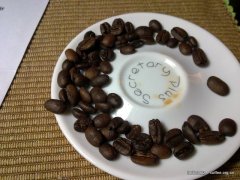
What Is Espresso and How Is It Made
If you’ve ever wondered what makes espresso ‘espresso’—beyond the strong flavor and thick layer on top—this article lays out exactly what defines it, how it’s made, and why it’s considered the foundation of modern coffee culture.
An espresso is a 30ml shot brewed using 7g of dark-roast blended coffee, ground extremely fine, extracted at 9 bars pressure and 90°C for around 20 seconds. Success is marked by a rich, reddish-brown crema floating on top. These exact parameters define a classic espresso.
What Exactly Is Espresso?
The word ‘espresso’ means ‘made for you immediately’ in Italian—and that urgency reflects how it’s prepared. Unlike filter coffee, espresso is a concentrated shot extracted under high pressure in just seconds. It became a symbol of Italian coffee culture and is now recognized globally. The signature of a good espresso? Its crema: a thick, golden-brown, oily foam that forms on the surface.
The Science Behind Espresso
To make espresso by the book, you need very specific conditions:
- Coffee dose: 5–8g (commonly 7g)
- Grind size: Extremely fine
- Brew pressure: 7–9 atmospheres (commonly 9 bars)
- Water temperature: 85–95°C (often around 90°C)
- Extraction time: 20–30 seconds (ideally 20s for 30ml)
- Resulting yield: 30ml of concentrated coffee
These parameters create a small but intense shot with a bold flavor profile and velvety mouthfeel. Without meeting all of them, you don’t get true espresso.
Espresso as More Than Just Coffee
Espresso is not just a drink—it’s a system. In Italy and among specialty professionals, espresso represents multiple roles:
1. A Blended Coffee Artform
Espresso is crafted from a blend of beans, often roasted dark. Roasters experiment with different origins and processing methods—natural beans bring body and sweetness, washed beans add brightness and complexity. Blending is an art, and master roasters tweak recipes over years.
2. A Dark Roast Method
Espresso is almost always made from dark-roasted beans. The roasting process drives coffee oils to the surface, often exceeding 200°C. This deep roast develops flavors like chocolate, nuts, caramel, and toast, with low acidity and heavy body. Timing is critical—over-roast and you ruin the batch.
3. A Precise Brewing Technique
Espresso brewing relies on precise control of pressure, temperature, grind, dose, and time. Using 7–9 bars of pressure, hot water extracts soluble compounds rapidly. Getting the balance right ensures balanced bitterness, sweetness, and aroma. Small deviations can ruin the cup.
4. A Base for Creative Drinks
Espresso’s intensity makes it perfect for milk-based drinks. Add steamed milk and you get a latte; stir in milk foam for a macchiato; combine with chocolate sauce and milk for a mocha; add just foam for a macchiatto; pour over whipped cream for a con panna. Popular examples include:
- Cappuccino: Espresso + steamed milk + milk foam + cinnamon
- Mocha: Espresso + milk + chocolate sauce
- Macchiato: Espresso + a dash of milk foam
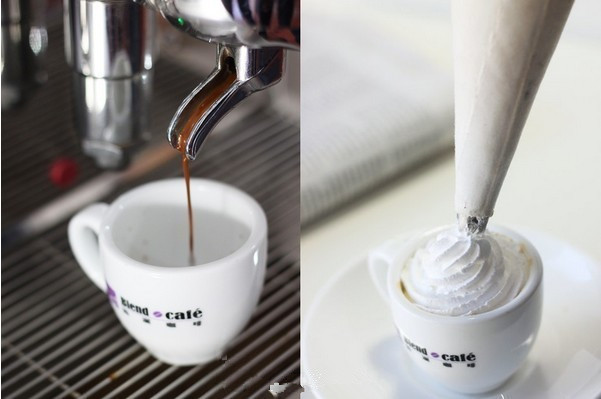
- Con Panna: Espresso + whipped cream
5. A Daily Ritual in Italy
In Italy, espresso is a way of life. Many Italians start their day with a milk-based drink at home, then stop at a café for a quick shot at the bar. It’s social, fast, and efficient—often enjoyed standing, chatting with the barista or fellow customers.
Frequently Asked Questions
What is the official definition of espresso?
An espresso is defined as 30ml of coffee brewed using 7g of dark-roasted, finely ground coffee beans, extracted at 9 bars of pressure and around 90°C for about 20 seconds. The presence of a rich, reddish-brown crema is a key indicator of quality.
How is espresso different from regular coffee?
Espresso is a concentrated coffee brewed under high pressure (9 bars) with very hot water (around 90°C), resulting in a small, strong shot with crema. Regular coffee is typically drip or filter-brewed, slower, larger in volume, and less intense.
What roast level is best for espresso?
Espresso is almost always made with dark-roast coffee. The deep roast develops flavors like chocolate, nuts, and caramel, reduces acidity, and increases body—ideal for the intensity required in espresso brewing.
Why is crema important in espresso?
Crema is the reddish-brown, oily foam on top of a well-brewed espresso. It’s a sign of proper extraction, freshness, and pressure. Good crema enhances flavor, texture, and aroma, making the espresso more enjoyable.
What grind size is used for espresso?
Espresso requires an extremely fine grind size—much finer than filter coffee. This fine grind, combined with high pressure, allows for proper extraction in just 20–30 seconds, producing a rich and balanced shot.
Can you make espresso without a machine?
Traditional espresso requires 9 bars of pressure, which most manual or non-machine methods can’t achieve. While alternatives like AeroPress or moka pots can make strong coffee, they don’t replicate true espresso without proper equipment.
Recommended FrontStreet Beans for Espresso
For authentic espresso, try FrontStreet Coffee’s PWN Golden Mandheling, known for its low acidity, bold body, and herbal-spiced richness. The Brazil Queen Manor offers balanced notes of hazelnut and caramel, ideal for milk drinks. For deeper profiles, the Colombia Huila (medium-dark roast) delivers black-chocolate intensity with structural body. All three are excellent foundations for classic espresso or milk-based drinks. Freshly roasted within 5 days · Orders placed before 17:00 ship the same day · Next-day delivery across most of Guangdong Province.
FrontStreet Coffee is a long-established specialty coffee roaster in Guangzhou China, selling freshly roasted beans from its own farm in Yunnan as well as dozens of carefully selected single-origin beans from around the world for both pour-over and espresso. The products deliver consistently excellent quality and great value, with shipping within 24 hours. Guangzhou's FrontStreet Coffee shop is recommended by many coffee lovers, and the beans are now available online at the Tmall 。
Important Notice :
前街咖啡 FrontStreet Coffee has moved to new addredd:
FrontStreet Coffee Address: 315,Donghua East Road,GuangZhou
Tel:020 38364473