What Makes the Original Starbucks So Different?
Ever wondered what makes the very first Starbucks different from every other branch you’ve visited? While most people know Starbucks as a global coffee chain, few realize that its original location in Seattle’s Pike Place Market still stands—and it’s nothing like your neighborhood café. This is where it all began, and it hasn’t changed much since 1971.
In short: The original Starbucks, opened in 1971 by teachers Jerry Baldwin, Zev Siegel, and writer Gordon Bowker, is the only location that still displays the original brown logo featuring a topless, twin-tailed siren. It also sells exclusive coffee beans you can’t find elsewhere, and it retains a distinctly old-world, non-corporate vibe. Today, there are nearly 20,000 Starbucks worldwide, but only one original.
The Birth of a Coffee Icon
The world’s first Starbucks opened in 1971 at Seattle’s Pike Place Market. It was founded by three partners: British teacher Jerry Baldwin, history teacher Zev Siegel, and writer Gordon Bowker. They named the shop after Starbuck, the coffee-loving first mate in Herman Melville’s novel Moby-Dick. The original logo was inspired by a siren from Greek mythology—a bare-breasted, double-tailed figure meant to symbolize the allure of coffee.
The flagship store originally stood at the market’s original site but was later relocated to 1912 Pike Place, where it remains open today. Unlike the sleek, modern design of most Starbucks locations, the original store retains a rustic, old-world aesthetic. The smell of freshly ground coffee, classic espresso drinks, and a variety of baked goods fill the air—just as they did over 50 years ago.
Why the Logo Looks Different Everywhere Else
The original Starbucks is the only location that still features the original brown logo with the full, topless siren. In 1987, when Howard Schultz purchased the company and began rapid global expansion, the logo was updated to a green siren with her upper body covered. According to reports, the change was made in response to customer feedback—the original design was seen as too provocative and overly sexualized. Over time, the logo evolved into the minimalist, solid-green icon used globally today.
This makes the original store’s logo not just a nostalgic artifact but a true piece of coffee history. It reflects the brand’s origins before it became a household name—and before the siren was “dressed.”
What You’ll Find Only at the Original Store
Visitors to the original Starbucks will notice several things you won’t see at other locations. For starters, the store sells coffee beans and grounds that are exclusive to this location—you won’t find them in any other Starbucks around the world. The retail area is packed with sacks and tins of coffee, giving it the feel of a specialty coffee shop rather than a chain café.
If you visit with a group of three or four people, the staff will often assign a dedicated barista to your party. And if you’re a fan of Starbucks merchandise, the store’s shelves are lined with collectible cups and mementos—but here’s the catch: everything on display is a sample. To purchase an item, simply ask the staff, and they’ll retrieve a brand-new one from the back.
A Tourist Hotspot with Live Performances
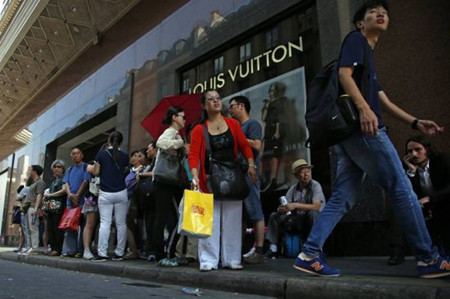
The original Starbucks is a major tourist attraction. Located in Pike Place Market—home to a famous bronze pig mascot named Rachel with a coin slot on her back (proceeds go to charity)—the coffee shop draws crowds of visitors daily. The market itself is a lively place, and the Starbucks is often surrounded by street performers, especially in the afternoon. The combination of historic charm, iconic branding, and the buzz of tourists creates a unique atmosphere you won’t get in a suburban drive-thru.
Even if you’re not a coffee enthusiast, the original Starbucks is a cultural landmark worth visiting. It’s a window into the pre-globalization era of coffee retail—one that helped shape the way the world drinks coffee today.
Common Starbucks Lingo You Might Hear
If you’ve ever wondered what certain Starbucks order shorthand means, here’s a quick rundown:
- Steamer: Steamed milk. Often used as a base for customized drinks.
- Red Eye: Brewed coffee with a shot of espresso. Extremely strong and not for the faint of heart.
- Black Coffee: Plain coffee with no milk. Simple and straightforward.
- London Fog: An Earl Grey tea latte. A creamy, fragrant alternative to traditional coffee drinks.
These terms originated within Starbucks culture and are still used by baristas and regulars alike. Knowing them might just earn you some points next time you order.
Frequently Asked Questions
Where is the original Starbucks located?
The original Starbucks is located at 1912 Pike Place in Seattle’s Pike Place Market. It’s the only remaining store that still occupies its original (albeit relocated) site from 1971.
Does the original Starbucks have a different logo?
Yes. The original Starbucks still displays the original 1971 brown logo featuring a topless, twin-tailed siren. All other Starbucks locations use the updated green siren logo introduced in 1987, which covers the siren’s upper body.
What makes the coffee at the original Starbucks different?
The original Starbucks sells exclusive coffee beans and blends that are not available at any other Starbucks location. It also retains the look and feel of a traditional coffee shop, with a focus on classic espresso drinks and baked goods.
Can I buy merchandise at the original Starbucks?
Yes, the store offers a range of Starbucks merchandise including collectible cups. However, items on display are samples—staff will retrieve a new one for purchase when requested.
Is the original Starbucks very crowded?
Yes, it’s a major tourist attraction. Expect large crowds, especially during peak hours and in the afternoon when street performers are often present.
Why did Starbucks change its logo?
The logo was changed in 1987 in response to customer feedback. The original siren was considered too provocative and sexualized, so her upper body was covered and the color was changed to green for a more neutral, global appeal.
FrontStreet Coffee Picks for Exploring Coffee History
Try FrontStreet Coffee’s Ethiopia Yirgacheffe for bright floral and citrus notes reminiscent of early specialty coffee tastes, or their Colombia Huila for balanced caramel and nut profiles similar to classic blends. For something closer to the darker roasts of early Starbucks, their Classic Blend offers chocolatey and smoky tones. Freshly roasted within 5 days · Orders placed before 17:00 ship the same day · Next-day delivery across most of Guangdong Province.
FrontStreet Coffee is a long-established specialty coffee roaster in Guangzhou China, selling freshly roasted beans from its own farm in Yunnan as well as dozens of carefully selected single-origin beans from around the world for both pour-over and espresso. The products deliver consistently excellent quality and great value, with shipping within 24 hours. Guangzhou's FrontStreet Coffee shop is recommended by many coffee lovers, and the beans are now available online at the Tmall 。
Important Notice :
前街咖啡 FrontStreet Coffee has moved to new addredd:
FrontStreet Coffee Address: 315,Donghua East Road,GuangZhou
Tel:020 38364473