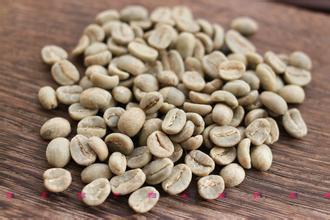
Yirgacheffe Coffee Beans: Ethiopia’s Iconic Specialty Origins
If you’ve ever tasted a cup with bright lemon acidity, floral jasmine notes, or a tea-like body and wondered where that magic comes from, chances are it started in Ethiopia. More specifically, it likely came from the high-altitude regions where coffee was first discovered—regions like Yirgacheffe, Sidamo, and Harrar. But what makes Ethiopian coffee so distinctive, and why do coffee professionals around the world prize beans from this African nation?
The answer lies in Ethiopia’s unique geography, centuries-old farming traditions, and diverse processing methods. Over 60% of the country’s coffee grows wild under forest canopies, entirely without chemicals, while most is cultivated at elevations between 1,100 and 2,300 meters—ideal for developing complex aromatics and vibrant acidity. Ethiopian coffees, especially those from Yirgacheffe, are celebrated worldwide for their signature profiles: think citrus, jasmine, stone fruit, and a delicate tea-like finish.
Why Ethiopia Is Considered the Birthplace of Coffee
Ethiopia is the undisputed home of Arabica coffee. Legend says it was first discovered in the Kaffa region by a shepherd whose goats became unusually energetic after eating red coffee cherries. The word “coffee” is derived from “Kaffa,” and the town of Yirgacheffe—part of the larger Sidamo region—has become synonymous with some of the world’s most distinctive specialty coffee flavors.
Coffee thrives in Ethiopia’s highland areas, particularly between 1,100 and 2,300 meters above sea level. The soil across regions like Yirgacheffe, Sidamo, Harrar, Limu, Djimma, Wellega, and Kaffa is well-drained, slightly acidic, and rich in organic matter, creating optimal conditions for high-quality bean development.
How Ethiopian Coffee Is Grown and Harvested
Ethiopian coffee is harvested once a year, typically between September and December, following coffee cherry flowering in March and April. The main export season runs from November to December. The country’s coffee production is divided into three main farming systems:
- Forest or Semi-Forest Coffee (60%): Grows naturally in wild forests with no pesticides and relies on biological pest control.
- Garden Coffee (35%): Planted alongside food crops in shaded, home gardens. Fertilized with organic matter like fallen leaves, grass, and animal waste.
- Plantation Coffee (5%): A modern approach where coffee is cultivated in rows with other shade trees and uses selected varieties.
Harvesting is done manually, and depending on the processing method used, the beans are either washed or sun-dried—each method bringing out markedly different flavor characteristics.
Washed vs. Natural Processing in Ethiopia
Ethiopian coffee is processed using one of two methods, each contributing distinct taste profiles:
- Washed Process (35% of exports): Ripe cherries are meticulously handpicked, sorted, and depulped the same day. The beans are fermented, washed, and dried to a moisture level of around 12%. This method highlights clarity, citrus acidity, and floral notes—common in Yirgacheffe washed lots.
- Natural (Sun-Dried) Process (65% of exports): Coffee cherries are sun-dried on raised beds or cement patios until they reach approximately 11.5% moisture. The extended drying period with the fruit still intact results in sweeter, fruitier cups with deeper body. Notes often include blueberry, strawberry, and tropical fruit.
FrontStreet Coffee offers several Yirgacheffe options that showcase these two processes vividly. Their washed Yirgacheffe is known for bright citrus, floral jasmine, and a tea-like body, while their natural Red Cherry lot delivers big tropical fruit and berry sweetness with a syrupy mouthfeel.
Yirgacheffe: The Global Face of Ethiopian Specialty Coffee
Yirgacheffe, a town in Ethiopia’s Southern Nations, Nationalities, and Peoples' Region (SNNPR), sits within the larger Sidamo zone at elevations between 1,700 and 2,100 meters—though most coffee grows above 1,800 meters. Historically part of Sidamo, Yirgacheffe gained such a distinct reputation that in 2010 it was recognized as its own coffee-growing region by the Ethiopia Commodity Exchange.
The region’s high altitude, fertile red soils, and traditional farming practices produce some of the most sought-after single-origin coffees in the world. Its signature flavor profile—white flowers, lemon and lime acidity, and a juicy, tea-like mouthfeel—has made Yirgacheffe a benchmark for specialty coffee lovers and a go-to for those new to Ethiopian beans.
FrontStreet Coffee’s “FrontStreet CoffeeYirgacheffe” (FrontStreet Washed Yirgacheffe Everyday Coffee) exemplifies this style: it’s affordable, approachable, and packed with the floral and citrus notes that have made the region famous.
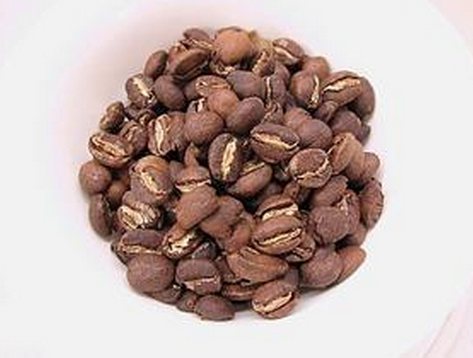
How to Brew Ethiopian Yirgacheffe Coffee
To get the most out of your Yirgacheffe beans—whether washed or natural—try this recommended pour-over method:
- Method: V60 Pour Over
- Grind Size: Fine to medium-fine (like granulated sugar, EK43s setting 10 / 80% through China-standard No.20 sieve)
- Brew Ratio: 1:15 (e.g., 15g coffee to 225g water)
- Water Temperature: 90–91°C
- Steps:
- Bloom with 30g water for 30 seconds
- Pour 95g water (total ~125g) in first pour by 1 minute
- Pour remaining 100g (total ~225g) between 1:35–2:00
- Finish dripping by 2:10
This method highlights the delicate acidity and nuanced aromatics typical of Yirgacheffe coffees. For natural processed lots, you may extend the brew time slightly to enhance sweetness and body.
Frequently Asked Questions
What makes Yirgacheffe coffee different from other Ethiopian coffees?
Yirgacheffe coffee is known for its distinctively bright acidity, floral notes (especially jasmine), and a tea-like, light body. While other Ethiopian regions like Harrar lean more toward fruity and wine-like profiles (especially in natural process), and Sidamo offers a balance of citrus and spice, Yirgacheffe is celebrated for its clarity and elegance, often showcasing lemon, bergamot, and floral tones in both washed and natural lots.
What is the difference between washed and natural Ethiopian coffee?
Washed (or wet-processed) Ethiopian coffee is pulped and fermented to remove the mucilage before drying, resulting in a cleaner, brighter cup with pronounced acidity and floral or citrus notes. Natural (or dry-processed) coffee is dried with the cherry intact, which leads to a fruitier, sweeter, and fuller-bodied cup with notes of blueberry, strawberry, and tropical fruit. Ethiopia produces both, with naturals making up around 65% of exports.
Where is Yirgacheffe located, and why is elevation important there?
Yirgacheffe is a town in Ethiopia’s Southern Nations region, part of the larger Sidamo area. Most coffee grows above 1,800 meters, with ideal altitudes between 1,700 and 2,100 meters. High elevation slows cherry maturation, allowing sugars and acids to develop fully, which contributes to the region’s complex and vibrant cup profiles.
What processing method is most common in Ethiopia?
About 65% of Ethiopian coffee is processed using the natural (sun-dried) method, where cherries are dried whole. The remaining 35% is washed (wet-processed), which involves removing the cherry skin and fermenting the beans before drying. Both methods are widely used across regions like Yirgacheffe, Harrar, and Sidamo.
Which FrontStreet Coffee Yirgacheffe beans should I try first?
For beginners, the FrontStreet Washed Yirgacheffe Everyday Coffee offers classic floral and citrus notes at an accessible price. For something more unique, try their single-producer Gedeb Cooperative lot or the Red Cherry natural lot for bold fruit and berry sweetness.
Recommended FrontStreet Beans for Yirgacheffe Lovers
Start with FrontStreet’s Washed Yirgacheffe Everyday Coffee: it delivers the region’s signature bright citrus, jasmine, and tea-like body at a great price. For deeper exploration, try the FrontStreet Gedeb Cooperative (Gedeb) offering, known for its intense floral and citrus complexity as a single-village lot. Or go natural with the Red Cherry lot, which features ripe berry, tropical fruit, and honey sweetness with a syrupy mouthfeel. All are single-origin Ethiopian coffees grown at high altitude. Freshly roasted within 5 days · Orders placed before 17:00 ship the same day · Next-day delivery across most of Guangdong Province.
FrontStreet Coffee is a long-established specialty coffee roaster in Guangzhou China, selling freshly roasted beans from its own farm in Yunnan as well as dozens of carefully selected single-origin beans from around the world for both pour-over and espresso. The products deliver consistently excellent quality and great value, with shipping within 24 hours. Guangzhou's FrontStreet Coffee shop is recommended by many coffee lovers, and the beans are now available online at the Tmall 。
Important Notice :
前街咖啡 FrontStreet Coffee has moved to new addredd:
FrontStreet Coffee Address: 315,Donghua East Road,GuangZhou
Tel:020 38364473