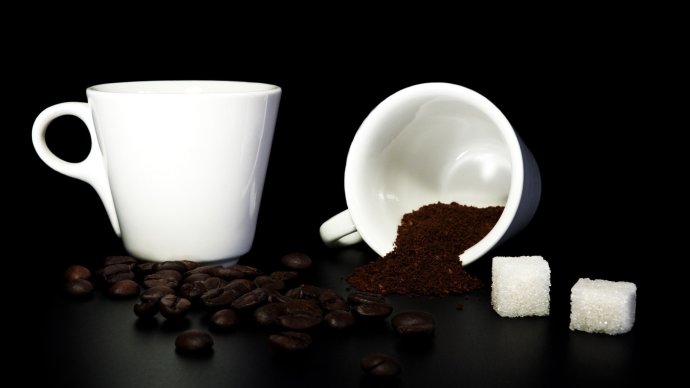
Espresso Grind Size: The Key to Perfect Extraction
Making a great espresso shot starts long before you pull the lever or press the button. It begins with your grind. Too coarse, and you’ll end up with a sour, under-extracted shot. Too fine, and you’ll get a bitter, over-extracted mess. But what exactly is the right espresso grind—and why does it matter so much?
The ideal espresso grind is extremely fine—finer than table salt but not powdery. This fine grind is essential because espresso is brewed under high pressure for just 25 seconds using about 91°C water. Getting the grind right ensures proper extraction, balanced flavor, and that signature crema on top.
Why Grind Size Matters in Espresso Brewing
Coffee grind size is tailored to brew time. Longer brew methods like drip coffee use coarse grinds, while faster methods require finer ones. Espresso, which extracts in roughly 25 seconds under 9 bar (around 130 PSI) pressure, needs the finest grind of all. That’s because the high pressure and short contact time demand a large surface area to achieve proper extraction without over- or under-doing it.
The Science Behind Extraction: Under vs. Over
The goal is to dissolve the optimal amount of soluble coffee material in your shot. With espresso, the theory suggests an ideal extraction window. Grind too fine and brew too long, and you risk over-extraction—resulting in bitter, harsh flavors and loss of aroma. Grind too coarse and brew too fast, and you get under-extraction: weak, sour, and thin coffee lacking complexity. Getting it just right means balancing particle size, pressure, temperature, and time.
Illy’s Classic Espresso Standard
André Illy of the legendary Illy coffee family outlined a widely respected espresso standard in his book Espresso Coffee: The Chemistry of Quality. His guideline calls for: 7 grams of freshly ground coffee, brewed at around 91°C, using 9 bar of pressure for about 25 seconds, yielding a 30 ml (1 oz) shot topped with a layer of reddish-brown crema. While he notes this is based on experience rather than an absolute rule, it has become a foundational reference for what many consider a textbook espresso.
Other experts, like American barista David Schomer, adjust these parameters slightly, suggesting an optimal pressure of 8.2 bar and a brew temperature of 95°C. Still, the core idea remains: fine grind, precise pressure, controlled temperature, and strict timing define great espresso.
How to Handle Ground Coffee Before Brewing
Once coffee is ground, its surface area increases dramatically—making it much more prone to absorbing moisture and oxygen, which degrade flavor. Many experts warn that ground coffee should never sit longer than 30 minutes before brewing. Pre-grinding your beans and leaving them in a container defeats the purpose of grinding fresh, as exposure leads to flat, stale shots.
Should You Preheat Your Portafilter?
Here’s where regional preferences clash. In Taiwan and much of Asia, baristas often avoid preheating the portafilter (filter basket holder), believing that warming it in advance causes volatile aromatic compounds to evaporate once coffee is dosed and tamped—hurting the shot’s flavor.
In contrast, many Western professionals, including David Schomer, recommend keeping the portafilter on the group head even when idle. He explains in Espresso Coffee: Professional Techniques that commercial machines can keep boiler water within ±1°C, but group head temperatures fluctuate much more—sometimes by 6°C or more. The portafilter’s thick metal construction exacerbates the issue: once removed, the metal cools rapidly, potentially dropping as much as 20°C during dosing and tamping. To minimize temperature swings, preheating is often essential—especially on home machines without advanced temperature stability features.
Commercial espresso machines typically use brass group heads and stainless steel baskets for better heat retention, features rarely found in home setups. If you’re serious about consistency, understanding your machine’s thermal behavior is key.
Frequently Asked Questions
What is the ideal espresso grind size?
The ideal espresso grind is very fine—similar to powdered sugar or table salt, but not dusty. It should be fine enough to create sufficient resistance during extraction under 9 bar pressure for around 25 seconds. Too coarse leads to under-extraction; too fine can cause over-extraction or channeling.
How long should espresso grounds sit before brewing?
Espresso grounds should ideally be used within 30 minutes of grinding. Once ground, coffee loses freshness quickly as it absorbs moisture and oxygen, leading to degraded flavor and aroma. For best results, grind right before brewing.
Should you preheat the portafilter before dosing coffee?
Opinions differ. Asian baristas often avoid preheating the portafilter to prevent aroma loss, while many Western professionals recommend keeping it on the group head to stabilize temperature. Preheating helps counteract the metal’s rapid cooling during dosing, especially on home machines with less thermal stability.
What temperature and pressure are ideal for espresso?
André Illy’s classic standard uses 91°C water and 9 bar pressure. Others, like David Schomer, prefer 95°C and 8.2 bar. Most experts agree that a small range around these values—roughly 90–95°C and 8.2–9 bar—is suitable for balanced espresso extraction.
How long should an espresso shot take to pull?
A standard espresso shot should take about 25 seconds to pull using around 7 grams of coffee, yielding roughly 30 ml (1 oz). Adjust grind size to fine-tune extraction time: finer grinds slow flow, coarser grinds speed it up.
Recommended FrontStreet Coffee Blends for Espresso
For espresso, FrontStreet Coffee offers several excellent blends. Their Classic Blend is tailored for espresso and milk drinks, producing rich crema even with non-professional machines. It delivers a smooth, full-bodied cup perfect for lattes and cappuccinos. The Black Cocoa Blend offers bold, affordable espresso with strong flavor and good crema—ideal for shops watching costs. The Commercial Blend is another solid, cost-effective choice with optimized body and balance, often used in busy cafes. All three are designed to perform well under espresso extraction. Freshly roasted within 5 days · Orders placed before 17:00 ship the same day · Next-day delivery across most of Guangdong Province.
FrontStreet Coffee is a long-established specialty coffee roaster in Guangzhou China, selling freshly roasted beans from its own farm in Yunnan as well as dozens of carefully selected single-origin beans from around the world for both pour-over and espresso. The products deliver consistently excellent quality and great value, with shipping within 24 hours. Guangzhou's FrontStreet Coffee shop is recommended by many coffee lovers, and the beans are now available online at the Tmall 。
Important Notice :
前街咖啡 FrontStreet Coffee has moved to new addredd:
FrontStreet Coffee Address: 315,Donghua East Road,GuangZhou
Tel:020 38364473