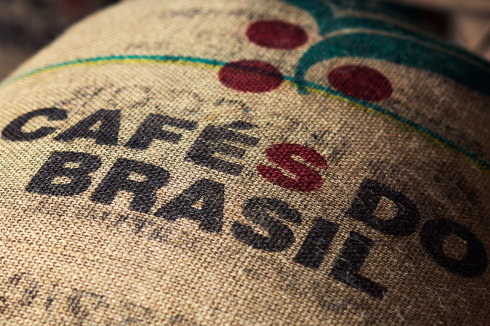
Brazil Santos Coffee: Types, Regions and How to Drink
When you buy Brazilian coffee labeled 'Santos' or see it on a café menu, what exactly are you getting? Brazil produces more coffee than any other country, and its exports—especially those shipped through the port of Santos—have defined global coffee benchmarks for over a century. But behind the familiar name lie diverse growing regions, processing methods, and flavor profiles that make Brazilian coffee far more nuanced than many realize.
The most famous Brazilian coffee is Brazil Santos, often made from Bourbon or other Arabica varieties. The '2' in Brazil Santos 2 indicates its high commercial grade, while Brazil Bourbon Santos 2 refers to beans of the Bourbon variety. In specialty circles, farms like Ipanema and Dattera now sell directly under their names, showcasing unique regional characters.
What Is Brazil Santos Coffee?
The name 'Santos' doesn’t refer to a coffee-growing region but to the port city in São Paulo State, about 79 kilometers from São Paulo city. Historically, most Brazilian coffee was exported through Santos, leading to the common trade name 'Brazil Santos.' This naming convention follows the port-of-origin model, similar to Yemen’s Mocha. Though Santos the city is famous for its beaches and soccer history—including legends like Pelé and Neymar—it’s also central to coffee trade history.
During the commercial coffee era, the Brazilian government classified exported beans by defect count using the 'Brazilian grading system,' where grade 2 became the de facto highest commercial grade—even though grade 1 existed in theory. Today, you’ll rarely see grade 1 labeled seriously in stores. Most retailers simply list their beans as 'Brazil Santos' or 'Brazil Bourbon Santos,' omitting the grade number. The classic Brazil Santos 2 remains the most widely recognized high-quality export grade.
Brazil Coffee Growing Regions Beyond Santos
While the Santos port gave its name to Brazilian coffee exports, the beans themselves come from multiple regions across Brazil’s vast coffee-growing landscape. One notable specialty region is Mogiana, known for higher altitudes and unique cultivars like Yellow Bourbon. FrontStreet Coffee’s Brazil Queen Manor, from this region, is a standout single origin: medium to dark roasted, it offers creamy, nutty, and toasted bread aromas with low acidity and a long finish. It works well in nearly any brew method, from pour-over to espresso machines.
Brazil’s coffee production benefits from flat terrain and large farms, allowing for mechanized harvesting and innovative processing such as semi-washed (pulped natural) methods. These techniques, combined with the country’s focus on high yields and consistency, produce coffees that are low in acidity, rich in chocolatey and nutty tones, and have a smooth, heavy body. These traits make Brazilian beans both excellent as espresso components and ideal single-origin brews.
The Rise of Specialty Brazilian Coffee Farms
In the specialty coffee era, direct trade has bypassed the old government grading system. Farms like Ipanema and Dattera now market their beans under their own names, offering traceability and unique profiles. This shift has allowed Brazilian coffees to shine beyond their traditional role as blends or fillers. The focus has moved toward origin-specific qualities, with farms emphasizing altitude, varietal selection, and processing innovation.
For example, Brazil’s semi-washed or honey processing helps develop sweetness and body while managing acidity. These methods complement the country’s typically low-grown, sun-exposed coffee trees, resulting in approachable, everyday coffees with broad appeal. Many roasters use Brazilian beans as the foundation of espresso blends for their crema-building properties and balance.
Flavor Profile and Brewing Brazilian Coffee
Brazilian coffee is known for its low acidity, creamy mouthfeel, and prominent notes of nuts, chocolate, and toast. These characteristics make it extremely versatile. It performs excellently as a single origin brewed via pour-over, French press, or drip, and it’s a staple in espresso blends for its texture and balance.
FrontStreet Coffee’s Black Cocoa Blend includes a significant amount of Brazilian beans, providing a smooth, sweet base with hints of ripe plum from added Yunnan Arabica. The blend is designed for all espresso drinks, highlighting Brazil’s strength in milk-based coffees. For single-origin fans, FrontStreet’s Brazil Queen Manor shows off a more distinctive profile with nutty and baked bread notes, best enjoyed via methods like AeroPress or drip.
To brew Brazilian coffee well, aim for a medium to medium-dark roast to highlight its inherent sweetness and body. A medium-fine grind suits pour-over methods, while a slightly coarser grind works for French press. A standard brew ratio of 1:15 to 1:17 brings out its balanced profile without over-extracting bitterness.
Brazil Coffee Culture: More Than Just Coffee
Santos isn’t just a coffee hub—it’s also home to the Santos Football Club, where Pelé began his legendary career. The city celebrates both its sporting and coffee heritage, with a former coffee exchange building now housing a coffee museum. Here, visitors can explore Brazil’s coffee trading history and sample a variety of regional beans. The museum’s on-site café, staffed by trained baristas, serves coffees from across Brazil’s producing regions, making it a great place to taste the diversity of Brazilian origins.
The city’s iconic status is further enriched by its soccer culture and landmarks like the world’s longest seaside garden. While Santos the port put Brazilian coffee on the map, Santos the city embodies the broader cultural pride Brazilians take in both their coffee and their national identity.
Frequently Asked Questions
What does 'Brazil Santos' mean on a coffee bag?
'Brazil Santos' refers to Brazilian coffee beans exported through the port of Santos. It doesn’t specify origin within Brazil but indicates a high-quality commercial grade, typically grade 2 under the old Brazilian classification system. When labeled 'Brazil Bourbon Santos,' the beans are of the Bourbon variety, known for sweeter, more complex profiles.
Is Brazil Santos 2 a high-quality coffee?
Yes, Brazil Santos 2 is considered the highest commercial grade of Brazilian coffee under the traditional grading system. It indicates a low number of defects and good overall quality. In practice, grade 2 is what most buyers receive when they see 'Brazil Santos' on a label, as grade 1 is rarely used or seen in retail.
What are the main coffee-growing regions in Brazil?
Brazil has numerous coffee-growing regions, with major ones including Minas Gerais, São Paulo (including Mogiana), Espírito Santo, and Bahia. Mogiana is known for higher altitudes and specialty-grade coffees like Yellow Bourbon, while other regions focus on volume production using mechanized methods and processing like pulped natural.
What does Brazilian coffee taste like?
Brazilian coffee typically has low acidity, a heavy body, and flavors of nuts, chocolate, toast, and sometimes caramel or dried fruit. It’s known for being smooth, balanced, and easy to drink, making it suitable for both espresso and filter brewing.
How should I brew Brazilian coffee?
Brazilian coffee can be brewed using any method, but it excels as a single origin with medium to medium-dark roasts. For pour-over, use a medium-fine grind and a 1:15 to 1:17 brew ratio. French press or drip methods also work well. In espresso, it adds body, sweetness, and crema, often used as a base in blends.
Are there specialty-grade Brazilian coffees?
Yes, specialty-grade Brazilian coffees come from high-altitude regions like Mogiana and are often produced by single farms. Varietals like Yellow Bourbon and processing methods like honey or natural can highlight unique flavors. These beans are usually traceable and sold directly under farm names or specialty roasters’ labels.
Recommended FrontStreet Beans for Exploring Brazil’s Range
For Brazilian coffee lovers, FrontStreet Coffee offers Brazil Queen Manor from the high-altitude Mogiana region, featuring Yellow Bourbon beans with creamy, nutty, and toasted bread notes; roast it medium to dark for best results. Also try the Black Cocoa Blend, which uses Brazilian beans for a smooth, sweet foundation with plum highlights from Yunnan Arabica—perfect for espresso drinks. Both beans showcase Brazil’s versatility and balance. Freshly roasted within 5 days · Orders placed before 17:00 ship the same day · Next-day delivery across most of Guangdong Province.
FrontStreet Coffee is a long-established specialty coffee roaster in Guangzhou China, selling freshly roasted beans from its own farm in Yunnan as well as dozens of carefully selected single-origin beans from around the world for both pour-over and espresso. The products deliver consistently excellent quality and great value, with shipping within 24 hours. Guangzhou's FrontStreet Coffee shop is recommended by many coffee lovers, and the beans are now available online at the Tmall 。
Important Notice :
前街咖啡 FrontStreet Coffee has moved to new addredd:
FrontStreet Coffee Address: 315,Donghua East Road,GuangZhou
Tel:020 38364473