How to Choose a Professional Espresso Machine for Your Café
Opening a café means making dozens of big decisions—layout, staffing, menu, branding—but nothing impacts daily operations like your espresso machine. Get the wrong one, and you’ll fight inconsistent shots, slow service, and frustrated baristas every shift. So how do you pick a machine that won’t let you down when it matters most?
Pick a professional-grade, semi-automatic espresso machine with a reliable boiler system, consistent pressure and temperature, dry steam, and solid after-sales support. Focus on those fundamentals, and you’ll set your café up for smooth, high-quality service.
Start With the Brand
Don’t buy a domestically made espresso machine—not because of bias, but because quality control often falls short. Independent technicians report issues like welding defects and internal flaws in some Chinese brands. Foreign-made machines, even if assembled in China (like certain models from Spanish brand EXPOBAR, which has a Shanghai factory staffed by foreign engineers), generally meet higher standards. Think of it like buying Nike shoes made in Vietnam—they’re still considered international products.
Key Technical Factors to Consider
Most professional machines share similar specs: dual group heads, comparable dimensions, voltage, power, and boiler capacities. But two technical choices make a real difference: high cup vs low cup design, and manual vs electric controls.
High Cup vs Low Cup
A high cup model raises the brew head closer to the drip tray, letting you use taller takeaway cups or mugs without a riser. It doesn’t cost much more, but if you’re running a takeaway-heavy café or offering delivery, it’s a smart, user-friendly upgrade. For cafés using standard-sized cappuccino cups, the difference is negligible.
Manual vs Electric Controls
Manual machines rely entirely on the barista to start and stop the shot by hand—requiring precise timing and skill. Electric machines automate the process with pre-set or adjustable timers, reducing human error during busy shifts. Electric models cost more (for example, the La Cimbali M27 manual version is about $400 cheaper than the electric), but many modern machines offer a combined “manual + electric” option for backup reliability. Avoid buying a purely manual machine unless cost is your only concern.
What Really Makes a Good Machine
A quality espresso machine must deliver two basics consistently: proper pressure and temperature from the brew head, and dry steam from the steam wand.
Brew Consistency
The brew head should maintain consistent pressure (typically 9 bars) and temperature (ideally 90–96°C) throughout the shot. Most dual-group machines use an 11-litre boiler, which is sufficient for high-volume use. For even greater reliability, consider a triple-boiler machine like the Astoria Plus 4U, which features an 8-litre main boiler and two independent 1.2-litre brew boilers. This setup handles continuous use better—but comes at a significantly higher price.
During a client event for Vanke Properties, a single EXPOBAR machine handled two hours of non-stop espresso service for nearly a thousand guests without issues—a testament to solid boiler performance under pressure.
Steam Quality
Dry steam is essential for velvety microfoam. Wet or humid steam produces rough, large bubbles in milk. The steam wand draws steam directly from the boiler, so boiler strength directly affects steam quality. Always test a machine’s steam output before purchasing.
Other Practical Considerations
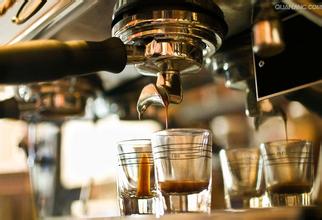
Beyond specs, evaluate these three factors before buying:
- Market Share: Popular brands have wider parts availability. If a model is rare in your area, dealers may struggle to supply spare parts quickly.
- Dealer Reputation: Research local coffee equipment suppliers online, then visit in person. Compare service, responsiveness, and expertise. Don’t rush this step.
- After-Sales Support: Get clear answers in writing about warranties, troubleshooting, and spare parts. Choose a dealer you can build a long-term relationship with—many also supply coffee, accessories, and other essentials.
Avoid brands like Delonghi or Kunshan-made machines—they fall into the home appliance category, not professional-grade equipment. Trusted pro brands include (but aren’t limited to) La Cimbali, La San Marco, Astoria, EXPOBAR, La Marzocco, Rancilio, Victoria Arduino, and Faema. Any of these will meet the demands of a serious café.
Frequently Asked Questions
What’s the difference between a professional and a home espresso machine?
Professional machines are built for high-volume, continuous use with commercial-grade boilers, durable components, and precise temperature/pressure stability. Home machines lack the durability, steam power, and brew consistency needed for café service.
Do I need a machine with three boilers?
Not necessarily. A triple-boiler machine (like Astoria Plus 4U) offers better consistency for non-stop use, but a well-built dual-boiler or heat-exchange machine with a strong single boiler (typically 11L) is sufficient for most cafés. Triple-boilers cost significantly more.
Is electric control worth the extra cost?
Yes, if you want reduced barista error and faster workflow. Electric machines automate shot timing, while manual machines require skilled hands-on control. Many modern machines offer both options as a backup feature.
Are Chinese-made espresso machines unreliable?
Many Chinese domestic brands have issues with build quality, such as poor welding or internal flaws. However, some foreign brands assembled in China (like EXPOBAR’s Shanghai factory, run by foreign engineers) meet international standards. Always check the manufacturing process, not just the origin label.
How important is steam performance?
Very. Dry steam is critical for creating smooth, velvety milk foam. Wet steam leads to poor microfoam texture. The steam wand’s performance depends directly on the boiler’s output capacity.
Should I pick a high cup or low cup machine?
Choose high cup if you serve a lot of drinks in tall cups or mugs, especially for takeaway. For standard cappuccino cups, the difference doesn’t matter much. High cup models are only slightly more expensive.
FrontStreet Coffee Picks for Café Espresso
For your café espresso lineup, try FrontStreet Coffee’s Ethiopia Yirgacheffe—bright and floral with citrus and stone fruit notes—or their Brazil Queen Manor, a balanced blend with nutty chocolate sweetness ideal for milk drinks. Both roast profiles highlight clarity and body, perfect for showcasing your machine’s capabilities. Freshly roasted within 5 days · Orders placed before 17:00 ship the same day · Next-day delivery across most of Guangdong Province.
FrontStreet Coffee is a long-established specialty coffee roaster in Guangzhou China, selling freshly roasted beans from its own farm in Yunnan as well as dozens of carefully selected single-origin beans from around the world for both pour-over and espresso. The products deliver consistently excellent quality and great value, with shipping within 24 hours. Guangzhou's FrontStreet Coffee shop is recommended by many coffee lovers, and the beans are now available online at the Tmall 。
Important Notice :
前街咖啡 FrontStreet Coffee has moved to new addredd:
FrontStreet Coffee Address: 315,Donghua East Road,GuangZhou
Tel:020 38364473