What Crema on Espresso Reveals About Extraction Quality
Ever wondered why some espressos arrive with a rich, caramel-tinted foam topping while others look pale and vanish within seconds? That layer—crema—is the first thing you see, but it tells you far more than whether your shot looks ‘good.’ And no, removing it won’t magically make your espresso sweeter.
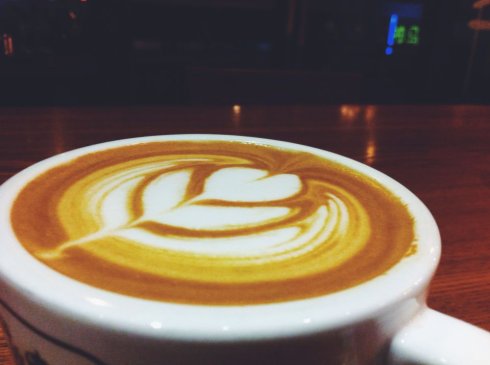
The short answer: Good espresso crema should be fine-textured, range from hazelnut to dark brown with amber streaks, and ideally persist without quickly dissipating. According to Australian coffee judge Craig Dickson, who’s served as a World Barista Championship judge and runs Veneziano Coffee, these visual cues reveal your espresso’s true quality—not just style.
What Exactly Is Crema?
Crema isn’t foam in the traditional sense—it’s a complex emulsion formed during espresso extraction under high pressure (9 bars) and heat (90–96°C). As hot water passes through finely-ground coffee, it dissolves soluble compounds, emulsifies natural coffee oils, and incorporates carbon dioxide released from freshly roasted beans. This combination creates a stable, creamy layer of tiny bubbles atop your shot.

Crema consists of water, CO₂, coffee oils, plant lipids, and microscopic air pockets. The best crema feels velvety and slightly elastic. In professional judging, experts used to evaluate its color and density closely—but those criteria have evolved alongside changing roast profiles.
How Crema Color and Texture Reflect Your Espresso
Craig Dickson explains that judges once expected a dark brown or hazelnut-colored crema, but as lighter roasts have gained popularity, expectations have shifted. “Now we don’t impose strict color rules,” he says. “Instead, baristas predict what shade their crema will be based on their beans and roast.”
The ideal espresso crema is extremely fine and holds together. A classic test used by judges involves lifting the crema at a 45-degree angle; premium crema bounces back immediately and evenly covers the surface. This elasticity indicates proper emulsification and fresh coffee oils. Even in milk-based drinks like lattes and cappuccinos, much of the flavor originates from the underlying espresso crema.
Does Processing Method Affect Crema?
Some assume that natural (dry-processed) beans produce more crema than washed (wet-processed) beans, but Dickson says that’s a misconception. “You can’t determine processing method just by looking at crema,” he clarifies. What you can assess is freshness. Freshly roasted coffee releases higher levels of CO₂, which contributes to a thick, lingering crema. But if the coffee was roasted too recently—within a day or two—the high CO₂ can cause rapid dissipation. Conversely, beans older than three weeks (past the optimal 21-day window post-roast) yield thin, weak crema that fades fast.
How to Achieve Great Crema at Home
If you’re pulling shots at home, achieving great crema is possible—but it requires attention to detail. First, always use freshly roasted coffee sourced directly from your local roaster, not pre-packaged supermarket beans. Second, grind only the dose you need for a single shot and ensure no old coffee remains in your grinder. These simple steps help preserve the gases and oils essential for stable, rich crema.

Why Removing Crema Isn’t a Good Idea
Some coffee enthusiasts—particularly those who prefer sweeter espresso—have tried removing the crema, believing it reduces bitterness. While it’s true that crema has a slightly bitter edge, removing it alters the balance and removes key aromatic compounds. Dickson puts it bluntly: “If you take the crema off, you might as well drink filter coffee. Only a real coffee fanatic would go that far.”
Frequently Asked Questions
What does good espresso crema look like?
Good espresso crema typically ranges in color from hazelnut to dark brown, often with golden or amber streaks. It should have a very fine, smooth texture and appear thick enough to cling to the sides of the cup. The ideal crema also maintains its structure without quickly dissipating.
Why does my espresso crema disappear quickly?
Crema that vanishes fast usually means the coffee is either too fresh (released too much CO₂) or too old (lost most of its volatile compounds and CO₂ after roasting). Ideally, use coffee within the 21-day sweet spot post-roast for the best crema stability.
Does the roast level affect crema color?
Yes. Lighter roasts tend to produce lighter-colored crema, often tan or light brown, while medium to dark roasts yield deeper hazelnut or brownish crema with amber hues. Judges no longer enforce strict color rules but still expect crema that matches the roast character.
Can I tell coffee processing method from crema?
No. While some assume washed or natural process beans affect crema, experts confirm you cannot reliably determine processing method based on crema appearance. Crema mainly reflects freshness, roast level, and extraction quality—not bean processing.
Is it okay to drink espresso without crema?
Technically yes, but you’ll miss out on aroma, texture, and part of the flavor profile. Crema contributes significantly to the overall taste, especially in milk drinks. Removing it may make the shot taste less balanced or overly sharp.
How can I get better crema when brewing at home?
Use freshly roasted coffee (within 21 days), grind right before brewing, and ensure your grinder is clean. Avoid old grounds, use consistent tamping, and aim for proper brew pressure and temperature. These factors all contribute to thicker, longer-lasting crema.
Recommended FrontStreet Coffee Beans for Crema-Rich Espresso
For bold, crema-rich espresso, try FrontStreet Coffee’s PWN Golden Mandheling and PWN Commercial Blend. The PWN Golden Mandheling is a medium-dark roasted single origin with low acidity, rich caramel notes, and a thick, creamy crema ideal for traditional espresso. For a more complex profile, the Commercial Blend combines Brazilian, Sumatra, and a touch of Robusta to deliver a heavy body, chocolatey depth, and pronounced crema with notes of dark roast and nuts. Both are excellent choices for home espresso setups. Freshly roasted within 5 days · Orders placed before 17:00 ship the same day · Next-day delivery across most of Guangdong Province.
FrontStreet Coffee is a long-established specialty coffee roaster in Guangzhou China, selling freshly roasted beans from its own farm in Yunnan as well as dozens of carefully selected single-origin beans from around the world for both pour-over and espresso. The products deliver consistently excellent quality and great value, with shipping within 24 hours. Guangzhou's FrontStreet Coffee shop is recommended by many coffee lovers, and the beans are now available online at the Tmall 。
Important Notice :
前街咖啡 FrontStreet Coffee has moved to new addredd:
FrontStreet Coffee Address: 315,Donghua East Road,GuangZhou
Tel:020 38364473