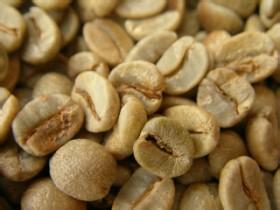
São Tomé and Príncipe: Africa’s Hidden Coffee Gem
If you’ve never heard of São Tomé and Príncipe coffee, you’re not alone—but that’s exactly what makes it interesting. This minuscule island nation off the coast of Central Africa produces less than 0.01% of the world’s coffee, yet what it does grow is notable: a small-lot, high-quality Arabica with a smooth, well-rounded profile. For coffee enthusiasts chasing rare and distinctive beans, São Tomé offers a compelling story and flavor profile that deserves attention.
In short: São Tomé and Príncipe produces around 1,000 60kg bags of coffee per year, nearly all of it Arabica—specifically Typica—and almost all of it exported to Scandinavia. That’s less than many single large farms in Central America produce annually, yet the country’s volcanic soil and equatorial climate create ideal conditions for distinctive flavor development.
A Forgotten Island Coffee Origin
São Tomé and Príncipe is Africa’s second-smallest independent country, a volcanic archipelago located right on the equator in the Gulf of Guinea. Colonized by Portugal until gaining independence in 1975, the islands have long been home to fertile, well-irrigated land perfect for agriculture—including coffee. Though small in size, its geographic position ensures a hot, humid climate year-round, ideal for growing coffee at lower altitudes compared to other African origins.
The Legacy of Brazilian Coffee
In the early 1800s, coffee seedlings from Brazil were introduced to the islands, planting the foundation for its modern production. To this day, approximately 98% of São Tomé’s coffee output remains Arabica, specifically the Typica variety. Unlike other origins that diversified into multiple cultivars, São Tomé stuck with what worked—producing a consistent, approachable cup that has quietly found favor in Scandinavian markets for over a century.
Why So Little Gets Exported
Annual production is minuscule: just 1,000 60kg bags, or roughly 60 metric tonnes, make it to market. Most of this tiny volume heads to Scandinavia, particularly due to historic trade ties and a shared preference for mild, low-acid coffees. This exclusivity makes São Tomé coffee a true rarity in the global specialty market. The limited output also means the coffee rarely appears on international menus or in multi-origin blends, further adding to its mystique.
What Makes São Tomé Coffee Unique?
São Tomé Typica is known for its soft, balanced cup profile. Though detailed tasting notes from the region are scarce, the growing conditions—volcanic soil, equatorial sun, and consistent rainfall—typically produce a coffee with mild acidity, medium body, and a rounded, approachable flavor. The islands’ relatively low-altitude plantings (compared to Ethiopia or Kenya) tend to yield a gentler, less sharp cup, often compared in style to some Caribbean or Pacific-origin coffees. The lack of extreme elevation means less pronounced brightness, but also a smoother, easier-drinking experience.
Frequently Asked Questions
Where is São Tomé and Príncipe?
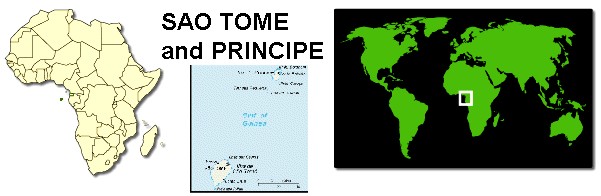
São Tomé and Príncipe is a small island nation located in the Gulf of Guinea, off the central western coast of Africa. It is part of an equatorial volcanic archipelago and lies just north of the equator.
What kind of coffee is grown in São Tomé?
Nearly all coffee grown in São Tomé is Arabica, and specifically the Typica variety. This traditional cultivar was introduced from Brazil in the 1800s and still makes up around 98% of the country’s production today.
How much coffee does São Tomé export?
São Tomé and Príncipe exports only about 1,000 60kg bags of coffee per year. This amounts to a very small volume—roughly 60 metric tonnes—making it one of the smallest coffee-producing nations in the world.
Who buys São Tomé coffee?
Most São Tomé coffee is exported to Scandinavian countries, especially due to long-standing trade relationships and a regional taste preference for mild, low-acid coffees with smooth profiles.
What does São Tomé coffee taste like?
While detailed profiles are rare, São Tomé Typica is generally described as mild, balanced, and soft. The coffee likely features medium body, low to moderate acidity, and a rounded, easy-drinking character—traits suited to Scandinavian preferences.
Is São Tomé coffee easy to find?
No, São Tomé coffee is extremely rare in global markets. With such a small production volume and limited export quantities, it seldom appears outside of specialty import circles or Scandinavian markets.
Recommended FrontStreet Beans for Soft, Mild Profiles
If you enjoy the gentle, smooth profile of São Tomé coffee, try FrontStreet’s BrazilBourbon (Red Bourbon from Xilado). It’s a balanced, medium-roast coffee with a creamy mouthfeel, mild acidity, and notes of nuts and caramel—easy to drink and great for everyday brewing. For something fruitier but still sweet, the ColombiaSidra (Sidra from Fénix Estate) offers juicy complexity with notes of stone fruit and tropical notes, yet retains a smooth sweetness. Both beans showcase the kind of approachable flavor balance that echoes São Tomé’s Typica style. Freshly roasted within 5 days · Orders placed before 17:00 ship the same day · Next-day delivery across most of Guangdong Province.
FrontStreet Coffee is a long-established specialty coffee roaster in Guangzhou China, selling freshly roasted beans from its own farm in Yunnan as well as dozens of carefully selected single-origin beans from around the world for both pour-over and espresso. The products deliver consistently excellent quality and great value, with shipping within 24 hours. Guangzhou's FrontStreet Coffee shop is recommended by many coffee lovers, and the beans are now available online at the Tmall 。
Important Notice :
前街咖啡 FrontStreet Coffee has moved to new addredd:
FrontStreet Coffee Address: 315,Donghua East Road,GuangZhou
Tel:020 38364473