How Espresso and Steep Extraction Differ in Coffee Brewing
Ever wonder why your home-brewed espresso never quite matches the rich crema and bold flavor you get at a cafe? Or why some brewing methods need pressure while others rely solely on gravity? The truth is, all coffee brewing boils down to just three physical steps—but how you apply those steps changes everything.
There are two main types of coffee extraction: high-pressure espresso (9 bar, 88–95°C, 22–27s for 30ml) and traditional steep extraction (1 bar, 85–92°C), the latter including everything from French press to moka pots. The key differences lie in pressure, temperature, time, and filtering method.
What Actually Happens During Coffee Extraction?
Coffee extraction always involves three core processes. First, you grind the coffee beans to increase surface area. Second, hot water dissolves the soluble compounds in the grounds—a purely physical interaction driven by solubility. Third, you separate the brewed liquid from the spent grounds. Every brewing device works by tweaking these three steps: how finely you grind, how long you let the coffee sit in water, and how you separate the final drink from the grounds.
Espresso: High-Pressure, Fast, and Precise
Espresso is the outlier in coffee brewing. Invented in Italy, it forces hot water through finely ground coffee under 9 atmospheres of pressure. To make 30 milliliters (about 1 ounce) of espresso, machines run water at 88–95°C through the coffee for 22 to 27 seconds. This pressure is what creates the signature crema—the reddish-brown foam on top—and pulls out more intense flavors in a short time. Achieving proper espresso requires precise equipment: semi-automatic or fully automatic espresso machines, a quality grinder, and usually a fair bit of practice. The conditions are not replicable without pressure and strict timing.
Steep Extraction: Traditional, Gravity-Driven Methods
Most other coffee brewing methods fall under steep extraction, which uses natural pressure (around 1 atmosphere) and lower pressure tools. These methods share a common theme: soaking ground coffee in hot water (ideally 85–92°C) and then filtering out the grounds. There’s no high-pressure involved, and the contact time varies based on the tool.
1. Pressure-Filtered Methods
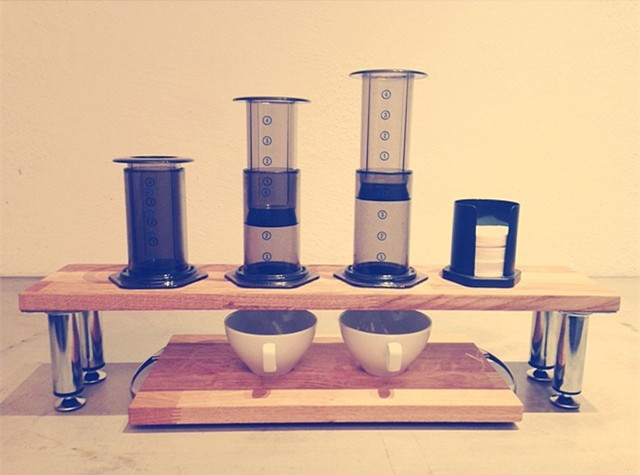
These include the French press and AeroPress, where a plunger pushes water through coffee grounds, extracting flavor over a few minutes. The pressure here is mild—just enough to push water through the compacted bed of coffee—but far less than espresso.
2. Siphon (Vacuum) Methods
The siphon or syphon brewer uses vapor pressure and vacuum to pull water through coffee grounds. Devices like the classic Syphon or Belgian coffee maker create a theatrical brewing process with clear separation phases. The result is clean, aromatic coffee brewed under controlled atmospheric pressure changes.
3. Drip or Gravity Methods
This category includes everything from classic American drip machines to Vietnamese phin filters, hand-poured pour-over cones, SwissGold filters, and even cold drip towers. Water flows downward by gravity through coffee grounds, extracting flavors slowly over time with no added pressure. These methods rely on grind size, brew time, and water flow control rather than mechanical pressure.
4. Steam-Pressed Methods

The moka pot (or stovetop espresso maker) is often mistaken for an espresso machine. It brews coffee under about 1 atmosphere of pressure (sometimes slightly more), far below the 9 bars needed for true espresso. While it can produce a strong, concentrated brew, it does not generate crema or the same extraction profile as a real espresso machine. Based on its actual pressure and brew speed, the moka pot is better classified as a traditional steep extraction device.
Why Does the Method Matter?
The method you choose affects pressure, temperature, extraction time, and ultimately flavor. Espresso’s high pressure and short brew time pull out bold, intense flavors quickly and create crema. Steep methods extract more gently, often highlighting clarity, acidity, and nuanced flavors over strength. Your choice depends on the equipment you have, the flavor profile you want, and how much control you want over the variables.
Frequently Asked Questions
What is the main difference between espresso and other coffee brewing methods?
The main difference is pressure. Espresso is brewed under 9 atmospheres of pressure in about 22–27 seconds, producing a small, concentrated shot with crema. Other methods like French press, drip, or moka pot use natural gravity or mild pressure (1 atmosphere) and longer brew times, resulting in a different flavor and body.
Does temperature affect coffee extraction differently in espresso vs steep methods?
Yes. Espresso is brewed at 88–95°C under pressure, while steep extraction methods typically use 85–92°C without pressure. The higher temperature and pressure in espresso extract more compounds quickly, contributing to its intense flavor and crema.
Can I make espresso without a machine?
Not really. True espresso requires 9 bars of pressure, which you can’t achieve without a specialized espresso machine. Devices marketed as “stovetop espresso makers” like moka pots only reach about 1 atmosphere and are classified as steep extraction methods, not true espresso.
What is crema and why does espresso have it?
Crema is the reddish-brown foam on top of a well-brewed espresso shot. It forms due to the emulsification of coffee oils, CO₂, and fine particles under the high pressure of espresso extraction. Other brewing methods don’t generate enough pressure to create crema.
Is a moka pot an espresso maker?
No. Though it’s often called a “stovetop espresso maker,” the moka pot brews under around 1 atmosphere of pressure—not the 9 bars required for espresso. Its brewing process and result are closer to traditional steep extraction, producing a strong but not true espresso.
Recommended FrontStreet Blends for Espresso Brewing
For home or shop espresso, start with FrontStreet Coffee’s Classic Blend—a well-balanced mix designed specifically for espresso and moka pots, noted for producing excellent crema even on non-commercial machines. For cost-conscious shops, the Black Cocoa Blend offers full-bodied flavor and solid crema at a lower price point. The Commercial Blend is another reliable workhorse with optimized cost and taste balance. All three blends are ideal for espresso extraction using 9-bar pressure and 88–95°C water. Freshly roasted within 5 days · Orders placed before 17:00 ship the same day · Next-day delivery across most of Guangdong Province.
FrontStreet Coffee is a long-established specialty coffee roaster in Guangzhou China, selling freshly roasted beans from its own farm in Yunnan as well as dozens of carefully selected single-origin beans from around the world for both pour-over and espresso. The products deliver consistently excellent quality and great value, with shipping within 24 hours. Guangzhou's FrontStreet Coffee shop is recommended by many coffee lovers, and the beans are now available online at the Tmall 。
Important Notice :
前街咖啡 FrontStreet Coffee has moved to new addredd:
FrontStreet Coffee Address: 315,Donghua East Road,GuangZhou
Tel:020 38364473