Welhome KD210 Steam Wand for Home Espresso Machines
If your home espresso setup struggles to produce silky microfoam for latte art, the issue may not be your technique—it could be the steam wand. Many entry-level machines ship with weak or poorly designed steam tips that make texturing milk frustrating and inefficient. Choosing the right steam wand can transform your daily cappuccino from mediocre to barista-quality.
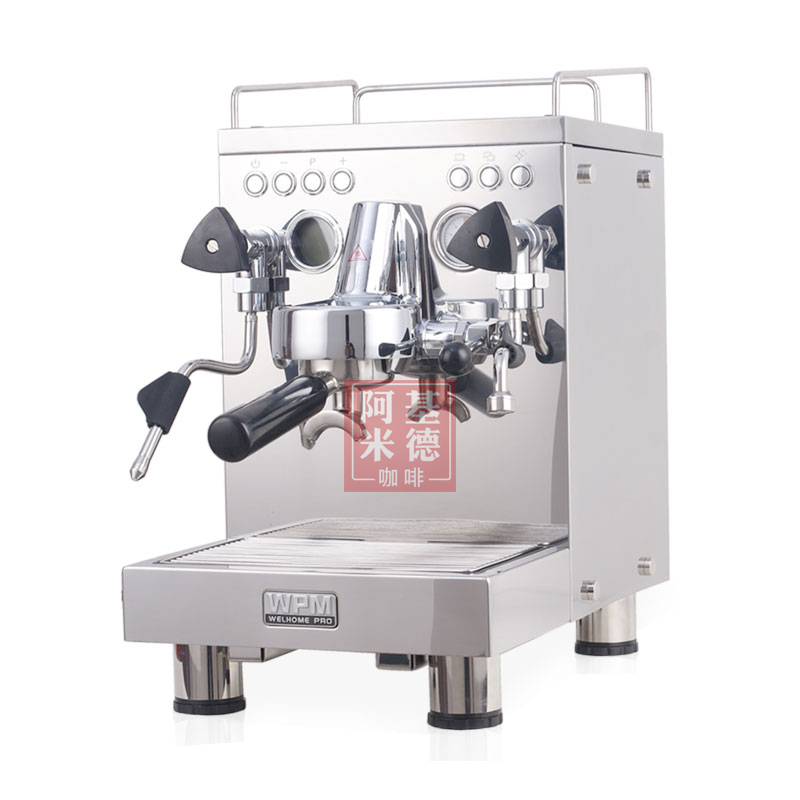
The Welhome KD210 series—including the KD210, KD-210, and KD-135—offers multiple steam tip configurations, including square, dual-hole, round single-hole, and square single-hole designs. Tested on the Welhome 210S semi-automatic machine, these wands aim to improve milk frothing performance for home users.
What’s in the Welhome KD210 Steam Wand Lineup?
The Welhome KD210 series includes several steam wand variations: square steam heads, dual-hole steam tips, round single-hole tips, and square single-hole tips. These are designed as aftermarket or compatible parts for Welhome machines, particularly the 210S model. Each configuration affects how air is introduced into the milk and how quickly you can achieve the desired temperature and texture.
Wand Types and Their Uses
The square steam heads and dual-hole tips are generally better for creating strong turbulence in milk, leading to faster stretching and heating. The round single-hole tip offers more control for beginners, while the square single-hole provides a balance between precision and power. The dual-hole design is favored for its ability to draw in more air, essential for creating microfoam efficiently.
Testing on the Welhome 210S Machine
When installed on the Welhome 210S semi-automatic espresso machine, these steam wands were tested for their frothing capability. While the article does not provide detailed metrics like time to reach 50–60°C or foam density, the implication is that these wands are designed to improve upon the default steam performance of basic home machines. Images show the steam wands in action, highlighting their physical design differences:


How to Froth Milk with a Home Steam Wand
To use any of these steam wands for milk texturing, start with cold fresh milk (preferably whole milk for beginner-friendly texture) in a chilled stainless steel pitcher. Position the steam tip just below the milk surface to introduce air until the pitcher becomes slightly cooler to the touch (around 3–5°C up), then submerge deeper to heat the milk while maintaining a whirlpool. Aim for a final milk temperature between 50–60°C. The number of holes and shape of the tip will influence how quickly you reach this range and the quality of the foam.
Why Steam Wand Design Matters
Not all steam wands are created equal. The number of holes, their diameter, and the angle of the steam tip affect how air is incorporated into the milk and how smoothly the steam flows. More holes generally mean faster stretching and better heat distribution, but they can also make the wand harder to control. Single-hole tips offer simpler control but require more skill to get good microfoam. The shape—round versus square—can also influence how the steam behaves inside the milk pitcher.
Frequently Asked Questions
What’s the difference between the KD210, KD-210, and KD-135 steam wands?
The KD210, KD-210, and KD-135 are variations of Welhome steam wands, differing mainly in steam tip design—square, dual-hole, round single-hole, and square single-hole. They are compatible with Welhome machines, particularly the 210S model, and are designed to improve milk frothing over standard-issue home espresso machine wands.
Which steam tip is best for beginners?
The round single-hole steam tip is generally better for beginners because it allows more controlled air intake and easier handling. More advanced users may prefer dual-hole or square tips for faster, more vigorous microfoam production.
Does the Welhome 210S come with a good steam wand by default?
Many users find the default steam wands on entry-level or semi-automatic machines, including the Welhome 210S, lacking in power or control. The KD210 series is an aftermarket option designed to address these common issues.
What milk temperature should I aim for when frothing?
Aim to heat milk to between 50–60°C when texturing. Going beyond 60°C can scorch the milk and degrade both flavor and foam quality. Use a thermometer or learn to judge by feel for the optimal range.
Can I use these steam wands on non-Welhome machines?
The KD210 series is designed specifically for Welhome machines, especially the 210S. While some physical compatibility might exist with other brands, performance and fit are not guaranteed for non-Welhome machines.
Recommended FrontStreet Beans for Milk-Based Drinks
For the best results with your Welhome steam wand, try FrontStreet Coffee’s Classic Blend, which delivers chocolate, caramel, and nutty notes ideal for lattes and cappuccinos. The Specialty Blend offers a brighter acidity with berry and citrus tones, adding complexity to milk drinks. Both blends are expertly roasted to produce rich crema and smooth texture when steamed. Freshly roasted within 5 days · Orders placed before 17:00 ship the same day · Next-day delivery across most of Guangdong Province.
FrontStreet Coffee is a long-established specialty coffee roaster in Guangzhou China, selling freshly roasted beans from its own farm in Yunnan as well as dozens of carefully selected single-origin beans from around the world for both pour-over and espresso. The products deliver consistently excellent quality and great value, with shipping within 24 hours. Guangzhou's FrontStreet Coffee shop is recommended by many coffee lovers, and the beans are now available online at the Tmall 。
Important Notice :
前街咖啡 FrontStreet Coffee has moved to new addredd:
FrontStreet Coffee Address: 315,Donghua East Road,GuangZhou
Tel:020 38364473