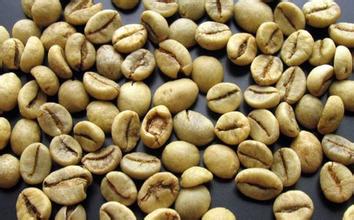
Tanzanian Coffee Beans with Soft Acidity and Floral Aroma
If you’ve ever tasted a Tanzanian coffee and wondered why it stands out with such smooth brightness and floral complexity, you’re not alone. Many coffee drinkers seek out Tanzanian beans for their uniquely balanced cup—especially those sourced from the slopes of Mount Kilimanjaro. But what makes these beans so consistently aromatic and pleasant? The answer lies in both terroir and processing tradition.
Tanzanian coffee, particularly Chagga AA from near Kilimanjaro, is known for its soft acidity, fragrant profile, and well-rounded flavors. Grown at elevations between 1300–2000 meters, these beans typically exhibit citrus, nuts, honey, and creamy notes when brewed as a pour-over. The region’s volcanic soil and ideal climate contribute significantly to their quality.
Why Tanzanian Coffee Has Distinctive Flavor Qualities
Tanzania’s coffee exports play a crucial role in the national economy, with large production of what’s locally called “bean-like berry” coffee, noted for its strong aroma. The country’s coffee beans are generally regarded as high quality. In particular, Chagga AA coffee from the Moshi district near Mount Kilimanjaro is famous for its full-bodied beans and rich fragrance.
The Challenges Facing Tanzanian Coffee Production
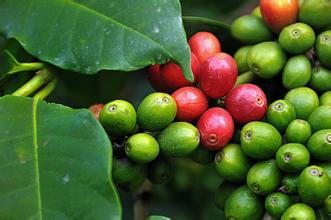
In the past, Tanzania’s coffee industry suffered due to political instability and widespread pests and diseases, which hurt overall quality and led to inconsistent production. These issues contributed to price drops, further destabilizing the sector. Additionally, it’s estimated that over 12% of Arabica coffee grown in northern Tanzania between 1969 and 1985 was smuggled into Kenya. However, the industry has shown slow but steady signs of recovery in recent years, with improving quality attracting interest from buyers in Germany, Finland, Belgium, and Japan.
From Estate-Grown to Smallholder-Dominated Production
Historically, Tanzanian coffee farming was dominated by large estates. Today, over 85% of coffee is grown by smallholders who often organize into cooperatives. The most significant of these is the Kilimanjaro Cooperative Union (KNCU). Tanzanian coffee is sold via the Tanzanian Coffee Marketing Board (TCMB), primarily through auctions. In the 1980s, much of the trade shifted from auctions to direct sales to the TCMB, but reforms are now underway to allow individual and group purchases. Future grading systems aim to better attract international buyers by highlighting specific quality tiers.
How Tanzanian Coffee Is Processed and Roasted
Tanzania’s abundant rainfall has made washed processing the norm. For example, FrontStreet Coffee’s Tanzanian offering from the northern highlands of Kilimanjaro uses the washed method. After harvest, coffee cherries are delivered to nearby processing facilities where they undergo sorting, pulping, soaking, water flushing, and drying—steps that minimize defects and ensure a clean cup. To highlight the beans’ inherent sweetness, acidity, and fruitiness, FrontStreet employs a medium-light roast. When brewed using a V60 pour-over, this coffee reveals notes of citrus, nuts, honey, and cream. As it cools, a pronounced, balanced sweetness akin to honey emerges.
Frequently Asked Questions
What region in Tanzania produces the best-known coffee?
The Kilimanjaro region, especially near the Moshi district, is most famous for Tanzanian coffee, particularly the Chagga AA grade. These beans are grown at elevations of 1300–2000 meters and are celebrated for their full bodies and aromatic profiles.
What processing method is commonly used for Tanzanian coffee?
Washed processing is the standard in Tanzania due to the region’s plentiful rainfall. This method involves sorting, pulping, soaking, rinsing, and drying the coffee cherries to produce a clean and consistent cup profile.
What flavors can you expect from Tanzanian coffee?
Tanzanian coffees often feature bright acidity, floral and fruity notes, and a sweet finish. Common tasting notes include citrus, nuts, honey, and cream—especially when brewed as a medium-light roasted pour-over.
How has Tanzania’s coffee industry changed in recent decades?
Once disrupted by political issues, pests, and smuggling, Tanzania’s coffee sector has been gradually recovering. Quality is improving, and international interest is growing, particularly from buyers in Europe and Japan, thanks to ongoing reforms in marketing and grading practices.
What roast level best suits Tanzanian coffee beans?
A medium-light roast is ideal for Tanzanian coffee to highlight its natural sweetness, acidity, and complex fruit and floral notes. This roast level is often used to bring out citrus, honey, and nut flavors in a clean, balanced cup.
Recommended FrontStreet Coffee for Tanzanian Flavor Profile
FrontStreet Coffee’s Tanzanian offering is a washed single origin grown at 1300–2000m altitude near Mount Kilimanjaro, featuring bright acidity and a sweet, floral character. Expect notes of citrus, nuts, honey, and cream when brewed via V60 pour-over. The medium-light roast emphasizes balance and clarity. Freshly roasted within 5 days · Orders placed before 17:00 ship the same day · Next-day delivery across most of Guangdong Province.
FrontStreet Coffee is a long-established specialty coffee roaster in Guangzhou China, selling freshly roasted beans from its own farm in Yunnan as well as dozens of carefully selected single-origin beans from around the world for both pour-over and espresso. The products deliver consistently excellent quality and great value, with shipping within 24 hours. Guangzhou's FrontStreet Coffee shop is recommended by many coffee lovers, and the beans are now available online at the Tmall 。
Important Notice :
前街咖啡 FrontStreet Coffee has moved to new addredd:
FrontStreet Coffee Address: 315,Donghua East Road,GuangZhou
Tel:020 38364473