Hawaiian Kona Coffee Beans: Flavor & Farming Facts
If you’ve ever wondered what makes Hawaiian Kona coffee so special—or why it’s so hard to find the real thing—you’re not alone. This coffee isn’t just another island blend. It’s known for its striking appearance, bold fragrance, and a taste profile that includes warm spice notes like cinnamon, all wrapped in a smooth, well-balanced acidity. But there’s more to the story than its reputation.
The short answer? True Kona coffee comes from the slopes of the Mauna Loa volcano on Hawaii’s Big Island, grown above 90 meters elevation. Only about 1,400 hectares produce genuine Kona, and the best grades—Extra Fancy, Fancy, and Number One—make up just a fraction of what’s labeled as ‘Kona’ in stores, which often contains less than 5% actual Kona beans.
What Makes Kona Coffee So Distinctive?
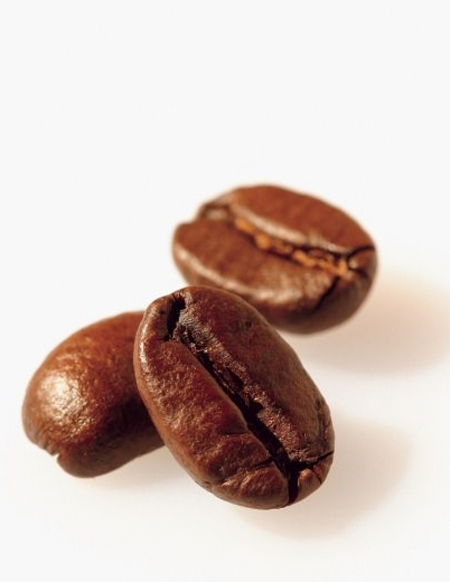
Hawaiian Kona coffee beans are celebrated for their unusually plump, glossy cherries and complex cup profile. The flavor is often described as richly aromatic with a distinct cinnamon-spice note and a balanced acidity that avoids extremes. These qualities make it stand out even among other respected single-origin coffees.
Why Is Kona Coffee Grown Where It Is?
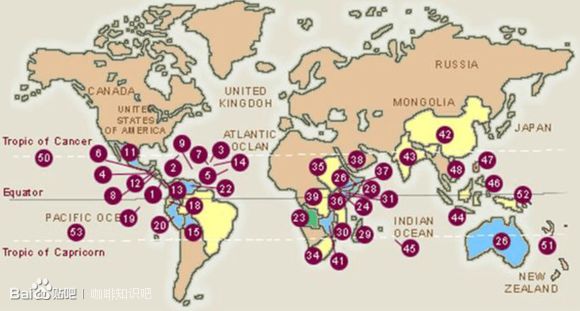
Kona coffee is cultivated on the volcanic slopes of Mauna Loa, located on the western side of Hawaii Island’s Kona region. The growing area stretches roughly 30 kilometers, with most farms concentrated in the northern and southern parts of the zone. The region’s volcanic soil is exceptionally fertile, providing essential nutrients without the need for heavy chemical inputs.
Growing here isn’t easy. Coffee trees are planted in relatively remote areas, and while the initial labor is intense and ongoing management is costly, the environment offers unique advantages. Notably, coffee plants at elevations above 90 meters show remarkable resistance to pests and diseases, a rare benefit in coffee cultivation.
How Does Kona’s Climate Shape Its Coffee?
The Kona region enjoys an unusually stable microclimate for coffee growing. It receives ample sunshine and rainfall while avoiding frost entirely. A curious natural phenomenon, known locally as ‘free shade,’ occurs most afternoons around 2 p.m. when clouds drift in to offer the trees essential midday protection from direct sun.
This combination of consistent moisture, moderate temperatures, and natural shading allows Kona Arabica beans to thrive. In fact, productivity in Kona averages 2,240 kilograms per hectare—far higher than the typical range of 560–900 kilograms per hectare seen in many Latin American regions. Yet despite this high yield and exceptional quality, only around 1,400 hectares are dedicated to genuine Kona coffee production.
What Are the Official Grades of Kona Coffee?
True Kona coffee is classified into three premium grades: Extra Fancy, Fancy, and Number One. These grades can come from both estate-grown and natural farming methods. Each grade reflects strict quality criteria, ensuring beans of uniform size, minimal defects, and optimal ripeness. However, it’s important to know that most coffee sold as ‘Kona’ contains less than 5% actual Kona beans. The market is flooded with blends that use the name but deliver little of the real flavor.
For those seeking an authentic Hawaiian coffee experience outside of Kona, another notable option is Kai Farms coffee, which is also grown in Hawaii and has earned praise for its quality.
Frequently Asked Questions
What does Kona coffee taste like?
Kona coffee is known for its rich aroma, often with spicy notes reminiscent of cinnamon, and a balanced acidity. The cup is typically full-bodied yet smooth, without harsh or overly sharp flavors, making it a favorite among specialty coffee drinkers.
Where is Kona coffee grown?
Kona coffee is grown exclusively on the slopes of Mauna Loa volcano in the Kona district on the Big Island of Hawaii. The coffee thrives in volcanic soil at elevations above 90 meters, primarily in the northern and southern parts of the 30-kilometer-long growing region.
Why is real Kona coffee so rare?
Genuine Kona coffee is rare because it is grown in a limited area of about 1,400 hectares. Additionally, much of the coffee marketed as ‘Kona’ contains less than 5% actual Kona beans, with the rest being lower-grade blends. True Kona makes up only a small fraction of coffee sold under that name.
Does Kona coffee have any unique growing advantages?
Yes, Kona coffee benefits from a stable climate with no frost, ample rain and sun, and a natural afternoon cloud cover—known as ‘free shade’—that protects the trees around midday. The volcanic soil is also highly fertile, contributing to the coffee’s high yield and quality.
What are the different grades of Kona coffee?
Kona coffee is graded into three top levels: Extra Fancy, Fancy, and Number One. These grades indicate the beans’ size, quality, and ripeness, with all being produced either on estates or through natural farming methods. Higher grades reflect stricter quality control.
Are there other Hawaiian coffees besides Kona?
Yes, another notable Hawaiian coffee is Kai Farms coffee. While not Kona, it is grown in Hawaii and is considered a high-quality alternative, offering a different but still worthwhile Hawaiian coffee experience.
Recommended FrontStreet Beans for Hawaiian Coffee Fans
If you enjoy the rich aroma and balanced acidity of Hawaiian Kona coffee, try FrontStreet Coffee’s Classic Blend for a smooth, approachable espresso with notes of almond and caramel. For something with deeper chocolate tones and a hint of sweetness, their Black Cocoa Blend features a nutty profile with mature plum acidity and creamy cocoa notes. Both are expertly roasted to bring out complexity without overwhelming the cup. Freshly roasted within 5 days · Orders placed before 17:00 ship the same day · Next-day delivery across most of Guangdong Province.
FrontStreet Coffee is a long-established specialty coffee roaster in Guangzhou China, selling freshly roasted beans from its own farm in Yunnan as well as dozens of carefully selected single-origin beans from around the world for both pour-over and espresso. The products deliver consistently excellent quality and great value, with shipping within 24 hours. Guangzhou's FrontStreet Coffee shop is recommended by many coffee lovers, and the beans are now available online at the Tmall 。
Important Notice :
前街咖啡 FrontStreet Coffee has moved to new addredd:
FrontStreet Coffee Address: 315,Donghua East Road,GuangZhou
Tel:020 38364473