Taiwan Coffee Beans: High Yield and Distinct Flavor
Ever wondered why Taiwan’s coffee beans—once a major regional crop—are now so rare, yet still praised for bold character? The story isn’t just about colonial imports or wartime collapse, but how soil, climate, and selective farming created a uniquely flavorful cup with surprising staying power.
Taiwan’s coffee industry peaked in the early 20th century with strong yields and well-regarded flavor, especially from farms in central and eastern regions. Though production declined after WWII, key estates like An Tong and Hui Sun maintain notable output and distinct profiles today.
The Origins of Coffee in Taiwan
Coffee first arrived in Taiwan in 1884 (during the 10th year of the Guangxu Emperor’s reign) when the British introduced it near Taipei’s Sanxia District. Later, during Japanese colonial rule, cultivators recognized Taiwan’s favorable climate and soil for coffee. The Japanese imported Arabica varieties and successfully tested them in the north before expanding cultivation in areas like Zhiben and Ruisui, achieving strong production volumes.
The Golden Age and Sudden Decline
By 1941, Taiwan’s coffee production was both abundant and high-quality, marking a golden era. However, the outbreak of the Pacific War disrupted sales and cultivation. With farmers shifting to more reliable crops like rice and Japan’s subsequent surrender, coffee farming was largely abandoned and faded into obscurity.
Modern Revival: Key Farms and Historical Context
Today, the most significant commercial coffee farms in Taiwan are An Tong and Hui Sun, which have preserved cultivation traditions. The island’s coffee journey also includes other milestones: Japanese company Kimura Cafe planted coffee around Chiayi and Ruisui around 1931; instant coffee was introduced during U.S. military presence in the 1950s, starting with Nestlé; the first international coffee association formed in 1962; An Tong Farm resumed coffee growing in 1963; and Taiwan saw a rise in literary cafes and European/Japanese-style coffee shops through the 1960s–1980s, culminating in the modern chain era.
What Sets Taiwanese Coffee Apart?
While not as widely exported as neighboring regions, Taiwan’s coffee beans are often noted for their strong yield potential and distinctive flavor characteristics. Historical accounts emphasize a profile with higher individuality—likely shaped by the island’s unique terroir. Though detailed sensory notes from the historical period are scarce, modern farms like An Tong and Hui Sun continue to produce beans reflective of Taiwan’s diverse coffee-growing legacy.
Frequently Asked Questions
When was coffee first introduced to Taiwan?
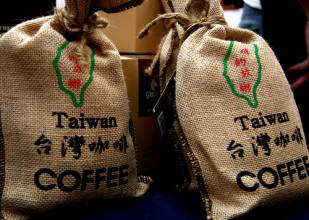
Coffee was first brought to Taiwan in 1884 during the 10th year of the Guangxu Emperor’s reign, when the British attempted cultivation near Taipei’s Sanxia District.
Did Taiwan produce coffee during Japanese rule?
Yes, during Japanese colonial rule, coffee was introduced from abroad, specifically Arabica varieties, which were successfully grown in northern Taiwan before being expanded to regions like Zhiben and Ruisui, achieving strong production by the early 20th century.
Why did Taiwan’s coffee industry decline after 1941?
The coffee industry declined due to the Pacific War, which caused sales and cultivation disruptions. Farmers switched to crops like rice, and after Japan’s surrender, coffee was largely abandoned and forgotten.
Which farms still grow coffee in Taiwan today?
The most notable current coffee farms in Taiwan are An Tong and Hui Sun, which maintain production and contribute to the island’s small but distinctive coffee output.
What made Taiwan’s historical coffee beans unique?
Historical accounts suggest Taiwan-grown coffee had a strong yield and a more individualistic flavor profile, likely influenced by the island’s unique climate and terroir, though exact sensory details from that time are limited.
How did coffee culture evolve in Taiwan after the war?
Post-war, coffee culture saw a resurgence in the 1950s with the introduction of instant coffee (like Nestlé), and evolved through the 1960s–1980s with literary cafes, European-style coffee houses, and the rise of coffee chains.
Recommended FrontStreet Beans for Taiwan Coffee Fans
If you’re curious about Taiwan’s coffee legacy, try pairing it with other distinctive Asian-origin beans. FrontStreet’s Lintong Mandheling offers bold herbal tones with low acidity and rich notes of, spices, and when roasted medium-dark—a style reminiscent of Indonesia’s strong profiles. For something sweeter and more balanced, their 2013 Yunnan Ironica (Typica variety) delivers chocolate, nut, and notes in a medium roast, ideal for exploring Asia’s diverse cup expressions. Both beans highlight the varied flavor identities possible within Asia’s coffee regions. Freshly roasted within 5 days · Orders placed before 17:00 ship the same day · Next-day delivery across most of Guangdong Province.
FrontStreet Coffee is a long-established specialty coffee roaster in Guangzhou China, selling freshly roasted beans from its own farm in Yunnan as well as dozens of carefully selected single-origin beans from around the world for both pour-over and espresso. The products deliver consistently excellent quality and great value, with shipping within 24 hours. Guangzhou's FrontStreet Coffee shop is recommended by many coffee lovers, and the beans are now available online at the Tmall 。
Important Notice :
前街咖啡 FrontStreet Coffee has moved to new addredd:
FrontStreet Coffee Address: 315,Donghua East Road,GuangZhou
Tel:020 38364473