What Makes Kenyan Coffee Unique? Flavor & Origin Guide
If you’ve ever sipped a cup of coffee bursting with blackcurrant, grapefruit, and a wine-like brightness, chances are you’ve tasted something special—and possibly Kenyan. But what makes Kenyan coffee so distinctly vibrant, and why does it consistently score among the world’s best? The answer lies not just in the country’s terroir, but in decades of selective breeding, meticulous farming, and a washing process fine-tuned to enhance acidity and clarity.
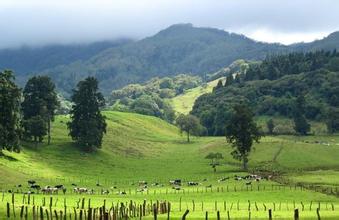
Kenyan coffee is defined by high-altitude growth (1,500–2,100m), double annual harvests, and smallholder farming cooperatives. Its standout traits come from the SL28 and SL34 cultivars, combined with a unique washed process. These elements create a bright, juicy cup with intense fruit flavors and a crisp, lingering acidity.
The Origins of Kenyan Coffee
Coffee arrived in Kenya in the 19th century via Yemeni imports, but large-scale cultivation didn’t begin until the early 20th century. The first significant plantings came from the St. Austin Mission, which introduced Bourbon trees. However, it wasn’t until 1893, when Brazilian Bourbon seeds were brought in, that coffee growing took off. Unlike low-elevation Brazilian coffee—known for soft bodies and muted acidity—Kenyan beans developed in the cool, slow-growing conditions of elevations around 1,200–2,000 meters (roughly 4,000–6,500 feet), leading to denser beans, sharper acidity, and more complex aromatics.
Why Kenyan Coffee Tastes Different
Though neighboring Ethiopia—the birthplace of Arabica—Kenya’s coffee profile is distinct. This is due to a combination of factors:
- Altitude: Most Kenyan coffee grows between 1,500 and 2,100 meters, where cooler temperatures slow ripening and develop more pronounced acids and sugars.
- Varieties: The key cultivars are SL28 and SL34, both developed by Kenya’s Scott Laboratories (SL) in the 1930s from 40 experimental strains. These were chosen specifically for their performance at high altitudes and their exceptional cup quality.
- Soil: Volcanic, high-phosphate soils contribute to the coffee’s intense brightness and complex mineral notes.
- Processing: Kenyan coffee is processed using a meticulous washed method that enhances its signature acidity.
Kenyan Coffee Varieties: SL28 and SL34
The heart of Kenya’s coffee excellence lies in two legendary varieties:
- SL28: Known for deep, resonant fruitiness—think blackcurrant, citrus, and a winey sweetness with a dense, syrupy body. It often presents a flavor profile reminiscent of dark plums or tart cherries.
- SL34: Delivers bright fruit acidity alongside nutty and spicy undertones. It’s often more balanced and approachable, with a slightly lighter acidity than SL28 but equally complex.
These varieties were selected for their ability to thrive at altitude and produce vibrant, high-scoring cups. Contrary to the notion that lab-bred varieties can’t rival natural selections, SL28 and SL34 have become benchmarks for quality in the global specialty market.
The Kenyan Washed Process
Kenya’s washed processing method plays a crucial role in defining its cup profile. The process includes:
- Depulping the coffee cherry
- Fermenting the beans for 48 hours to remove the mucilage
- An additional 24-hour soak in clean water
- Drying the beans on raised beds
This multi-stage fermentation and washing highlights the coffee’s inherent fruit acids and creates a clean, vibrant cup with a juicy mouthfeel. The precision of this method is one reason Kenyan coffees often taste fruitier and brighter than other washed coffees from East Africa.
How Kenyan Coffee Is Produced and Sold
Most Kenyan coffee is grown by smallholder farmers who deliver their cherries to cooperative washing stations. The beans are processed and dried as parchment coffee (with the husk still on), then delivered to cooperatives. Farmers are paid based on quality assessments, with pricing averaged fairly across batches. This system, while involving multiple steps, has proven effective in delivering high-quality coffee while ensuring fair returns for growers.
Harvests occur twice a year, and pickers often make seven passes through the fields to ensure only ripe cherries are collected—a labor-intensive practice that greatly impacts cup quality.
Frequently Asked Questions
What makes Kenyan coffee different from Ethiopian coffee?
Though both countries are part of coffee’s birthplace region, Kenyan coffee is typically brighter, more acidic, and fruit-forward due to specific high-altitude varieties like SL28 and SL34, a meticulous washed process, and volcanic soil. Ethiopian coffee, especially from regions like Yirgacheffe or Sidamo, often features more floral, tea-like, or fruity notes but varies more widely by processing method and region.
What are the main coffee varieties in Kenya?
The most famous and widely planted Kenyan coffee varieties are SL28 and SL34, both developed by the Scott Laboratories in the 1930s. These cultivars are known for their outstanding performance at high altitudes and their complex, vibrant cup profiles featuring strong acidity and fruit flavors.
How is Kenyan coffee processed?
Kenyan coffee is processed using a washed method that includes 48 hours of fermentation, a 24-hour soak in clean water, and drying on raised beds. This process enhances the coffee’s acidity, clarity, and fruit characteristics, contributing to its signature bright and juicy cup profile.
Where is Kenyan coffee grown?
Kenyan coffee is primarily grown on the slopes of Mount Kenya and surrounding highland areas, at elevations between 1,500 and 2,100 meters. The cool climate and rich, volcanic soils in these regions are ideal for developing the complex flavors Kenyan coffee is known for.
What does Kenyan coffee taste like?
Kenyan coffee typically features bright acidity with flavors of blackcurrant, citrus, grapefruit, and sometimes stone fruits or tropical notes. It often has a wine-like or juicy mouthfeel, with a sweet, lingering finish. The cup is well-balanced, complex, and highly aromatic.
How many times a year is Kenyan coffee harvested?
Kenyan coffee is harvested twice a year, allowing for careful selection and multiple passes through the fields to pick only fully ripe cherries. This double harvest contributes to the consistent quality and high standards of Kenyan coffee production.
Recommended FrontStreet Beans for Exploring Kenyan Flavor
For a true taste of Kenya’s iconic coffee style, try the FrontStreet Kenya Little Tomato. This single-origin lot blends the famed SL28 and SL34 varieties, showcasing classic Kenyan traits like blackcurrant, grapefruit, and wine-like brightness. Processed with a refined double wash and medium-light roast, it delivers juicy body, layered flavors of strawberry, snow pear, dark plum, and hints of caramel. Ideal for pour-over, cold brew, or iced drip. Freshly roasted within 5 days · Orders placed before 17:00 ship the same day · Next-day delivery across most of Guangdong Province.
FrontStreet Coffee is a long-established specialty coffee roaster in Guangzhou China, selling freshly roasted beans from its own farm in Yunnan as well as dozens of carefully selected single-origin beans from around the world for both pour-over and espresso. The products deliver consistently excellent quality and great value, with shipping within 24 hours. Guangzhou's FrontStreet Coffee shop is recommended by many coffee lovers, and the beans are now available online at the Tmall 。
Important Notice :
前街咖啡 FrontStreet Coffee has moved to new addredd:
FrontStreet Coffee Address: 315,Donghua East Road,GuangZhou
Tel:020 38364473