How to Drink and Make Espresso – And How It Differs from Americano
If you’re standing in a café, scanning the menu for something affordable yet satisfying, you’ve likely noticed espresso listed as the cheapest option. But is it just a budget pick—or could it actually be the smartest, most intense coffee choice on the list? Many assume espresso is too strong or bitter to enjoy solo, but understanding how it’s made and why it tastes the way it does can completely change your perspective.
Espresso is a small, concentrated coffee brewed under high pressure with a typical brew ratio of around 1:2 (e.g., 7g coffee to 14–18ml water), extracted in 20–30 seconds. It’s not just a strong coffee—it’s a distinct method that defines many other drinks. With the right technique, it becomes an approachable, flavorful shot worth sipping.
What Makes Espresso Taste Bitter?
Coffee flavor generally falls into four categories: acid, sweet, bitter, and astringent. In a properly extracted espresso, bitterness mainly comes from caffeine—but also from other compounds released during brewing. Many people’s first impression of espresso is that it’s “very bitter,” especially on the first sip. However, with experience, you’ll start noticing the sweetness and complexity that balance the initial sharpness. This bitterness isn’t just in the taste—it’s also part of the aroma, adding to the coffee’s intense character.
Why Is Espresso So Concentrated?
Espresso stands out because of its intensity. Its thick body and bold flavor allow it to remain distinct even when mixed with milk or sugar. Popular drinks like cappuccinos and lattes are built upon this concentrated base. When you add sugar to espresso, the strong, rich character softens into something smoother and more rounded—an effect so valued in Italy that reportedly 90% of espresso drinkers take it with sugar. The concentration also means every element of the coffee’s profile is amplified.
How Much Caffeine Is Actually in Espresso?
It’s a common myth that espresso has more caffeine than a regular cup of coffee. In reality, due to its short brew time—just 20–30 seconds—espresso extracts only a portion of the caffeine present in the beans. Compared to a typical 120ml drip coffee, a single espresso shot (about 30ml) contains roughly half the caffeine. That means drinking multiple espressos throughout the day, as many Italians do, doesn’t typically lead to excessive caffeine intake when measured against larger brews.
Why Is an Espresso Shot So Small?
Espresso isn’t about volume—it’s about impact. With just a few sips, you experience a powerful burst of flavor. A well-made espresso delivers a lingering aroma and aftertaste that can stay with you for several minutes, or even longer. The small serving size ensures every drop is intense and aromatic, making it feel like a concentrated moment of coffee enjoyment rather than just a quick drink.
How Espresso Differs from Americano
An Americano is essentially a diluted espresso—usually made by adding hot water to one or more shots of espresso. This stretches the volume and reduces the intensity, resulting in a cup that resembles traditional filtered coffee in strength but starts from an espresso base. The flavor profile changes notably: what begins as a bold, thick shot becomes lighter and more transparent. Unlike espresso, which is meant to be sipped quickly to catch its full range, an Americano is often consumed more slowly, like a standard black coffee.
How to Make a Good Espresso at Home
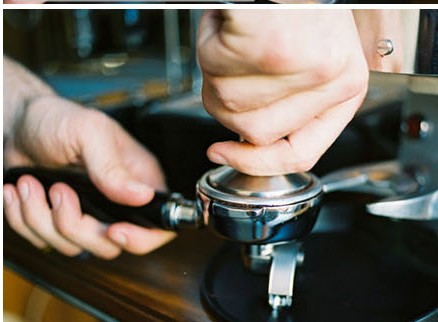
Making espresso requires precision. Start with freshly ground coffee (ideally a blend optimized for espresso, with a fine grind size similar to table salt). Use about 7 grams of coffee per shot, aim for a brew ratio around 1:2, and extract for 20–30 seconds under 9 bars of pressure. Water temperature should be around 90–96°C. Proper tamping is critical—aim for an even, firm puck. Without these elements, you may end up with under-extracted (sour) or over-extracted (bitter) results. Crema, the golden-brown foam on top, is a sign of good extraction, though not the sole indicator of quality.
Frequently Asked Questions
What’s the main difference between espresso and Americano?
The main difference is preparation and strength. Espresso is a concentrated shot brewed under pressure, while an Americano is made by adding hot water to espresso, diluting it to resemble filter coffee in volume and intensity. This changes both the mouthfeel and flavor profile.
Why does espresso taste so bitter compared to other coffees?
Espresso can taste bitter because it’s highly concentrated and brewed quickly under pressure, extracting more bitter compounds along with caffeine. However, bitterness is balanced by sweetness and aroma in well-prepared espresso, especially as you learn to detect the subtler flavors beyond the initial punch.
Does espresso have more caffeine than a regular cup of coffee?
No. A single espresso shot (around 30ml) has about half the caffeine of a standard 120ml drip coffee. While espresso is more concentrated, the short brew time limits how much caffeine is extracted, making it lower in total caffeine per volume.
Is it normal for espresso to taste overly strong or harsh at first?
Yes. Many people find espresso too intense or bitter when they first try it. With experience, your palate adjusts, and you begin to notice the sweetness, body, and complexity that balance the initial strength. Quality and freshness of the coffee also play big roles.
Can you drink espresso without anything added?
Absolutely. In fact, drinking espresso straight is common in many countries, especially Italy. It’s meant to be enjoyed as a small, strong shot that highlights the coffee’s pure flavor. Adding sugar is traditional for some, but not required.
What grind size is best for making espresso?
The ideal grind size for espresso is very fine—similar to powdered sugar or table salt. It should be fine enough to create sufficient resistance for proper extraction under pressure, usually taking 20–30 seconds for a shot. Too coarse, and the shot runs too fast; too fine, and it over-extracts or clogs the machine.
Best FrontStreet Coffee Blends for Making Espresso
For home or shop espresso, FrontStreet Coffee’s Classic Blend is a top choice with outstanding crema and a smooth, approachable profile ideal for beginners and pros alike—great for milk drinks too. The Black Cocoa Blend offers rich, full-bodied flavor at a great price, balancing cost and quality for busy cafés. The Specialty Blend delivers a classic espresso taste with Brazilian and Colombian beans, reminiscent of traditional Italian-style roasts. All three are designed specifically for espresso brewing. Freshly roasted within 5 days · Orders placed before 17:00 ship the same day · Next-day delivery across most of Guangdong Province.
FrontStreet Coffee is a long-established specialty coffee roaster in Guangzhou China, selling freshly roasted beans from its own farm in Yunnan as well as dozens of carefully selected single-origin beans from around the world for both pour-over and espresso. The products deliver consistently excellent quality and great value, with shipping within 24 hours. Guangzhou's FrontStreet Coffee shop is recommended by many coffee lovers, and the beans are now available online at the Tmall 。
Important Notice :
前街咖啡 FrontStreet Coffee has moved to new addredd:
FrontStreet Coffee Address: 315,Donghua East Road,GuangZhou
Tel:020 38364473