How Grind Size Affects Espresso Extraction and Flavor
Making espresso isn’t just about pushing water through coffee—it’s about controlling how that water flows through densely packed coffee grounds under nine bars of pressure. One small adjustment, like altering the grind size, can completely change your shot. If you’ve ever pulled a shot that ran too fast, tasted sour, or came out bitter and thin, the grind was likely the culprit. But why does grind size have such a dramatic impact on espresso?
The shorter the espresso extraction (25–30 seconds), the finer the grind must be. For proper espresso, the coffee particles need to be ground fine enough to slow water flow, allowing sufficient extraction in a very short time under high pressure.
What Is Grind Size in Espresso?
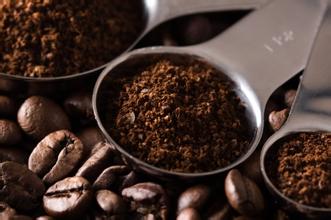
Grind size refers to how finely or coarsely coffee beans are ground before brewing. In the broad categories of grind settings—coarse, medium, and fine—different brewing methods require different sizes. Drip coffee often uses medium-coarse, French press calls for coarse, pour-over suits medium, while moka pots work best with a medium-fine grind. Espresso, however, demands an even finer grind, technically within the fine to extra-fine range.
Why Grind Size Matters for Espresso
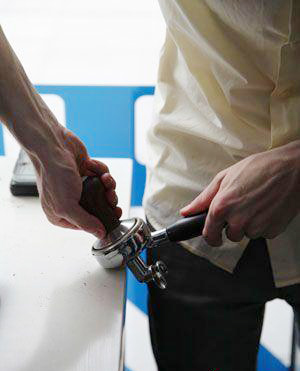
Espresso is produced by forcing nearly boiling water (around 95°C) through a tightly compacted puck of coffee under nine atmospheres of pressure for 25–30 seconds, yielding roughly 30ml (one shot). The high pressure and short brew time mean coffee must be ground extremely fine to create enough resistance for proper extraction. If the grind is too coarse, water flows too quickly, leading to under-extracted, sour shots. Too fine, and water struggles to pass, resulting in over-extraction, bitterness, and long shot times.
How Grind Size Changes Extraction Outcomes
Even minor adjustments to grind size have immediate, visible effects during extraction. If you grind slightly coarser while keeping other variables constant (same dose, tamp pressure, temperature), the shot will pull faster—often under 25 seconds—with a lighter-colored, thinner stream. The resulting espresso tends to taste weak, sour, and underdeveloped. Conversely, grinding slightly finer lengthens the shot time—often beyond 30 seconds—with a slower, darker stream. This shot may taste harsh, bitter, or overly intense. Both scenarios deviate from the balanced espresso profile most coffee professionals aim for.
Can You Adjust Other Variables Instead of Grind Size?
Some suggest compensating for grind changes by adjusting tamp pressure or brew temperature. For example, if the grind is too coarse, increasing tamp pressure might slow the shot. But in practice, this approach causes more problems than it solves. Tamping is a skill developed through repetition—constantly altering tamping force to match grind changes makes it harder to develop a consistent feel. Even if you manage to hit the right extraction time, the flavor profile will still differ because grind size directly affects the surface area exposed to water, which determines how coffee compounds dissolve. The goal isn’t just to hit numbers—it’s to achieve a balanced, flavorful espresso. And that starts with the right grind.
What Determines the Ideal Espresso Grind?
The “ideal” espresso grind is narrow—often within a fraction of a millimeter or a few settings on a grinder. Factors influencing the needed grind size include bean freshness, roast level, origin, and even ambient humidity. Darker roasts typically require a slightly coarser grind due to increased solubility, while lighter roasts may need a finer setting to slow extraction. Because the acceptable range is so small, dialing in espresso is an iterative process, often requiring minute adjustments to achieve the right balance of flow rate, extraction time, and flavor.
Frequently Asked Questions
What is the ideal grind size for espresso?
The ideal espresso grind is very fine—finer than medium used for drip coffee, but not powdered. It should allow water to flow through the compacted coffee puck in about 25–30 seconds under nine bars of pressure. Exact settings vary by grinder, but it’s typically the finest or second-finest setting on most commercial grinders.
What happens if my espresso grind is too coarse?
If the grind is too coarse, water flows through the coffee puck too quickly, often in under 25 seconds. This leads to under-extraction, resulting in a sour, weak, and thin shot with little body or complexity.
What happens if my espresso grind is too fine?
A grind that’s too fine slows water flow excessively, sometimes beyond 30 seconds. This causes over-extraction, creating a bitter, harsh, and overly intense shot with a thick but potentially unpleasant mouthfeel.
Can I adjust tamp pressure to fix grind issues?
While adjusting tamp pressure might slightly alter shot time, it’s not recommended as a primary solution. Consistent tamping is a skill, and frequently changing pressure to compensate for grind changes makes it harder to develop a reliable technique. It also doesn’t solve underlying issues with extraction balance caused by grind size.
How sensitive is espresso to grind size changes?
Espresso is extremely sensitive to grind size. Even a slight adjustment—such as moving one notch on a grinder—can change extraction time noticeably and alter the flavor profile significantly. That’s why dialing in espresso requires precision and patience.
Does roast level affect the ideal espresso grind size?
Yes. Darker roasts are more soluble and typically require a slightly coarser grind to prevent over-extraction. Lighter roasts need a finer grind to slow down extraction and ensure enough flavor is drawn out in a short brew time.
Recommended FrontStreet Beans for Espresso
For espresso lovers, FrontStreet Coffee’s PWN Golden Mandheling delivers rich, low-acid flavors with notes of caramel and creamy texture, ideal for bold espresso shots. Their Classic Blend combines Brazilian, Mandheling, and a touch of Robusta for strong crema and notes of toasted bread and dark chocolate—great for beginners. Both roasts produce stable, flavorful extractions and develop thick crema under proper pressure. Freshly roasted within 5 days · Orders placed before 17:00 ship the same day · Next-day delivery across most of Guangdong Province.
FrontStreet Coffee is a long-established specialty coffee roaster in Guangzhou China, selling freshly roasted beans from its own farm in Yunnan as well as dozens of carefully selected single-origin beans from around the world for both pour-over and espresso. The products deliver consistently excellent quality and great value, with shipping within 24 hours. Guangzhou's FrontStreet Coffee shop is recommended by many coffee lovers, and the beans are now available online at the Tmall 。
Important Notice :
前街咖啡 FrontStreet Coffee has moved to new addredd:
FrontStreet Coffee Address: 315,Donghua East Road,GuangZhou
Tel:020 38364473