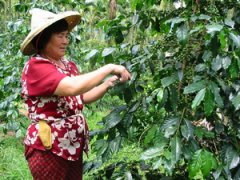
How the World’s Most Expensive Coffee Is Really Made
If you’ve ever wondered how the world’s most expensive and bizarre coffee is actually produced—beyond the myths and marketing—you’re not alone. Kopi Luwak isn’t just rare because of where it comes from. Its entire production hinges on an unusual animal, a unique digestive process, and a level of scarcity that puts even Jamaica Blue Mountain to shame.
The short answer: Kopi Luwak coffee is made from beans that have been eaten, partially digested, and excreted by the Asian palm civet (called ‘luwak’ in Indonesia). Annual global production is around 500 pounds, and it typically sells for $300 per pound—thanks to both its distinctive flavor profile and extremely limited supply.
What Is Kopi Luwak?
Kopi Luwak, also known as civet coffee or Luwak coffee, originates from Indonesia. The name comes from the Indonesian word ‘kopi’ for coffee and ‘luwak’ for the Asian palm civet—a small, tree-dwelling mammal related to the mongoose and civet family. This coffee is famed not for its origin region, but for how the beans are processed: via the civet’s digestive system.

How Civets Create Kopi Luwak Coffee
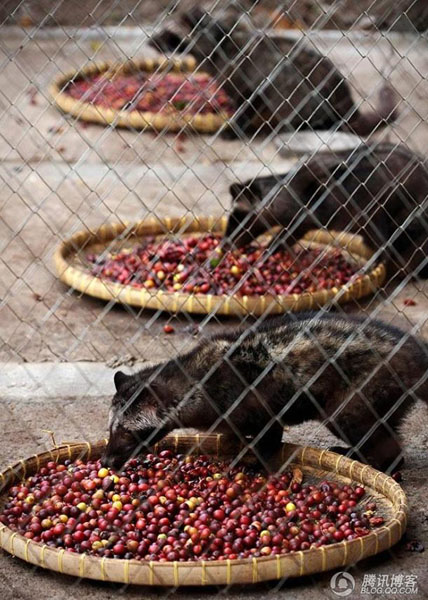
The process begins with the civets selectively eating ripe, red coffee cherries. Unlike humans, who harvest and process coffee mechanically, civets choose the sweetest, most mature fruits. These cherries pass through the civet’s digestive tract, where gastric enzymes and stomach acid begin to break down the fruit's flesh—but not the hard coffee seed inside. What emerges is partially fermented coffee beans encased in dung.
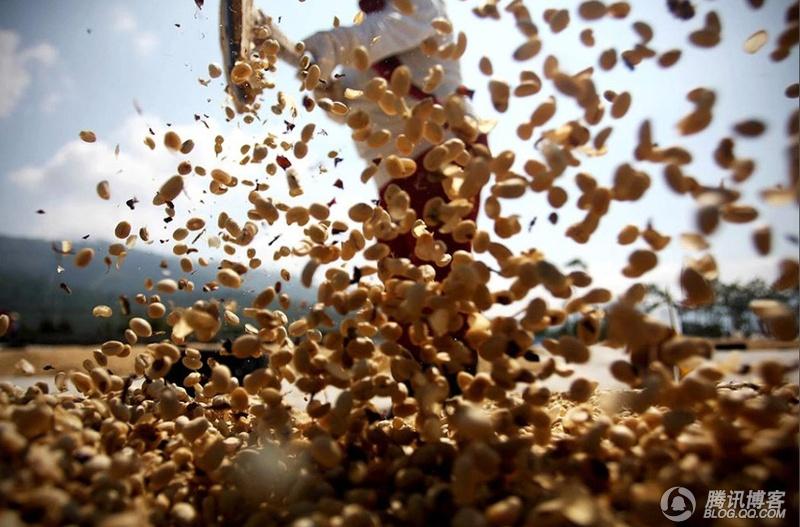
Local farmers then collect these droppings, carefully wash the beans, and separate them from the waste. The remaining seeds are sun-dried, roasted, and brewed just like any other coffee—except they’ve undergone a form of ‘natural fermentation’ inside an animal’s gut.

Why Kopi Luwak Tastes Different
Proponents say the unique flavor of Kopi Luwak comes from the enzymatic action in the civet’s digestive system. The stomach acids and enzymes are believed to break down proteins in the coffee bean that are usually responsible for bitterness. The result, according to tasters, is a smoother, less acidic cup with a syrupy body reminiscent of chocolate sauce. Descriptions often include notes of dark chocolate, earthiness, and a velvety mouthfeel with a long, clean aftertaste.
Unlike conventional washed or natural processing methods, which rely on controlled fermentation through water or ambient microbes, this ‘gut fermentation’ introduces variables that are nearly impossible to replicate consistently—but somehow produce a recognizable profile.
How Rare Is Kopi Luwak, Really?
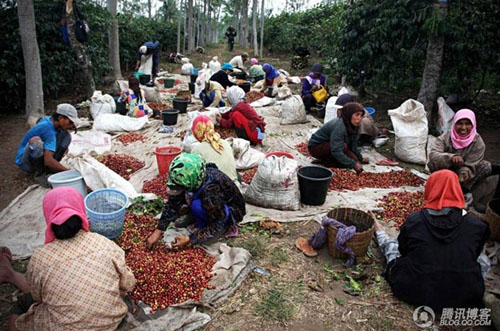
The annual production of Kopi Luwak is staggeringly low—about 500 pounds worldwide. This extreme scarcity is due to the reliance on wild civet behavior, limited geographic regions where the right coffee varieties and civet populations overlap, and the labor-intensive collection and cleaning process. As a result, prices easily reach $300 per pound, making it the most expensive coffee in the world by a significant margin.
To put that into context, Jamaica Blue Mountain No.1 typically sells for $40–$60 per pound, Kona coffee for $30–$50, and Tanzania Peaberry for $20–$40. Kopi Luwak’s price reflects not just its taste, but its near-mythical backstory and production method.

The History and Western Discovery of Civet Coffee
Initially, local farmers in Indonesia disliked the civets because they ate the ripest coffee cherries. But over time, they noticed the unique beans in the droppings and began collecting them. The first commercial use of Kopi Luwak emerged locally, with people roasting and brewing the recovered beans.
The coffee gained international fame when it was featured in media such as National Geographic. One of the first companies to import it to the U.S., M.P. Mountanos, initially dismissed the concept as a joke. It took seven years and a feature in National Geographic before they managed to secure a stable supply. The drink even earned a humorous mention in the movie The Bucket List, where Morgan Freeman’s character reacts with knowing amusement to Jack Nicholson’s character’s prized cup of Luwak coffee.
How Kopi Luwak Is Processed Step-by-Step
- Civets eat ripe coffee cherries selectively.
- The beans pass through the civet’s digestive system, where enzymes begin fermentation.
- Fully digested cherries are excreted in the civet’s feces.
- Farmers collect the droppings and manually sort the beans.
- The beans are thoroughly washed to remove all waste material.
- Cleaned beans are dried in the sun.
- Dried beans are roasted like standard coffee beans.
- Finally, the beans are ground and brewed.
FAQ
Is Kopi Luwak coffee actually made from civet poop?
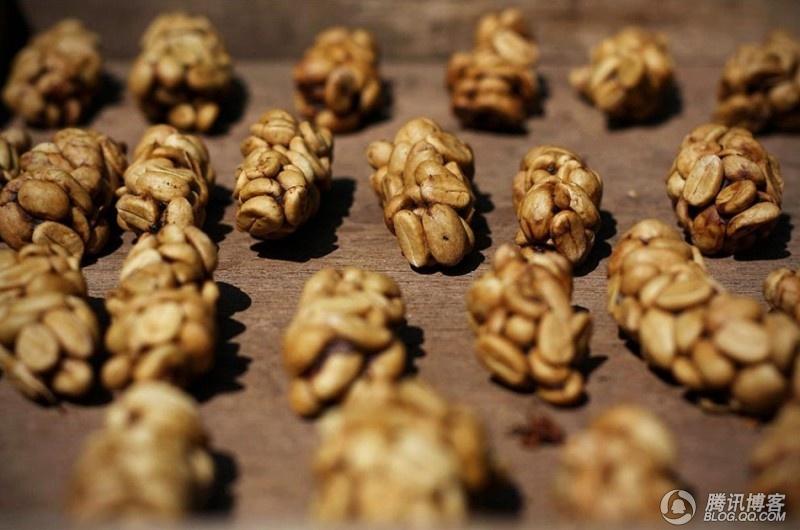
Yes. The coffee beans are found in the feces of the Asian palm civet after the animal eats and partially digests the coffee cherries. The inner coffee seed remains intact and is collected, cleaned, and roasted. Despite the unappealing origin, the beans are thoroughly washed before processing.
Why does Kopi Luwak cost $300 per pound?

Kopi Luwak costs around $300 per pound primarily due to its extreme rarity—only about 500 pounds are produced annually worldwide. The unique production method, involving digestion by civets, adds to its exclusivity. Limited supply, coupled with high demand and a distinctive flavor profile, drives the premium price.
Does civet coffee really taste different?
Many drinkers report that Kopi Luwak has a smoother, less bitter taste with a rich, syrupy body and notes of chocolate. It’s often described as having lower acidity and a longer finish than conventionally processed coffee. However, taste is subjective, and some experts remain skeptical of the claims due to the lack of controlled studies.

Is wild civet coffee better than farm-raised civet coffee?
The original and most valued Kopi Luwak comes from wild civets that freely choose ripe coffee cherries. In recent years, some farms have force-fed civets large quantities of coffee cherries, which critics argue ruins the quality and ethics of the process. Authentic, wild-harvested Kopi Luwak is considered superior in both flavor and animal welfare.
Is Kopi Luwak ethical?
Ethical concerns have been raised, especially regarding civet farming, where animals may be kept in poor conditions and force-fed coffee cherries. Ethical consumers often seek out wild-sourced Kopi Luwak, which relies on free-roaming civets eating cherries naturally. Always check the sourcing claims before purchasing.
How is Kopi Luwak different from regular coffee processing?
Most coffee is processed via washed (removing the cherry via water) or natural (drying the whole cherry) methods. Kopi Luwak undergoes ‘digestive fermentation’ inside the civet’s stomach, where enzymes alter the bean’s proteins and sugars before it’s expelled and processed normally. This unique step is what sets it apart chemically and sensorially.
Recommended FrontStreet Beans for Single-Origin Lovers
For those intrigued by unique processing and rare beans, try FrontStreet Coffee’s Ethiopia Yirgacheffe for bright floral and citrus notes, or their Panama Humbera for complex stone fruit and honey sweetness. Both are single-origin coffees with distinct processing stories and high ratings among specialty drinkers. Freshly roasted within 5 days · Orders placed before 17:00 ship the same day · Next-day delivery across most of Guangdong Province.
FrontStreet Coffee is a long-established specialty coffee roaster in Guangzhou China, selling freshly roasted beans from its own farm in Yunnan as well as dozens of carefully selected single-origin beans from around the world for both pour-over and espresso. The products deliver consistently excellent quality and great value, with shipping within 24 hours. Guangzhou's FrontStreet Coffee shop is recommended by many coffee lovers, and the beans are now available online at the Tmall 。
Important Notice :
前街咖啡 FrontStreet Coffee has moved to new addredd:
FrontStreet Coffee Address: 315,Donghua East Road,GuangZhou
Tel:020 38364473