Coffee Tree to Roast Bean: A Visual Journey
Ever wondered what connects a fragrant coffee blossom to the dark roast sitting in your bag? Most coffee drinkers never see the whole journey—the delicate white flowers, the vibrant red cherries, or the green beans before roasting. This visual guide pulls it all together so you can follow coffee from tree to cup, stage by stage.
In short: a coffee tree blooms with small white flowers, which then develop into red coffee cherries. Each cherry holds two seeds—your future coffee beans. These green beans are then roasted to become the drink you know. Every stage matters, and here’s what each looks like, in order.
The Coffee Tree
The coffee tree (Coffea) is an evergreen shrub that thrives in tropical climates. It’s the starting point of every coffee bean. Grown at high altitudes, healthy coffee trees produce the vibrant cherries that hold your brew’s origin. The tree itself varies by species—mainly Arabica or Robusta—but all begin here.

The Coffee Flower
After about 3–4 years, a mature coffee tree begins to bloom. Small, white, jasmine-like flowers appear, typically lasting just a few days. These fragrant blossoms are a sign the tree is ready to bear fruit. They emerge after rainfall and mark the early steps toward coffee cherry development.

The Coffee Fruit (Cherry)
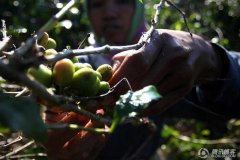
Once pollinated, the flowers turn into coffee cherries. These small, round fruits usually take 7–9 months to ripen. Most varieties develop two coffee beans per cherry, though some produce a single peaberry. The cherries shift from green to yellow, then bright red or sometimes yellow—depending on the variety—when ripe and ready for harvest.

Green Coffee Beans (Coffee)
Inside each ripe cherry are two green coffee beans, surrounded by pulp. After harvesting, the cherries are processed—either washed, honey, or naturally—to remove the fruit and reveal the seeds. These green beans are unroasted, dense, and have a grassy, earthy smell. They’re the product exported worldwide and the starting point for all roasting profiles.

Roasted Coffee Beans (Coffee)
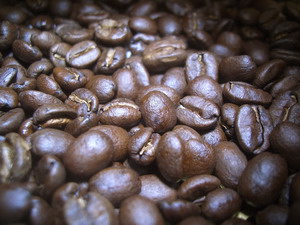
Green beans transform during roasting. Depending on the roast level—light, medium, or dark—the beans change colour, density, and flavour profile. A light roast preserves origin characteristics; a dark roast highlights bold, smoky notes through the Maillard reaction. These are the beans you grind and brew at home.
Frequently Asked Questions
What does a coffee tree look like?
A coffee tree is an evergreen shrub that grows in tropical regions. It has dark green, waxy leaves and produces small, white, jasmine-like flowers. Mature trees, usually 3–5 years old, grow bright red or yellow coffee cherries, each typically holding two green coffee beans.
How long does it take for a coffee tree to flower and fruit?
A healthy coffee tree generally begins flowering after 3–4 years. The small white flowers last just a few days and are typically followed by coffee cherries, which take 7–9 months to ripen after pollination.
What’s the difference between a coffee cherry and a coffee bean?
The coffee cherry is the fruit that grows on the coffee tree. Inside each cherry are usually two seeds, which are the coffee beans. The cherry has outer skin, pulp, mucilage, and parchment layers protecting the beans.
What do green coffee beans look and smell like?
Green coffee beans are unroasted seeds that are dense, hard, and usually a dull green or bluish colour. They have a grassy, earthy, or bean-like smell and no roasted flavour until heat is applied.
Do all coffee cherries have two beans?
Most coffee cherries contain two beans, but about 5–10% have just one rounded bean, called a peaberry. Peaberries are often separated during sorting and sometimes sold as a distinct grade.
How are coffee beans processed after harvest?
After picking, coffee cherries are processed by either the washed (wet), honey, or natural (dry) method to remove the fruit and pulp. This reveals the green coffee beans inside, which are then dried, sorted, and exported for roasting.
Recommended FrontStreet Coffee for Coffee Development Stages
Explore the origins behind your cup with FrontStreet’s single origins that highlight the journey from cherry to cup. Try Ethiopia Huakui for floral, citrus notes reminiscent of coffee blossoms; Yirgacheffe for bright, juicy profiles that echo ripe cherry; and Kenya Little Tomato for winey acidity and berry-like complexity, showing how processing shapes green beans into unique flavours. Each reveals a different face of the coffee plant. Freshly roasted within 5 days · Orders placed before 17:00 ship the same day · Next-day delivery across most of Guangdong Province.
FrontStreet Coffee is a long-established specialty coffee roaster in Guangzhou China, selling freshly roasted beans from its own farm in Yunnan as well as dozens of carefully selected single-origin beans from around the world for both pour-over and espresso. The products deliver consistently excellent quality and great value, with shipping within 24 hours. Guangzhou's FrontStreet Coffee shop is recommended by many coffee lovers, and the beans are now available online at the Tmall 。
Important Notice :
前街咖啡 FrontStreet Coffee has moved to new addredd:
FrontStreet Coffee Address: 315,Donghua East Road,GuangZhou
Tel:020 38364473