What Makes Guatemalan Coffee Special? Quality Explained
If you’ve ever sipped a rich, complex cup of coffee with wine-like acidity and hints of spice, there’s a chance it came from Guatemala. But what gives Guatemalan coffee its signature profile—and has its reputation recovered after past declines? This article explores the facts behind Guatemala’s coffee quality, origin regions, and current challenges.
Yes—Guatemalan coffee is still considered high-quality, especially its Strictly Hard Bean (SHB) grade grown above 1,350 meters. SHB beans are known for their dense, well-balanced profiles with bright acidity and spicy, sometimes tobacco-like flavors. The country also produces some of the largest coffee beans in the world, adding to its distinction.
The Origins and History of Guatemalan Coffee
Coffee was introduced to Guatemala in 1750 by Jesuit priests. By the late 19th century, German settlers helped develop a structured coffee industry. Today, much of Guatemala’s coffee production takes place in the southern highlands, particularly along the slopes of the Sierra Madre volcanoes. These volcanic, high-altitude regions offer ideal growing conditions for cultivating premium coffee.
Historically, Guatemalan coffee enjoyed global acclaim for its excellence. However, political instability and economic pressures at times undermined quality. In recent years, efforts have been made to restore its former prestige, especially through targeted support for smallholder farmers.
Production Challenges and Regional Highlights
Guatemala currently produces around 700 kilograms of coffee per hectare—lower than El Salvador’s 900 kg/ha and Costa Rica’s impressive 1,700 kg/ha. Despite lower yields, Guatemalan coffee remains significant both domestically and internationally. The national coffee industry is mainly managed by private exporters, while the state-run Asociacion Nacional de Cafe oversees regulation and development.
Some of the country’s finest beans are exported to Japan, where they can command prices of $3–$4 per cup. Notable regions include:
- Lake Atitlan
- Huehuetenango
- Antigua (especially the Hacienda Carmona estate, home to the premium El Pulcal variety)
- San Marcos
- Oriente & Coban
- Palcya
- Mataquescuintla
- La Uman in Zacapa
Volcanic soil from periodic eruptions—occurring roughly every 30 years in areas like Antigua—enriches the land with nitrogen. Combined with consistent rainfall and sunshine, these factors make regions like Antigua exceptionally well-suited for coffee cultivation.
Focus on Quality: Varieties, Processing, and Smallholders
Guatemala is recognized for producing large coffee beans, a trait that draws attention from specialty roasters. Among its cultivated varieties, Bourbon trees are especially valued. Though traditional Bourbon plants grow taller and yield fewer cherries compared to modern dwarf hybrids, they produce beans with superior cup quality preferred by specialty buyers.
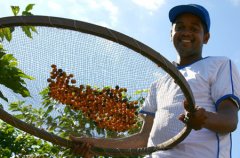
A major challenge has been the tendency toward high-volume, low-quality production. Many small-scale producers, often descendants of the Maya, sell their cherries to middlemen rather than processing them locally. To counter this, a $2.5 million U.S.-funded project—locally referred to as “The Project”—aims to:
- Encourage the development of small, high-quality farms
- Improve farming practices
- Promote on-site processing to increase bean value and quality
This initiative also supports the establishment of local processing facilities, helping farmers capture more of the value chain. The Specialty Coffee Association’s involvement signals growing government interest in elevating the country’s coffee standards.

Frequently Asked Questions
What is Special Hard Bean (SHB) coffee in Guatemala?
Strictly Hard Bean (SHB) refers to Guatemalan coffee grown at elevations above 1,350 meters. These beans are denser, mature more slowly, and typically produce a more balanced, complex cup with higher acidity and pronounced flavor notes such as spice, fruit, or chocolate.
Which region in Guatemala produces the best coffee?
Antigua is widely regarded as Guatemala’s top coffee-growing region due to its volcanic soil enriched by periodic eruptions, ideal climate, and high-altitude conditions. Other notable regions include Huehuetenango, Lake Atitlan, and San Marcos.
Why are Guatemalan coffee beans often larger than others?
Guatemalan beans are sometimes notably larger due to both genetic variety and growing conditions. The country is known for producing some of the biggest coffee beans globally, which can impact roast profiles and visual appeal.
What coffee varieties are common in Guatemala?
Bourbon is one of the most prized varieties grown in Guatemala. Though traditional Bourbon trees are less productive than newer dwarf hybrids, they are favored for their superior cup quality and are highly regarded by specialty roasters.
How has Guatemala worked to improve its coffee quality?
Efforts include government regulation via the Asociacion Nacional de Cafe, support for smallholder farmers, a $2.5 million U.S.-funded quality improvement project, and encouragement of local coffee processing to add value and improve cup quality.
Where does Guatemalan coffee rank among other origins?
While Guatemala doesn’t match the per-hectare yield of countries like Costa Rica or El Salvador, it remains a respected origin known for high-quality SHB beans, distinctive flavor profiles, and strong specialty coffee potential.
Recommended FrontStreet Beans from Guatemala
Try the FrontStreet Guatemala Antigua – a classic SHB coffee with bright acidity, medium body, and notes of spice, dark chocolate, and citrus. For something more unique, the FrontStreet Huehuetenango offers floral and fruity tones with a crisp, clean finish. Both are excellent representations of Guatemala’s high-altitude terroir. Freshly roasted within 5 days · Orders placed before 17:00 ship the same day · Next-day delivery across most of Guangdong Province.
FrontStreet Coffee is a long-established specialty coffee roaster in Guangzhou China, selling freshly roasted beans from its own farm in Yunnan as well as dozens of carefully selected single-origin beans from around the world for both pour-over and espresso. The products deliver consistently excellent quality and great value, with shipping within 24 hours. Guangzhou's FrontStreet Coffee shop is recommended by many coffee lovers, and the beans are now available online at the Tmall 。
Important Notice :
前街咖啡 FrontStreet Coffee has moved to new addredd:
FrontStreet Coffee Address: 315,Donghua East Road,GuangZhou
Tel:020 38364473