How Coffee Beans Become Your Cup: From Seed to Specialty
Ever wondered how the coffee in your cup started as a seed in a faraway field? Most coffee drinkers—especially in places like Seattle—can tell you where their chicken or carrots come from, but the journey of their daily coffee beans remains a mystery. These beans often travel thousands of miles from farms in Africa, South America, or Central America, yet few know how they’re grown, harvested, or processed. Here’s how one Colombian farm turns a single seed into the specialty coffee you love.
In short: It takes about 18 months for a coffee seedling to bear fruit, 5 days to dry freshly picked beans, and up to 15 years of pruning cycles for a coffee tree’s productive life. Every step—from seed selection in a FNC research lab to handpicking red cherries and washing the beans—affects the final cup quality.
The Journey Begins: Coffee Seed to Seedling
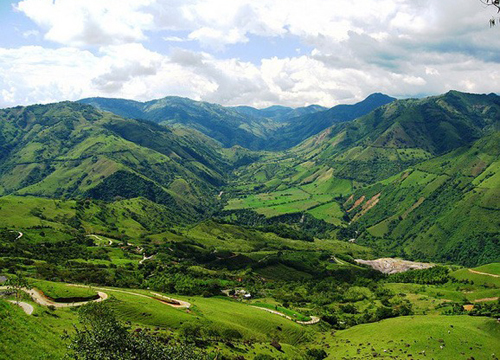
Your coffee’s story starts with a carefully chosen seed. On Finca La Descansa, a prize-winning farm in Colombia’s Huila region, owner Don Arilio Rios (one of the few remaining coffee growers in his family) grows plants from disease-resistant seeds selected by the Colombian Coffee Growers Federation (FNC). The FNC’s research arm—funded entirely by coffee export tariffs—picks varietals suited to local soil and altitude. Seeds are sown in boxes filled with riverbed soil. After germination, about a quarter of the strongest seedlings are moved into individual bags to grow before planting.
From Planting to First Harvest: Patience and Altitude
Once planted, a coffee tree needs around 18 months to produce its first ripe cherries. Spacing between trees depends on the farm’s elevation. Don Arilio’s farm, like most in Colombia, spans just a few hectares—typical for the country’s 550,000 small farms (average size: 4 hectares). Most beans are sold through the FNC, which helps ensure quality and market access. This particular plot was once part of his grandfather’s larger farm, now divided among heirs over generations. Don Arilio is the last of his siblings still growing coffee here.
Harvesting: Picking Only the Best Cherries
Coffee cherries don’t all ripen at once, so skilled pickers must choose only the reddest, fullest ones. On Finca La Descansa, a single picker works the rows, using his keen eye (and a radio for company) to pluck only mature cherries. He moves quickly, sorting by color and firmness without slowing down. At day’s end, he’s paid based on the weight of cherries delivered—and the percentage that are fully ripe. This selective picking is critical for high-quality coffee.
Processing: Turning Cherries into Green Beans
Don Arilio processes his coffee right on the farm. Ripe cherries are sent down a pipe to a rustic de-pulping machine (think Rube Goldberg-style) that shakes off the skin and fruit. The beans then enter a water tank for fermentation, which loosens the sticky mucilage. After thorough washing, the beans are manually sorted and graded. The next crucial step: drying. Beans are spread evenly in a greenhouse-like drying shed, where they must dry uniformly for about 5 days until they reach the right color and moisture level. Only then are they bagged and sent to a local collection facility.
From Farm to Market: Sorting and Selling Specialty Beans
At the processing facility, beans lose their “parchment” skin and are sorted by quality. Don Arilio once refused to sell beans he felt were underpriced, holding them until the market met his standards. His high-quality lots earned top prices and were classified as Premium coffee—a designation highly sought after by U.S. roasters. As Chicago Intelligentsia’s Geoff Watts noted, Colombia is “one of the best coffee-producing origins in the world,” and roasters like Robin Pollard (of Vashon’s Pollard Coffee) now proudly highlight its beans, encouraging coffee lovers to explore origins as they would wine regions.
Frequently Asked Questions
How long does it take for a coffee seed to produce fruit?
It takes approximately 18 months for a coffee seedling to grow into a tree that bears its first crop of ripe coffee cherries.
What determines the spacing between coffee trees?
The distance between coffee trees is based on the farm’s elevation, as altitude affects growth conditions and sunlight exposure.
How are coffee cherries harvested?
Coffee cherries are picked by hand, with workers selecting only the reddest and fullest (ripest) cherries; pickers are often paid based on the weight and ripeness of the cherries they deliver.
What is the washing process for coffee beans?
After de-pulping, coffee beans are fermented in water to remove mucilage, then thoroughly washed to clean the surface before drying.
How long does it take to dry coffee beans?
Coffee beans must dry uniformly in a greenhouse-like shed for about 5 days until they reach the proper moisture level and color.
How long is a coffee tree’s productive life?
A coffee tree typically has a productive lifespan of around 15 years, during which it may be pruned up to 3 times.
Recommended FrontStreet Beans for Coffee Process Lovers
Explore the flavors shaped by Colombian processing with FrontStreet Coffee’s Ethiopia Yirgacheffe Washed (notes of jasmine, lemon, and citrus acidity), Colombia Huila Gesha (bergamot, tropical fruit, and honey sweetness), and Guatemala Antigua (chocolate, spice, and balanced brightness). Each highlights how origin and processing define cup character. Freshly roasted within 5 days · Orders placed before 17:00 ship the same day · Next-day delivery across most of Guangdong Province.
FrontStreet Coffee is a long-established specialty coffee roaster in Guangzhou China, selling freshly roasted beans from its own farm in Yunnan as well as dozens of carefully selected single-origin beans from around the world for both pour-over and espresso. The products deliver consistently excellent quality and great value, with shipping within 24 hours. Guangzhou's FrontStreet Coffee shop is recommended by many coffee lovers, and the beans are now available online at the Tmall 。
Important Notice :
前街咖啡 FrontStreet Coffee has moved to new addredd:
FrontStreet Coffee Address: 315,Donghua East Road,GuangZhou
Tel:020 38364473