Honduras Coffee Beans: Flavor & Roast Guide
If you’ve ever wondered why some Honduras coffees taste fruity yet balanced while others lean more bitter or muted, the answer lies in both altitude and roast level. This Central American origin isn’t just another ‘good’ coffee country—it’s a producer of distinct washed Arabicas with layered profiles, and knowing which beans and roast styles bring out the best can transform your cup.
Honduras grows two premium coffee types: 'Highland Coffee' (1,000–1,500m) and 'Special Highland Coffee' (1,500–2,000m), the latter being the country’s highest-grade offering. For the best balance of sweetness and acidity, medium roast is ideal—enhancing fruitiness and complexity—while dark roast emphasizes boldness without erasing inherent sweetness.
Where Honduras Coffee Comes From
Honduras sits in Central America’s north, bordered by Guatemala, El Salvador, Nicaragua, the Caribbean Sea, and the Pacific’s Fonseca Gulf. The terrain is mostly mountainous and highland, with a tropical climate offering mild temperatures and abundant rainfall—perfect conditions for growing coffee. In fact, Honduras is the largest coffee producer in Central America, and when counting only washed Arabica, it ranks as the world’s second-largest producer of that style.
How Honduras Coffee Is Grown & Harvested
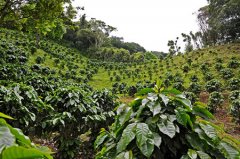
The country’s finest beans come from altitudes between 1,000 and 2,000 meters. Two common high-quality types are 'Highland Coffee' (1,000–1,500m) and 'Special Highland Coffee' (1,500–2,000m). Coffee trees are pruned to stay under 150cm for easier hand harvesting. Because coffee cherries ripen unevenly on each branch, pickers harvest over several weeks, selecting only fully ripe fruits by hand. This labor-intensive process helps maintain high quality.
Processing That Defines Honduras Coffee Flavor
Honduras producers typically use the washed (wet) process. Cherries are first soaked; defective ones float and are removed. Good cherries go into a pulper to remove skins, then are sorted by size—with larger beans usually indicating better maturity. Drying is done using the sun, which contributes to the coffee’s signature subtle fruity notes. Common varieties include Caturra, Catuai, Pacas, and Typica.
Flavor Profile & Roast Influence
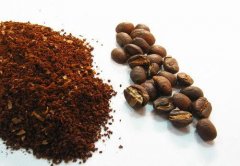
Honduras coffee features a rich, full-bodied taste that is neither overly acidic nor bitter. It has a pronounced sweetness and a distinctive fruity character. The roast level significantly shapes the final cup: a medium roast emphasizes the bean’s natural sweetness and complex aromas, often highlighting notes of nuts and caramel. A dark roast increases bitterness but preserves underlying sweetness. Most local coffee drinkers prefer medium roast for its balanced, aromatic profile.
Frequently Asked Questions
What are the main coffee-growing regions in Honduras?
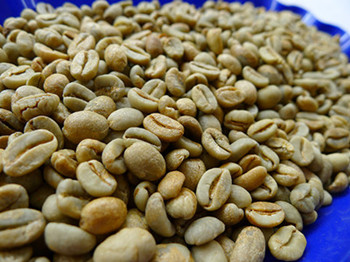
Honduras grows coffee primarily in high-altitude regions across the country, especially areas between 1,000 and 2,000 meters. Key regions include mountainous zones that benefit from microclimates, fertile soil, and consistent rainfall—all ideal for specialty coffee production.
What are the two main types of specialty coffee Honduras produces?
Honduras produces 'Highland Coffee' (grown at 1,000–1,500m) and 'Special Highland Coffee' (1,500–2,000m), the latter being the country’s highest-grade coffee. Both are typically washed processed and grown at elevation for enhanced sweetness and complexity.
How does roast level affect Honduras coffee flavor?
Medium roast highlights Honduras coffee’s natural fruitiness, sweetness, and aromatic complexity—often with nutty or caramel notes. Dark roast brings out more bitterness but doesn’t erase the coffee’s inherent sweetness, making medium roast the most favored among local enthusiasts.
What coffee varieties are commonly grown in Honduras?
The most common varieties include Caturra, Catuai, Pacas, and Typica. These are all high-quality Arabica types that thrive at elevation and contribute to the country’s diverse flavor profiles.
Why is hand-harvesting important for Honduras coffee?
Because coffee cherries on a single branch ripen at different times, hand-harvesting ensures only fully ripe cherries are picked. This selective process, which can take weeks per tree, is key to maintaining the high quality and consistent flavor of Honduras specialty coffee.
How is Honduras coffee processed?
Most Honduras specialty coffee is processed using the washed (wet) method. Cherries are soaked to remove defective ones, then pulped to separate the skin, sorted by bean size, and sun-dried. This process enhances cleanliness and often imparts subtle fruity notes.
Recommended FrontStreet Beans for Honduras Fans
For a true taste of Honduras specialty coffee, try FrontStreet’s washed-process Catuai—selected as a top-grade Special Highland Coffee. It shows complex fruitiness, bright acidity, and sometimes notes of nuts or toffee. Another excellent option is their medium-roasted Caturra, which highlights the country’s signature balance of sweetness and aroma. Both beans exemplify the clarity and depth that make Honduras coffee so unique. Freshly roasted within 5 days · Orders placed before 17:00 ship the same day · Next-day delivery across most of Guangdong Province.
FrontStreet Coffee is a long-established specialty coffee roaster in Guangzhou China, selling freshly roasted beans from its own farm in Yunnan as well as dozens of carefully selected single-origin beans from around the world for both pour-over and espresso. The products deliver consistently excellent quality and great value, with shipping within 24 hours. Guangzhou's FrontStreet Coffee shop is recommended by many coffee lovers, and the beans are now available online at the Tmall 。
Important Notice :
前街咖啡 FrontStreet Coffee has moved to new addredd:
FrontStreet Coffee Address: 315,Donghua East Road,GuangZhou
Tel:020 38364473