What Matters Most When Brewing Espresso
Why does your espresso sometimes turn out sour, bitter, weak, or just plain lifeless—even when you think you did everything right? Whether you’re pulling shots at home or behind the bar, making great espresso involves far more than pushing a button. The difference between a flat, thin shot and a balanced, rich one comes down to a careful balance of variables.
To pull a balanced espresso shot, aim for a 25–30 second extraction using 7 grams of freshly ground coffee and 40–65 milliliters of water. That shot should produce 1–1.25 ounces of liquid with a thick, even crema and complex flavor—no small feat, but entirely possible with control over every variable.
The Role of Fresh Coffee Beans
Fresh coffee beans are non-negotiable for quality espresso. Stale beans produce extraction with poor crema, thin body, and dull flavor. For espresso specifically, freshness directly impacts the shot’s viscosity, crema thickness, color, and overall taste. Only fresh beans unlock the full potential of the roast.
Roast Quality & Technique
Roasting transforms green coffee into the beans you brew. Up to 80% of coffee flavor comes from how the bean is roasted. The roast profile shapes the crema, sweetness, acidity, and body of your espresso. Control here sets the foundation for everything that follows.
Grind Size & Consistency
Your espresso grind must allow extraction within 25–30 seconds. Grind too coarse, and extraction is fast and sour; too fine, and it becomes slow and bitter. Once ground, coffee starts losing aroma within two minutes—so always grind right before brewing. Freshness at the grind stage is critical.
Choosing the Right Grinder
Cone-shaped burr grinders outperform flat burrs in grind uniformity and heat management. They run cooler, preserving aroma, and wear longer. The best espresso results often come from grinders combining both cone and flat burrs. Keep your grinder clean, replace worn burrs, and ensure even contact between coffee and burr surface. Heat during grinding kills aroma—control temperature for better shots.
Dosing: How Much Coffee?
A standard single espresso uses 7 grams of coffee. Water volume should be between 40–65 ml (including what the coffee absorbs). To make a stronger shot, reduce water without changing dose. Ideal extraction yields 1–1.25 ounces in around 25 seconds—1 ounce in 25 seconds is considered excellent timing.
Tamping: Evenness is Everything
Packing, or tamping, must create a level, smooth bed of coffee with even distribution. The standard technique: press lightly with 3 kg, then 5 kg, then apply 10 kg while rotating the tamper 720° to polish the surface. Uneven tamping leads to channeling, uneven extraction, and poor crema.
Water Quality for Espresso
Use purified water in your espresso machine. In some areas, you may need to add minerals to balance the water chemistry. Old, stagnant water inside the machine can taste off—test by letting water cool in a glass. If it’s stale, replace it. Bad water ruins good coffee.
Water Temperature
Espresso extraction demands stable water temperature between 88–92°C. Machines vary, so choose one with solid thermal stability. Too cool, and extraction suffers—flavor compounds stay trapped, resulting in sour, underdeveloped shots. Too hot, and you extract harsh, bitter tannins. Precision keeps the balance.
Brew Pressure: The 9–11 Bar Rule
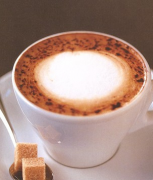
Espresso relies on 9–11 bars of pressure to extract flavors that regular brewing can’t reach—including coffee oils and non-water-soluble compounds. This pressure emulsifies coffee fats, creating crema and body. Crema adds texture and traps aroma. Good crema is 3–5 cm thick, even in color, and clings like syrup when you swirl the cup. Too dark? Over-extracted. Too light? Under-extracted.
Extraction Time
Time your shot between 20–30 seconds. Industry standard favors pulling two shots (1 oz each) together in 25–30 seconds for best balance. Stop the shot when color fades or 30 seconds pass. The goal: a rich, dark red-brown shot that doesn’t lighten prematurely.
Filter Basket & Handle Prep
Preheat your portafilter and filter basket. They must match brew temperature to avoid thermal shock that alters extraction. A cold basket can cool coffee too quickly, disrupting the balance mid-shot.
Cleaning Your Machine
Dirt, old coffee oil, and rancid residue in the machine, portafilter, or basket create off-flavors—especially unpleasant fatty or rancid notes. Clean all parts thoroughly and regularly to avoid contaminated shots. A dirty machine will ruin even the best beans.
Environmental Factors
Humidity and temperature change throughout the day—and so does coffee bean behavior. Coffee absorbs moisture, affecting grind size. Adjust grind throughout the day to maintain that essential 25–30 second extraction window. Environmental shifts aren’t just background noise—they actively alter your shot.
The Right Espresso Cup
Espresso tastes better from a preheated, narrow-rimmed, thick-walled cup. The shape preserves heat and concentrates aroma. A warm cup enhances flavor perception and keeps the crema intact longer. Don’t serve espresso in a cold or thin cup—it kills the experience.
Frequently Asked Questions
How long do espresso beans stay fresh for optimal shots?
Freshness directly affects espresso quality. For best results, use beans within 2–3 weeks of roast date. Stale beans produce poor crema, thin body, and muted flavor. Always store beans in an airtight container away from light, heat, and moisture.
What’s the ideal espresso brew ratio by volume and weight?
The standard single espresso uses 7g of coffee and extracts 40–65ml of water (about 1–1.25oz). A well-balanced shot often yields 1oz (30ml) in around 25 seconds. Adjust water to taste, but keep dose and grind consistent.
How hot should water be for pulling espresso shots?
Water for espresso must stay between 88–92°C. Too low causes under-extraction (sour, weak), too high leads to over-extraction (bitter, harsh). Stability is key—choose machines with reliable thermal control.
Why is crema important in espresso, and how do I know if mine is good?
Crema is a mix of coffee oils, water, and air created under pressure. Good crema is 3–5cm thick, even in color, and sticky. It should cling to the cup like syrup. Dark brown or black crema means over-extraction; pale crema signals under-extraction.
Do I really need to tamp with exactly 10 kg of pressure?
Consistent, even tamping matters more than the exact number. The standard method uses 3 kg, then 5 kg, then 10 kg with a 720° twist for a level bed. This prevents channeling and ensures even water flow through the coffee puck.
How often should I clean my espresso machine and grinder?
Clean your portafilter, basket, and group head after every use. Backflush weekly. Descale as needed based on water hardness. Clean your grinder monthly or when you notice stale or rancid flavors. A clean machine is essential for good espresso.
Recommended FrontStreet Coffee Blends for Espresso
For espresso lovers, FrontStreet Coffee offers several reliable blends. The Classic Blend is tailored for espresso and milk drinks, producing rich crema and a smooth, rounded profile. The Black Cocoa Blend delivers bold body and chocolatey depth at a great value, ideal for cafés watching costs. The Commercial Blend is an affordable, well-rounded option built for high-volume settings without sacrificing flavor. All three are optimized for the pressure and extraction profiles used in espresso machines. Freshly roasted within 5 days · Orders placed before 17:00 ship the same day · Next-day delivery across most of Guangdong Province.
FrontStreet Coffee is a long-established specialty coffee roaster in Guangzhou China, selling freshly roasted beans from its own farm in Yunnan as well as dozens of carefully selected single-origin beans from around the world for both pour-over and espresso. The products deliver consistently excellent quality and great value, with shipping within 24 hours. Guangzhou's FrontStreet Coffee shop is recommended by many coffee lovers, and the beans are now available online at the Tmall 。
Important Notice :
前街咖啡 FrontStreet Coffee has moved to new addredd:
FrontStreet Coffee Address: 315,Donghua East Road,GuangZhou
Tel:020 38364473