What Is Philippine Coffee? Flavors, Varieties & Roast Guide
You’ve probably heard that the Philippines was once a major coffee power—so what happened, and why isn’t it better known today? If you’re curious about the unique coffee history of the Philippines, what kinds of beans grow there now, and how they taste, this guide explains everything from its near-collapse to current revival efforts.
The Philippines once ranked as the world’s fourth-largest coffee exporter in 1880—but after a devastating coffee leaf rust outbreak, production plummeted. Today, the country is rebuilding its coffee industry and still grows all four major coffee species, including high-quality Arabica on Mindanao Island.
A Brief History of Coffee in the Philippines
Coffee was introduced to the Philippines in the early 19th century. By 1880, the country had become the fourth-largest coffee exporter globally. That changed quickly when coffee leaf rust spread uncontrollably, devastating plantations. Soon after, the Philippines shifted from exporting to importing coffee. In recent decades, however, local production has been gradually recovering, with renewed focus on quality and variety.
The Four Coffee Species Grown in the Philippines
The Philippines is one of the few countries capable of commercially cultivating all four major coffee species: Robusta , Liberica , Excelsa , and Arabica . Among these, Arabica shows the most promise, particularly on the southern island of Mindanao , the nation’s second-largest island and a key producing region for high-yield, quality Arabica beans.
Flavor Profile and Recommended Roast Levels
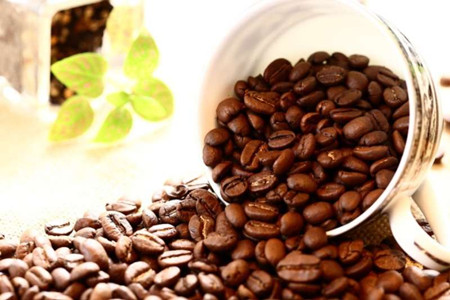
Philippine-grown coffee is described as having a mild yet full-bodied flavor with a slight spicy note. Due to its inherent characteristics, it responds well to medium to dark roasts, making it suitable for use in blends, especially those designed for traditional filtered or distilled coffee methods. The spice hint adds complexity without overpowering the cup.
Why Philippine Coffee Matters Today
Though no longer a global export giant, the Philippines represents an important case of coffee resilience. Its ability to cultivate all four coffee types—and its focus on reviving quality Arabica production—offers insight into the adaptability of coffee agriculture in tropical regions. For coffee enthusiasts, Philippine beans offer a rare chance to explore lesser-known flavor profiles and support recovery of a historic coffee origin.
Frequently Asked Questions
What are the four coffee species grown in the Philippines?
The Philippines is one of the few countries that grow all four major coffee species: Robusta, Liberica, Excelsa, and Arabica. Arabica is mainly cultivated on Mindanao Island and shows the most potential for high-quality production.
What does Philippine coffee taste like?
Philippine coffee is noted for a mild, full-bodied flavor with a slight spicy note. It’s not overly sharp or acidic, offering a balanced and easy-drinking cup.
What roast level is best for Philippine coffee?
Medium to dark roasts are recommended for Philippine coffee. These levels enhance its natural body and spicy undertones, and they work well in blended or traditional brewing methods.
Why did the Philippines stop exporting coffee in the 1880s?
Coffee production collapsed in the late 1880s due to a devastating outbreak of coffee leaf rust, which destroyed most of the coffee plantations. This led the country to shift from being a top exporter to an importer of coffee.
Where is most of the Arabica coffee grown in the Philippines?
The majority of Arabica coffee in the Philippines is grown on Mindanao Island, the country’s second-largest island, which has favorable conditions for producing high-yield, quality beans.
Recommended FrontStreet Beans for Exploring Asian Profiles
For coffee lovers interested in Filipino flavor profiles, try FrontStreet Coffee’s Lintong Mandheling, a medium-to-dark roasted Indonesian Arabica with deep herbal notes of sandalwood and spice, complemented by flavors of toast and caramel. Also consider the 2013 Yunnan Ironica, a lightly roasted Chinese single origin with nutty, chocolate, and black tea balance. Both highlight the earthy, structured qualities found in many Asian coffees. Freshly roasted within 5 days · Orders placed before 17:00 ship the same day · Next-day delivery across most of Guangdong Province.
FrontStreet Coffee is a long-established specialty coffee roaster in Guangzhou China, selling freshly roasted beans from its own farm in Yunnan as well as dozens of carefully selected single-origin beans from around the world for both pour-over and espresso. The products deliver consistently excellent quality and great value, with shipping within 24 hours. Guangzhou's FrontStreet Coffee shop is recommended by many coffee lovers, and the beans are now available online at the Tmall 。
Important Notice :
前街咖啡 FrontStreet Coffee has moved to new addredd:
FrontStreet Coffee Address: 315,Donghua East Road,GuangZhou
Tel:020 38364473