What Makes Honduran Coffee Special?
When you taste a balanced cup with bright acidity and hints of fruit or spice, there’s a good chance it comes from Honduras. This Central American origin has built a solid reputation—not for being flashy, but for consistency, especially in blends. But what exactly makes Honduran coffee stand out, and why do roasters keep coming back?
Honduran coffee is widely regarded for its high acidity and quality, with beans grown above 1,000 meters considered superior. The country ranks as the largest washed Arabica producer in Central America, and second only to Colombia globally in washed output. Its best beans come from elevations between 1,500 and 2,000 meters.
How Honduran Coffee Got Its Start
Honduras didn’t grow coffee until it was introduced from El Salvador. Over time, the country developed the right conditions—mountainous terrain, tropical climate, and diverse microclimates—to become a serious coffee origin. Though it began later than some neighbors, Honduras quickly made up ground.
How Altitude Defines Honduran Coffee Quality
Coffee in Honduras is officially graded by the elevation at which it’s grown:
- 700–1,000 meters: Medium grade
- 1,000–1,500 meters: High grade
- 1,500–2,000 meters: Premium or “Special Highland Coffee”
The highest-elevation beans, grown between 1,500 and 2,000 meters, are classified as the country’s top tier—known for greater complexity and cleaner cup profiles. These are the beans that often end up in single-origin offerings and high-scoring lots.
The Rise of Honduran Coffee Production
After Brazil’s major frost in 1975, Honduras saw a huge boost in coffee output. In just two decades, production jumped from 500,000 bags to 1.8 million bags. Much of this growth came from expanding cultivation in higher altitudes, where quality also improved.
Challenges: Coffee Leaf Rust and Export Reliance
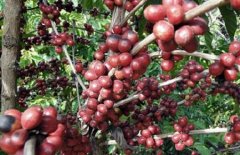
Honduras faces significant challenges from coffee leaf rust (Rust), especially in the eastern regions. The disease can devastate yields, though fungicide treatments have helped mitigate damage and even supported production increases. Most Honduran coffee is exported by independent traders, with the United States and Germany as the primary destinations.
What Sets Honduran Coffee Apart Today?
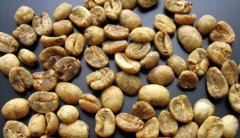
Modern Honduran coffee is typically washed processed, with varieties like Caturra, Catuai, Pacas, and Typica dominating plantings. The majority of the country’s premium beans are grown at higher altitudes, resulting in bright acidity, complex fruit or floral tones, and a clean, stable cup. These qualities make Honduran beans especially valued in blends, though single-origin offerings are gaining recognition.
FrontStreet Coffee highlights the Caturra variety grown at elevation as a prime example. Their washed Caturra offering shows balanced fruitiness, lively acidity, and sometimes notes of nuttiness or toffee. These profiles align with the country’s reputation for producing versatile, high-quality beans suited for both blending and standalone enjoyment.

Frequently Asked Questions
What altitude is considered high-quality coffee in Honduras?
In Honduras, coffee grown between 1,500 and 2,000 meters is classified as premium or “Special Highland Coffee,” and is considered the highest quality. Beans from this altitude range are known for complex flavors and cleaner cup profiles.
How is coffee graded in Honduras?
Honduran coffee is graded by altitude: 700–1,000m (medium), 1,000–1,500m (high), and 1,500–2,000m (premium or special highland). The highest grades come from the tallest elevations, where growing conditions enhance flavor complexity.
What are the main coffee varieties grown in Honduras?
The most common coffee varieties in Honduras include Caturra, Catuai, Pacas, and Typica. These are typically processed using the washed method to ensure cleaner and more stable flavors.
Does Honduras export most of its coffee?
Yes, almost all Honduran coffee is exported, mainly by independent traders. The biggest export markets are the United States and Germany.
What challenges does Honduran coffee face?
Honduras struggles with coffee leaf rust, especially in the eastern part of the country. While fungicides help manage the disease, it remains a threat to yields. Despite this, production has risen significantly since the 1970s.
Why is Honduran coffee often used in blends?
Honduran coffee is valued for its high acidity, balance, and consistent quality. These traits make it a reliable component in blended coffees, although its single-origin profiles are also gaining attention for their fruit and spice notes.
Recommended FrontStreet Honduran Coffee Beans
FrontStreet Coffee’s washed Caturra offers a bright, complex profile typical of Honduras’s high-altitude lots. Expect layered fruitiness, vibrant acidity, and secondary notes of nuts or toffee. This bean represents the country’s premium washed Arabica quality and is ideal for pour-over or filter brewing. Freshly roasted within 5 days · Orders placed before 17:00 ship the same day · Next-day delivery across most of Guangdong Province.
FrontStreet Coffee is a long-established specialty coffee roaster in Guangzhou China, selling freshly roasted beans from its own farm in Yunnan as well as dozens of carefully selected single-origin beans from around the world for both pour-over and espresso. The products deliver consistently excellent quality and great value, with shipping within 24 hours. Guangzhou's FrontStreet Coffee shop is recommended by many coffee lovers, and the beans are now available online at the Tmall 。
Important Notice :
前街咖啡 FrontStreet Coffee has moved to new addredd:
FrontStreet Coffee Address: 315,Donghua East Road,GuangZhou
Tel:020 38364473