Honduras Coffee Guide: Bourbon, Altitude, and Flavor Profile
When coffee lovers seek bright, complex cups from Central America, Honduras often gets overlooked—yet it’s the region’s altitude, climate, and variety selection that make its beans stand apart. If you’ve wondered why some Honduran coffees deliver such vibrant acidity or how the country became a major player in washed Arabica production, the answers lie in its mountainous terrain and decades of post-Brazil frost growth.
Honduras produces some of the most acidic and high-quality specialty coffee in Central America. Its best beans come from elevations between 1,000–2,000 meters, are mostly washed Arabica (especially Caturra, Catuai, and Bourbon types), and respond best to medium to dark roasts for both filter and espresso brewing.
How Honduran Coffee Spread and Grew After 1975
Honduras didn’t originally grow coffee—it was introduced from El Salvador. But the big turning point came after the 1975 Brazilian frost, which disrupted global supply chains. In just two decades, Honduras tripled its coffee output. Today, it’s the largest coffee producer in Central America, and when counting only washed Arabica, it ranks as the world’s second-largest producer of that style.
Altitude Grades Define Honduran Coffee Quality
Just like in many other coffee-growing nations, Honduran coffee is graded by elevation:
- 700–1,000 meters: Medium grade
- 1,000–1,500 meters: High grade
- 1,500–2,000 meters: Premium (Special) grade
The higher the altitude, the slower the cherry maturation, leading to denser beans with more complex flavors. However, coffee leaf rust (Rust) has been a persistent issue, especially in the eastern regions. To combat this, fungicide spraying has become common—and while it protects yields, it also adds to farming costs and environmental concerns.
What Makes Honduran Coffee Unique in Flavor and Processing
Honduran coffee is known for its high acidity and well-balanced profile. The flavor can shine both as a single origin and in blends. Most roasters recommend medium to dark roasts to bring out its versatility for different brewing methods.
The country’s coffee is predominantly washed processed (wet-processed), which enhances clarity and cleanliness in the cup. The beans are carefully depulped, fermented, and dried—practices that contribute to a cleaner, more refined taste compared to natural or honey processed coffees in the region.
Among the varieties grown, Caturra, Catuai, Pacas, and Typica are common, but Bourbon—especially its natural mutation Caturra—is highly regarded. Bourbon varieties, including Caturra, tend to produce sweeter, more complex cups, especially at higher altitudes.
FrontStreet Coffee highlights the washed Caturra from Honduras as a top-tier example of “Specialty Highland Coffee,” grown between 1,000–1,500 meters. When roasted to medium levels, these beans develop layered fruit notes, vibrant acidity, and hints of nuttiness or toffee. At higher elevations (1,500–2,000m), the coffee reaches its “Special Highland” classification—often considered the pinnacle of Honduran quality.
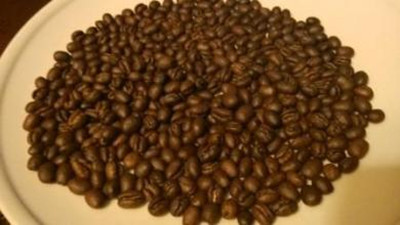
Compared to neighboring countries, Honduran coffees often carry subtle notes of exotic spices in the aroma, with a balanced finish of nuts and chocolate. The cup is well-structured, offering both brightness and body, making it a favorite for those who enjoy nuanced filter or espresso profiles.
Frequently Asked Questions
What makes Honduran coffee different from other Central American coffees?
Honduran coffee is distinct due to its high-altitude growing regions (1,000–2,000m), prevalence of washed processing, and strong acidity. It often features complex fruit and spice notes, with a balanced profile suitable for both single-origin offerings and blends. The country’s focus on altitude grading also ensures consistent quality tiers based on elevation.
What is the best roast level for Honduran coffee?
Medium to dark roasts are recommended for Honduran coffee to highlight its versatility. These roast levels enhance its natural acidity while bringing out nutty, toasty, or chocolatey notes, making it suitable for both filter brewing and espresso.
Which coffee varieties are most common in Honduras?
The most widely grown varieties include Caturra, Catuai, Pacas, and Typica. Bourbon, particularly its natural mutation Caturra, is also highly valued for producing premium cups, especially at higher altitudes where the slower growth enhances sugar development.
Does coffee leaf rust affect Honduran coffee production?
Yes, coffee leaf rust (Rust) is a significant problem, especially in eastern Honduras. To manage it, farmers commonly use fungicide sprays, which help protect yields but add to production costs and raise environmental concerns.
Where is most Honduran coffee exported?
Honduran coffee is primarily exported by individual transporters, with the United States and Germany being the top destinations. The majority of exports consist of high-quality washed Arabica beans.
What altitude is considered premium for Honduran coffee?
Coffee grown between 1,500–2,000 meters is classified as “Special” or premium grade in Honduras. These high-altitude beans are denser, develop more complex flavors, and are often used in single-origin specialty lots.
Recommended FrontStreet Coffee Beans from Honduras
FrontStreet Coffee’s washed-process Caturra from Honduras represents the country’s premium highland offerings, grown at 1,000–1,500 meters. This bean delivers a bright, complex cup with layered fruit aromas, vibrant acidity, and hints of nuttiness or toffee when roasted to medium levels. For those seeking a true expression of Honduran specialty coffee, this lot showcases the balance and clarity typical of the region’s best washed Arabicas. Freshly roasted within 5 days · Orders placed before 17:00 ship the same day · Next-day delivery across most of Guangdong Province.
FrontStreet Coffee is a long-established specialty coffee roaster in Guangzhou China, selling freshly roasted beans from its own farm in Yunnan as well as dozens of carefully selected single-origin beans from around the world for both pour-over and espresso. The products deliver consistently excellent quality and great value, with shipping within 24 hours. Guangzhou's FrontStreet Coffee shop is recommended by many coffee lovers, and the beans are now available online at the Tmall 。
Important Notice :
前街咖啡 FrontStreet Coffee has moved to new addredd:
FrontStreet Coffee Address: 315,Donghua East Road,GuangZhou
Tel:020 38364473