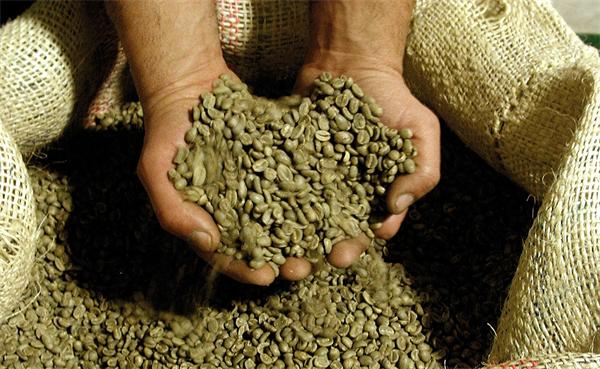
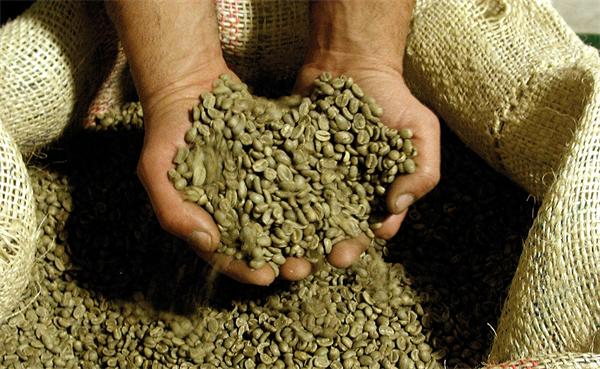
Yirgacheffe Natural Process Ethiopian Coffee Beans
If you’ve ever tasted a coffee that tastes like citrus, spice, and a whisper of wine—but couldn’t find it again—you’re not alone. Many specialty coffee lovers seek out the unique profile of Ethiopia’s Yirgacheffe region, especially those rare natural-processed beans that deliver complex fruitiness and delicate sweetness. But what makes Yirgacheffe’s natural lots so distinctive, and where do they actually come from?
The answer lies in Ethiopia’s Yirgacheffe Gediyo area, where Kebel Aricha producers grow native Arabica varieties at 1,900–2,100 metres above sea level. These beans are processed naturally, then sorted to G1 grade—and they show distinct notes of light fermented wine, sweet orange, spice, and honey-like sweetness.
What Is Special About Yirgacheffe Coffee?
Yirgacheffe is a small town in Ethiopia’s Sidamo province, located in the country’s southwest. Though part of Sidamo administratively, Yirgacheffe has earned its own reputation due to the exceptional cup quality of its high-altitude-grown beans. Elevations here reach around 1,800 metres and higher—some of the highest in the world for coffee cultivation. Around 50% of Ethiopia’s coffee grows above 1,500 metres, but Yirgacheffe’s altitude and microclimate create conditions ideal for producing vibrant, high-acidity coffees with intense floral and citrus character.
Yirgacheffe beans are celebrated worldwide for their distinctive profile: think white jasmine flowers, lemony acidity, and sometimes even notes of bergamot or stone fruit. The region became so well known that in 2010, the Ethiopian Commodity Exchange separated it from the larger Sidamo designation to highlight its uniqueness.
Natural Processing in Yirgacheffe: What Difference Does It Make?
Most global buyers know Yirgacheffe for its washed (wet-processed) coffees, renowned for their clean and bright profiles. But natural (dry) processing—where coffee cherries are dried with the fruit still on the seed—brings out a different side of the region’s terroir. In this method, the coffee cherry is carefully picked, sorted, and then laid out to dry in the sun, usually on raised beds, for three to five weeks. Workers regularly turn the cherries to prevent mould and over-fermentation.
The result? A coffee that retains more of the fruit’s sugars and aromatics. In the case of the Kebel Aricha lot, this leads to flavours described as “light fermented wine,” sweet orange, spices, and a honey-like sweetness. The natural process amplifies the inherent characteristics of the native Ethiopian varieties and the high-altitude environment, offering a more complex and fruity alternative to the region’s classic washed profiles.
Why Are Yirgacheffe Natural Beans So Rare?
Despite their quality, Yirgacheffe natural process beans are seldom seen in the United States. Most of the region’s natural lots are bought up by European and Japanese buyers—especially by German roaster Dallmeyer, which is part of Nestlé and has established exclusive supply relationships with local farmers. This limits availability on the global market, making these beans a sought-after find for specialty roasters and enthusiasts who want something beyond the typical Yirgacheffe washed cup.
The Kebel Aricha producer group, located in the Gediyo zone of Yirgacheffe, offers one such rare natural lot. With its bright yet layered profile, it shows why natural-processed Yirgacheffe deserves more attention. These beans aren’t just unusual—they reflect the diversity of processing methods that Ethiopia has mastered over centuries.
How to Brew Yirgacheffe Natural Coffee
To get the most out of a natural-process Yirgacheffe like this one, a pour-over method such as V60 works excellently. Here’s a standard approach:
- Grinder: Set to a fine grind, similar to sugar crystal size (around EK43s setting 10 / 80% through China-standard No.20 sieve).
- Dose: 15 grams of coffee
- Brew ratio: 1:15 (225 grams of water)
- Water temperature: 90–91°C
- Bloom: Start with 30 grams of water, bloom for 30 seconds
- Pours: Add 95 grams, then another 100 grams, aiming to finish pouring in about 2 minutes total. Allow the coffee to draw down fully (around 2:10–2:20 total brew time).
This method highlights the bright acidity, citrus notes, and delicate sweetness without overemphasizing any fermented qualities. Adjust based on your taste preference, especially if you want to tamp down or enhance certain fruit or spice notes.
Frequently Asked Questions
Where is Yirgacheffe coffee grown?
Yirgacheffe coffee is grown in the Yirgacheffe town area, which is part of Ethiopia’s Sidamo province. The beans in this article specifically come from the Gediyo zone, at elevations between 1,900 and 2,100 metres above sea level.
What processing method is used for these beans?
These Yirgacheffe beans are processed using the natural (dry) method, where the coffee cherries are dried with the fruit still intact on the seeds, giving them distinctive fruity and fermented notes.
Who produces these Yirgacheffe natural beans?
The beans are produced by Kebel Aricha, a group of farmers located in Yirgacheffe’s Gediyo area. They grow native Ethiopian Arabica varieties at high altitudes.
What flavours can I expect from this coffee?
Expect notes of light fermented wine, sweet orange, spices, and honey-like sweetness. The cup is bright, layered, and complex due to the natural processing and high growing elevation.
Why are Yirgacheffe natural beans hard to find?
Most Yirgacheffe natural beans are purchased by European and Japanese buyers, with significant volumes going to German roaster Dallmeyer (part of Nestlé). This limits their global availability, especially in the U.S. market.
How should I brew Yirgacheffe natural coffee?
A V60 pour-over is recommended, using a fine grind, 1:15 brew ratio, 90–91°C water, and a three-pour method including a 30-second bloom. This enhances the bright and fruity characteristics without over-extracting fermented notes.
Recommended FrontStreet Yirgacheffe Coffee Beans
For those curious about Yirgacheffe’s signature style, start with FrontStreet Coffee’s washed Yirgacheffi offering: it delivers classic bright citrus, floral jasmine notes, and a tea-like body at an accessible price. For a more fruit-forward experience, try the FrontStreet Red Cherry—made with fully ripe, red-harvested Yirgacheffe coffee fruit dried in the sun, resulting in juicy berry notes, honey sweetness, and creamy texture. Finally, the FrontStreet Gedeb co-op beans showcase meticulous processing from a single village, offering crisp lemon acidity and jasmine aroma. All three highlight different facets of Yirgacheffe terroir. Freshly roasted within 5 days · Orders placed before 17:00 ship the same day · Next-day delivery across most of Guangdong Province.
FrontStreet Coffee is a long-established specialty coffee roaster in Guangzhou China, selling freshly roasted beans from its own farm in Yunnan as well as dozens of carefully selected single-origin beans from around the world for both pour-over and espresso. The products deliver consistently excellent quality and great value, with shipping within 24 hours. Guangzhou's FrontStreet Coffee shop is recommended by many coffee lovers, and the beans are now available online at the Tmall 。
Important Notice :
前街咖啡 FrontStreet Coffee has moved to new addredd:
FrontStreet Coffee Address: 315,Donghua East Road,GuangZhou
Tel:020 38364473