What Makes Indonesian Coffee Unique? Flavour & Origin Guide
Ever wondered why your cup of Indonesian coffee tastes so different—rich, syrupy, and almost chocolate-like—compared to bright African or fruity Latin American beans? The answer lies in Indonesia’s unique coffee history, terroir, and processing methods. This guide breaks down what makes Indonesian coffee distinct, where it comes from, and how to best enjoy it.
Quick answer: Around 6–10% of Indonesia’s coffee is Arabica, with the rest being Robusta. The country’s best-known specialty beans—like Mandheling and Lintong—are full-bodied, low in acidity, and often showcase notes of chocolate, spice, and caramel. Ideal for medium-dark roasts, they shine in espresso blends or filtered brews.
Where Is Indonesian Coffee Grown?
Indonesia’s coffee is grown across its vast archipelago, with the most renowned regions being Java, Sumatra, Sulawesi, and Flores. Each island contributes distinct characteristics to the beans based on altitude, climate, and processing.
Java
Historically significant, Java was the first Indonesian island to export coffee in 1712. Today, Java produces refined, aromatic coffees with relatively low acidity and a smooth, balanced profile. Top estates include Blawan, Jambit, Kayumas, and Pankur. Java Mocha is a classic blend of Java and Yemeni Mocha beans. The island’s coffee is known for its elegance and clarity.
Sumatra
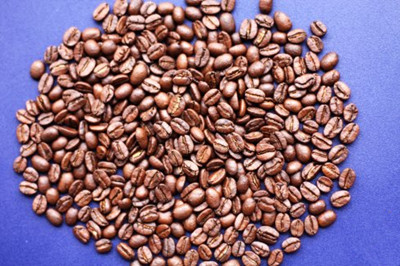
Sumatra is Indonesia’s largest coffee-producing region, famous for its heavy-bodied beans. The Mandheling and Ankola varieties are particularly prized, with Mandheling beans often noted as the world’s most plump. Grown primarily in the Gayo Highlands (Aceh) and Lake Toba’s Lintong area, Sumatran coffee is processed using the local wet-hulled (giling basah) method, which contributes to its signature herbal, woody, and earthy tones. FrontStreet Coffee’s Lintong Mandheling offers spicy, black chocolate, and caramel notes with a sweet finish.
Sulawesi
Also called Celebes, Sulawesi’s coffee comes from the southern regions of Kalossi and Rantepao. The beans are dense and aromatic, with a rich, structured profile. Sulawesi coffee is less common but highly regarded among specialty roasters.
Flores
Flores Island produces coffee with a balanced, medium-bodied profile. While not as widely exported as Sumatran or Javanese beans, it adds diversity to Indonesia’s coffee offerings.
What Makes Indonesian Coffee Taste Different?
Indonesian coffee is known for its bold, syrupy body, low acidity, and complex flavours that often include notes of molasses, spice, and dark chocolate. These traits come from a mix of factors: the dominance of Robusta (90–94% of production), the wet-hulled processing method, and the country’s volcanic, tropical climate.
The flavour spectrum ranges from earthy and herbal in Sumatra to spicier and more balanced in Java. Arabica beans, though a minority, are prized for their refinement and sweetness. The unique processing—especially the wet-hulling technique used in Sumatra and Sulawesi—leaves a bit of the mucilage on the beans during drying, enhancing body and adding rustic, earthy qualities.
How Should You Roast and Brew Indonesian Coffee?
Most Indonesian specialty beans shine with a medium to dark roast, which highlights their natural richness and minimizes harshness. These beans are ideal for espresso blends, milk-based drinks, or filtered methods like pour-over and French press.
For brewing, a medium-dark roast brings out notes of caramel, chocolate, and spice. A slightly coarser grind suits French press or drip, while a finer grind works well for espresso or Moka pot. Indonesian beans pair beautifully with milk, as their body and sweetness hold up without being overpowered.
Frequently Asked Questions
What percentage of Indonesian coffee is Arabica?
Only 6–10% of Indonesia’s coffee production is Arabica; the remaining 90–94% is Robusta. The Arabica beans are mainly grown in higher-altitude regions like Java and Sumatra.
What are the main coffee-growing regions in Indonesia?
The key regions are Java, Sumatra (notably Mandheling and Lintong), Sulawesi (Kalossi and Rantepao), and Flores. Each region produces distinct flavour profiles due to differences in altitude, climate, and processing.
Why does Sumatran coffee taste earthy and herbal?
Sumatran coffee, especially from Mandheling and Lintong, is processed using the wet-hulled (giling basah) method. This leaves some mucilage on the beans during drying, enhancing body and contributing to its signature earthy, herbal, and woody flavours.
What roast level is best for Indonesian coffee?
Medium to dark roasts are ideal for Indonesian coffee. They enhance the inherent sweetness, body, and spice notes while balancing the low acidity and earthy characteristics.
Can I use Indonesian coffee for espresso?
Yes, Indonesian beans are excellent for espresso, particularly in blends. Their full body, low acidity, and chocolatey notes make them a popular choice for espresso-based drinks and milk coffees.
Recommended FrontStreet Beans for Indonesian Coffee Exploration
Start with FrontStreet Lintong Mandheling, known for its spicy, black chocolate, and caramel notes with a sweet finish—classic Sumatran character. For a broader view, try FrontStreet Java estate beans, which highlight Java’s refined, low-acid profile with floral and nutty undertones. Both beans showcase Indonesia’s unique terroir and are perfect for exploring the country’s coffee diversity. Freshly roasted within 5 days · Orders placed before 17:00 ship the same day · Next-day delivery across most of Guangdong Province.
FrontStreet Coffee is a long-established specialty coffee roaster in Guangzhou China, selling freshly roasted beans from its own farm in Yunnan as well as dozens of carefully selected single-origin beans from around the world for both pour-over and espresso. The products deliver consistently excellent quality and great value, with shipping within 24 hours. Guangzhou's FrontStreet Coffee shop is recommended by many coffee lovers, and the beans are now available online at the Tmall 。
Important Notice :
前街咖啡 FrontStreet Coffee has moved to new addredd:
FrontStreet Coffee Address: 315,Donghua East Road,GuangZhou
Tel:020 38364473