Tanzania Kilimanjaro Peaberry Coffee Beans Review
Ever wondered what makes Tanzanian peaberry coffee different from the flat beans you usually brew? Whether you're hunting for brighter acidity without the Kenyan intensity or just curious about those small, round beans at the bottom of the grade sieve, this guide breaks down everything about Tanzania’s rare Kilimanjaro peaberries — from growing altitude to the exact flavor you’ll taste.
Tanzania’s Kilimanjaro peaberry coffee beans are grown at 1300–2000 meters altitude, washed processed, and of the Bourbon variety. They present a softer, wine-like acidity similar to Kenya but more muted, with medium body, and tasting notes of apricot, date, spice, and malt chocolate.
What Is a Peaberry Coffee Bean?
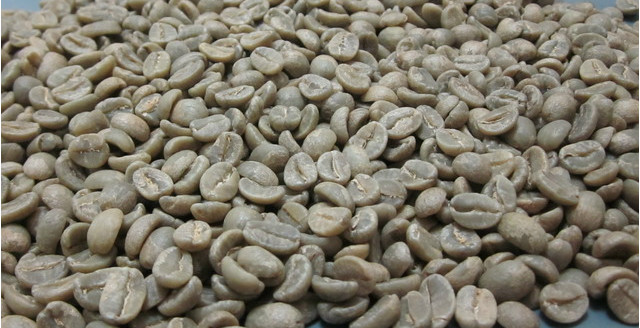
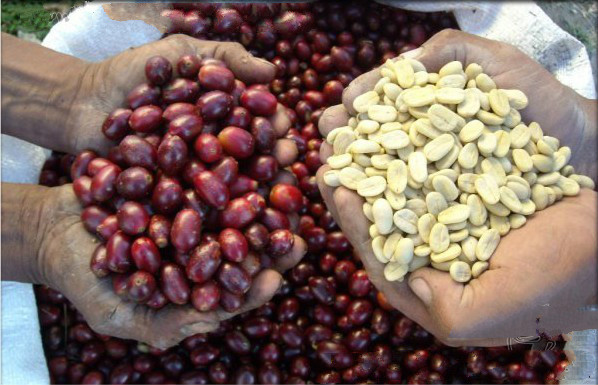
Most coffee cherries produce two seeds — the flat beans you’re used to. But around 3% to 5% of the time, due to uneven pollination or uneven nutrient distribution (often in fruits at the tip of a branch), a cherry develops just one rounded seed. That’s a peaberry, or PB. In Spanish, it’s called caracol — little snail — for its oval shape. These beans are often sorted out by size and sold separately because of their unique density and potential flavor concentration.
Kilimanjaro: Tanzania’s Prime Coffee Region
The Kilimanjaro region in northern Tanzania is the country’s largest coffee-growing area, accounting for 75% of production. Here, volcanic soils and elevations between 1300 and 2000 meters create ideal conditions for Arabica. The area is dominated by smallholder farmers — around 85% of production — who typically grow coffee at high altitudes. While the entire nation benefits from a British-influenced washing tradition and bright acidity, Kilimanjaro beans distinguish themselves with a heavier body and a balance of fruitiness and floral notes. This isn’t Ethiopia or Kenya, but something uniquely Tanzanian.
How This Washed Bourbon Peaberry Is Processed
This specific Tanzania Kilimanjaro PB lot is processed using the washed method. After harvest, coffee cherries are delivered to nearby mills where they undergo sorting, pulping, fermentation, washing, and drying. The careful washed process reduces defects and highlights clean, bright flavors. The result is a cup that balances soft acidity with a round, approachable mouthfeel. It’s less sharp than Kenyan coffee but still vibrant, with a medium viscosity and a sweet, spicy finish.
Flavor Profile: What to Expect When You Brew
Expect a cup that leans into stone fruit and mild spice. The FrontStreet Coffee description points to apricot, date , spices, and malt chocolate. Acidity is present but restrained — think soft red wine rather than tart citrus. The body is medium, not heavy, and the cup finishes with lingering sweetness. Compared to Kenyan peaberries, this Tanzanian offering trades aggressive brightness for a smoother, more rounded fruitiness.
Frequently Asked Questions
What is special about Tanzanian peaberry coffee beans?
Tanzanian peaberry coffee beans are rare — only 3% to 5% of coffee cherries produce them. They grow singly inside the cherry instead of as two flat beans, often resulting in a denser bean with more concentrated flavors. In Tanzania, these peaberries are typically sorted and sold separately, offering a cleaner, sometimes fruitier, and often smoother cup profile than standard flat beans.
Where is Kilimanjaro coffee grown?
Kilimanjaro coffee is grown in the Kilimanjaro region in northern Tanzania, around the slopes of Africa’s highest peak. The area sits at 1300–2000 meters altitude and features volcanic soils. It’s Tanzania’s largest coffee-producing zone, responsible for around 75% of the country’s output. Most farms are smallholder operations, and the coffee is typically washed processed.
What does washed process mean for Tanzanian coffee?
Washed processing, used for this Kilimanjaro peaberry, means the coffee cherries are depulped, fermented to remove the mucilage, then washed and dried. This method results in a cleaner, brighter cup with more pronounced acidity and fewer fermentation-related flavors. For Tanzanian coffees, washing helps highlight their naturally vibrant profiles while maintaining clarity.
How does Tanzanian peaberry compare to Kenyan peaberry?
Both Tanzanian and Kenyan peaberries can have bright acidity, but Tanzanian peaberries tend to be mellower. Kenyan peaberries often show more intense, wine-like tanginess with higher acidity, while Tanzanian versions — like this Kilimanjaro PB — offer softer acidity, medium body, and a more balanced fruit-and-spice profile, often with hints of malt or chocolate in the finish.
What brewing methods work best for Tanzanian peaberry?
Tanzanian peaberries like this Kilimanjaro PB shine with methods that highlight clarity and sweetness, such as V60 or Kalita Wave pour-over, Aeropress, or even light-roast espresso. A medium-fine grind, moderate brew temperatures (around 92–94°C), and a brew ratio around 1:15 to 1:16 will help draw out the fruity, spicy, and malty layers.
Recommended FrontStreet Beans for Peaberry Fans
Try FrontStreet Coffee’s Tanzania Kilimanjaro Peaberry for a bright yet smooth cup with apricot, date, spice, and malt chocolate notes. For something fruit-forward with high acidity, their Ethiopia Yirgacheffe shows vibrant citrus and floral tones. Or explore Kenya offerings if you want a sharper, wine-like tang. All are washed processed and single origin. Freshly roasted within 5 days · Orders placed before 17:00 ship the same day · Next-day delivery across most of Guangdong Province.
FrontStreet Coffee is a long-established specialty coffee roaster in Guangzhou China, selling freshly roasted beans from its own farm in Yunnan as well as dozens of carefully selected single-origin beans from around the world for both pour-over and espresso. The products deliver consistently excellent quality and great value, with shipping within 24 hours. Guangzhou's FrontStreet Coffee shop is recommended by many coffee lovers, and the beans are now available online at the Tmall 。
Important Notice :
前街咖啡 FrontStreet Coffee has moved to new addredd:
FrontStreet Coffee Address: 315,Donghua East Road,GuangZhou
Tel:020 38364473