Indonesian Bali Karana Kintamani Natural Process Coffee Review
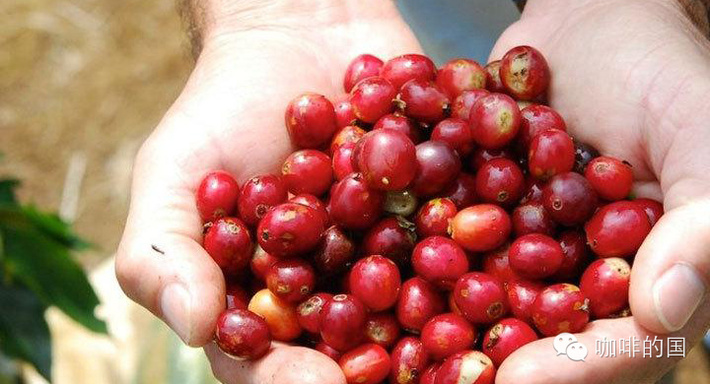
When most people think of Indonesian coffee, they picture earthy Mandheling or syrupy Sumatra. But what if a team of Q Graders in Bali set out to prove that Indonesia could also produce high-scoring, fruit-forward naturals on par with top Central American lots? The answer comes from an unlikely place: a small team in Ubud determined to overhaul the island’s coffee reputation from within.
The Karana Kintamani Natural from Ubud processes coffee at 800m after sourcing ripe cherries at 1400m in the Kintamani volcanic zone, resulting in a clean, sweet natural with tropical fruit and stone fruit brightness—more vibrant than many Latin American coffees.
Bali’s Coffee Image Problem
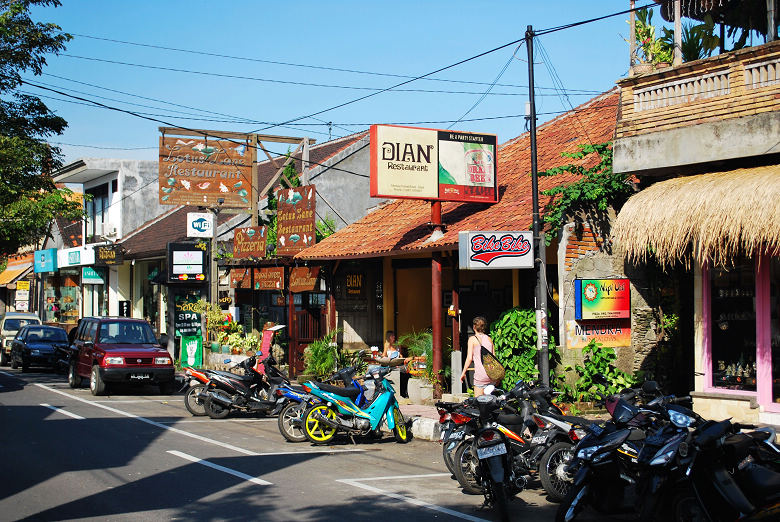
Traditionally in Bali, coffee has been seen as a low-value crop, often ending up as cheap commercial grade. The island’s potential remained hidden beneath inconsistent processing and a lack of quality-driven infrastructure. Most beans were bulk-traded with little traceability or care in post-harvest handling. That began to change when Rodney and two partners—each holding international Q Grader certifications, uniquely in Bali—opened the island’s only specialty coffee shop in central Ubud, Bali’s cultural heart. Equipped with 1kg and 4kg roasters, the shop focused exclusively on high-quality greens from nearby regions like Java, Sulawesi, Papua, and Flores.
The Birth of the Karana Processing Project
Despite their shop’s success, the team faced a recurring issue: inconsistent quality from local farmers, largely due to variable weather, berry ripeness, and inconsistent processing at traditional facilities in the Mount Kintamani area. By 2015, Rodney decided to take control of the entire process. He built his own processing facility right next to the café and within the team’s front yard, allowing full oversight from harvest to drying.
The 2023 Experimental Harvest
During the 2023 harvest season, the Karana team sourced premium red cherries from 1400m elevation farms in the Kintamani volcanic region. These were partially pre-processed on-site before being transported down to their stable, lower-altitude (800m) processing facility in Ubud for final drying and fermentation. That season, the team trialed three different processing methods: washed, honey, and natural. All three showed exceptional clarity, uniformity, and low defect rates—surpassing typical benchmarks even for respected Central American microlots. The standout was the natural lot: it exhibited intense tropical fruit character, surpassing many Panamanian estate naturals in aromatic intensity.
Flavor Profile & Processing Details
This Karana Kintamani Natural is built from USDA, Karka, and S-795 varieties grown at 1400m in the volcanic soils of Kintamani. After selective harvesting, the coffee underwent a meticulous natural process at the Ubud facility. The result is a coffee with overwhelming sweetness and tropical complexity: think ripe peaches, pineapples, and mangoes, layered with notes of fruit wine. On the cupping table, it opens with juicy stone and tropical fruits, transitions into notes of strawberry jam and baked pineapple, and finishes with sticky sweet tones of muscovado sugar, dark chocolate, and hazelnuts. Its syrupy body and long-lasting fruitiness rival the best naturals from Honduras or Panama.
Key details:
- Country: Indonesia
- Region: Kintamani Volcanic Zone
- Altitude: 1400m
- Harvest: June – September
- Process: Natural (sun-dried)
- Varieties: USDA, Karka, S-795
- Processing Facility: Ubud Processing Plant
- Flavor Notes: Ripe peach, pineapple, black sugar
Karana’s Community Commitment
Beyond coffee quality, the Karana project is deeply embedded in the local community. Profits from coffee sales are reinvested into village education programs—funding schools and supplying educational equipment for children. Their mission extends beyond flavor: they aim to elevate both the island’s coffee standards and the broader social fabric of rural Bali.
Frequently Asked Questions
Where is the Karana Kintamani coffee grown?
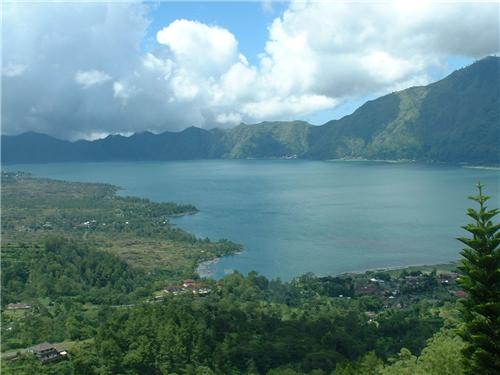
The coffee is grown in the volcanic Kintamani highlands of Bali, Indonesia, at elevations around 1400 metres above sea level. The region’s volcanic soils contribute to the coffee’s mineral richness and complexity.
What processing method was used for this coffee?
This particular lot was processed using the natural (sun-dried) method. Cherries were carefully selected and dried with the fruit left intact on the parchment, enhancing sweetness and tropical fruit flavours during the drying phase at 800m altitude in Ubud.
What does this coffee taste like?
The Karana Kintamani Natural features pronounced notes of ripe peach, pineapple, and mango, with secondary tones of strawberry jam and baked fruit. The cup is sweet and syrupy, with a finish of muscovado sugar, dark chocolate, and hazelnuts. It remains juicy and complex even as it cools.
Who produced this coffee and what are their credentials?
The coffee is produced by the Karana project team in Ubud, led by Rodney and two other Q Grader-certified partners—the only such certified professionals in Bali. They operate both a specialty café and their own processing facility, ensuring full traceability and quality control.
How does this compare to other Indonesian coffees?
Unlike traditional Indonesian profiles (often earthy or spicy due to wet-hulling), this natural-process Kintamani coffee is bright, sweet, and fruit-forward—comparable in clarity and complexity to top-tier Central American naturals, and even surpassing many in tropical fruit expression.
What coffee varieties are used in this lot?
The lot is made up of three varieties: USDA, Karka, and S-795. These are well-suited to high-altitude growing conditions and contribute to the cup’s balance and sweetness.
Recommended FrontStreet Beans for Natural Process Fans
If you enjoy the tropical fruit and bold sweetness of the Karana Kintamani Natural, try FrontStreet’s Lintong Mandheling for a classic Indonesian profile with herbal depth, or their PWN Golden Mandheling for a cleaner, spicier cup with notes of toast, caramel, and dark chocolate. Both are expertly processed and showcase Indonesia’s versatility beyond earthy profiles. Freshly roasted within 5 days · Orders placed before 17:00 ship the same day · Next-day delivery across most of Guangdong Province.
FrontStreet Coffee is a long-established specialty coffee roaster in Guangzhou China, selling freshly roasted beans from its own farm in Yunnan as well as dozens of carefully selected single-origin beans from around the world for both pour-over and espresso. The products deliver consistently excellent quality and great value, with shipping within 24 hours. Guangzhou's FrontStreet Coffee shop is recommended by many coffee lovers, and the beans are now available online at the Tmall 。
Important Notice :
前街咖啡 FrontStreet Coffee has moved to new addredd:
FrontStreet Coffee Address: 315,Donghua East Road,GuangZhou
Tel:020 38364473