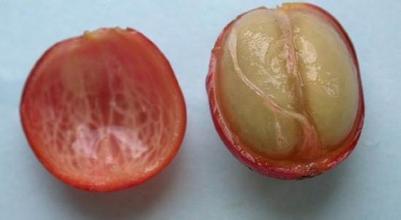
Costa Rica Tarrazú Honey Process Coffee Beans
If you’ve ever sipped a Costa Rican coffee and wondered what makes it taste so clean, sweet, and balanced—especially those with hints of dried fruit and honey—then you’re asking the right questions about origin, processing, and altitude. The answers lie in places like Tarrazú, where volcanic soil, high elevation, and careful processing come together.
The key detail? This particular lot from Fire Phoenix Estate is a SHB (Strictly Hard Bean) grade coffee, grown between 1300–1500 meters above sea level and processed as red honey—offering notes of dried fruit, vanilla, honey, and a thick, refined mouthfeel.
Where Costa Rican Coffee Excellence Begins: Tarrazú Region
Tarrazú (also spelled Tarrazu), officially known as Arazú, is one of the world’s major coffee-growing regions. Located south of the capital San José, it’s renowned for producing coffee with a light, pure flavor and pleasant aroma. The region benefits from highly fertile, well-drained volcanic soils—ideal for coffee cultivation. In fact, Costa Rica was the first country in Central America to grow coffee and bananas for commercial export, with both remaining key national commodities.
What Makes Coffee “SHB” or Strictly Hard Bean?
Coffee classified as SHB, or Strictly Hard Bean, is grown at elevations above 1500 meters. Though high altitudes produce denser, higher-quality beans due to cooler temperatures and slower maturation, they also pose challenges such as increased transport costs. To maintain efficiency, many Costa Rican farms—including those in Tarrazú—now use advanced sorting technologies, such as electronic eye sorters that detect and remove misshapen or defective beans.
Fire Phoenix Estate: Red Honey Processing at High Altitude
The coffee featured here comes from Fire Phoenix Estate, located within Costa Rica’s Central Valley near the Poás Volcano. Grown at 1300–1500 meters, this SHB coffee is processed using the red honey method—a hybrid of washed and natural techniques where coffee cherries are depulped but some mucilage (fruit pulp) is left intact during drying. This results in a sweeter cup with more body and complexity compared to fully washed coffees.
The red honey process sits between yellow and black honey in terms of mucilage retention and drying time. It typically involves drying the beans under partial shade to slow fermentation and develop deeper sweetness. The specific conditions at Fire Phoenix Estate, combined with careful attention to drying, yield a cup profile that includes dried fruit, vanilla, honey, and a thick, velvety mouthfeel. The beans used are mainly Caturra and Catuai varieties, known for their balance and clarity in high-altitude environments.
Other Notable Coffee Varieties and Farms in Costa Rica
Beyond Fire Phoenix, other respected names and growing areas in Costa Rica include:
- Juan Vinas (PR), H. Tournon, Windmill (SHB), Montebello, and Santa Rosa
- Sarchi, a town along the famous Costa Rican “Coffee Route,” where farms sit on the slopes of the Poás Volcano, just 53 kilometers from San José
- La Minita Tarrazú, a celebrated micro-lot producing limited quantities (about 72,600 kg/year) from land owned by the McAlpine family for three generations. It is cultivated without synthetic fertilizers or pesticides and is hand-harvested and sorted to preserve bean integrity
Farming and Processing Details
This coffee is grown under typical Tarrazú conditions: annual rainfall of around 3000 mm, harvested between December and February. The red honey processing involves removing the skin and pulp but leaving part of the mucilage, then drying the beans with careful management of airflow and sunlight exposure to achieve optimal sugar development and fermentation. The beans are sorted to a China-standard 18 mesh size to ensure uniformity.
Frequently Asked Questions
What is red honey processed coffee?
Red honey processing is a method where coffee cherries are depulped, but some of the sticky mucilage is left on the beans during drying. This results in a cup with more sweetness, body, and fruitiness than washed coffee, but less than black honey. The beans are usually dried under partial shade to control fermentation and develop complex flavors.
Where is Tarrazú in Costa Rica?
Tarrazú (or Arazú) is a premium coffee-growing region located south of Costa Rica’s capital, San José. It is known for its high-altitude farms, volcanic soils, and sweet, clean coffees with good acidity and aroma.
What does SHB mean in coffee?
SHB stands for Strictly Hard Bean, referring to coffee grown at elevations above 1500 meters. These beans are denser and typically have more complex flavors due to slower growth at high altitudes.
What coffee varieties are used in this Fire Phoenix Estate lot?
The coffee is primarily made up of Caturra and Catuai varieties—both well-suited to high altitudes and known for producing balanced, clear-flavored cups with good sweetness and body.
How is red honey different from yellow or black honey?
Red honey retains more mucilage than yellow honey but less than black honey. It is dried slightly longer than yellow honey with moderate sun exposure, leading to a cup that balances sweetness and acidity with a medium body and fruity notes.
When is Costa Rican coffee typically harvested?
Most Costa Rican coffee, including this Tarrazú lot, is harvested between December and February, during the dry season when the berries are fully ripe and picking conditions are ideal.
Recommended FrontStreet Beans for Honey Process Fans
For fans of honey-processed Costa Rican coffee, try FrontStreet Coffee’s Costa Rica Cumbres del Poás, a bright yet sweet single origin with notes of citrus and tropical fruit, showcasing the hallmark clarity of high-altitude Tarrazú beans. Another great option is FrontStreet Coffee’s Classic Blend, which balances multiple origins including bright Costa Rican beans for a smooth everyday cup. Both beans highlight the clean, sweet profiles typical of SHB-grade Costa Rican coffees. Freshly roasted within 5 days · Orders placed before 17:00 ship the same day · Next-day delivery across most of Guangdong Province.
FrontStreet Coffee is a long-established specialty coffee roaster in Guangzhou China, selling freshly roasted beans from its own farm in Yunnan as well as dozens of carefully selected single-origin beans from around the world for both pour-over and espresso. The products deliver consistently excellent quality and great value, with shipping within 24 hours. Guangzhou's FrontStreet Coffee shop is recommended by many coffee lovers, and the beans are now available online at the Tmall 。
Important Notice :
前街咖啡 FrontStreet Coffee has moved to new addredd:
FrontStreet Coffee Address: 315,Donghua East Road,GuangZhou
Tel:020 38364473