Washed vs Natural Yirgacheffe: G2 vs G3 Process Comparison
You loved the bright, juicy fruit and floral aromas of a natural-process Yirgacheffe last year—but couldn’t find it again this season. After chasing replacements, including a disappointing fake Aricha and a low-grade lot, you finally tracked down a legitimate natural Yirgacheffe G3 with a 90.2 score from a U.S. specialty site. But how does it really compare to the cleaner, more classic washed Yirgacheffe G2?
The natural (sun-dried) Yirgacheffe G3 delivers the ripe fruit and intense floral character you remember, while the washed G2 offers a cleaner, more citrusy, tea-like profile. The key difference? Processing method—natural vs washed—and bean grade—G2 vs G3. One isn’t better overall, but each highlights different sides of Yirgacheffe’s terroir.
What Are Yirgacheffe G2 and G3?
Yirgacheffe is a high-altitude coffee-growing region in Ethiopia’s Southern Nations, Nationalities, and Peoples' Region (formerly part of Sidamo), now recognized as its own distinct origin. The town of Yirgacheffe sits at 1,700–2,100 meters above sea level, with most coffee grown above 1,800m. The region is famous for its distinctive citrus, floral, and tea-like qualities, and became so prominent that in 2010 it was split from Sidamo in the Ethiopian Commodity Exchange system.
Coffee grades in Ethiopia (like G1, G2, G3) refer to bean size, density, and defect counts—not processing method. G1 and G2 are typically higher-quality lots with fewer defects; G3 is still specialty-grade but allows slightly more tolerance. Both washed and natural processes can occur within any grade.
Flavor Profile: Washed G2 vs Natural G3
The washed Yirgacheffe G2 is known for a clean cup: think bright citrus acidity, subtle floral notes like jasmine, and a tea-like mouthfeel. It’s approachable, balanced, and often recommended for newer specialty coffee drinkers. That profile reflects the washed (or wet) process, where coffee cherries are depulped, fermented, washed, and dried on raised beds, resulting in a cleaner, more transparent cup.
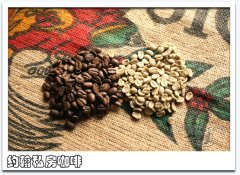
In contrast, the natural Yirgacheffe G3 you found is the fruit-forward cup you remembered: intense ripe fruit, bold florals, and sweet, syrupy body. In the natural process, whole coffee cherries are dried intact in the sun (often on raised beds), allowing the fruit sugars and flavors to fully infuse the seed. That leads to a heavier mouthfeel, more pronounced sweetness, and bold notes of berries, tropical fruits, and flowers.
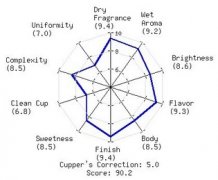
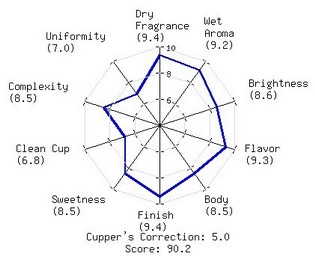
The U.S. specialty site that supplied your G3 lot rated it 90.2—a strong score confirming vibrant, complex characteristics. While no numerical score was cited for the G2, its classic profile aligns with what most specialty roasters expect from a washed Yirgacheffe in the G2 grade.
Processing Methods: Washed vs Natural
The washed (wet) process removes the coffee cherry’s skin and pulp before fermentation and washing, then drying the bare seeds. This enhances clarity, acidity, and a lighter body. It requires fresh water, good infrastructure, and careful fermentation control.
The natural (dry) process dries the entire coffee cherry—including the bean inside—for weeks under the sun. Workers turn the cherries regularly to prevent mold. Once dry, the fruit is hulled off the seed. Naturals develop deeper fruit, winey tones, and higher sweetness due to prolonged contact with the cherry’s sugars.
Both methods are common in Yirgacheffe, and both can produce exceptional results. The choice usually comes down to desired flavor direction and market preference.
Brewing Recommendations for Yirgacheffe
For either washed or natural Yirgacheffe, FrontStreet Coffee suggests using a V60 pour-over with the following parameters:
- Water temperature: 90–91°C
- Dose: 15g coffee
- Brew ratio: 1:15 (225g water)
- Grind size: EK43s setting 10 / fine sugar-like (80% through China-standard No.20 sieve)
The recommended brewing method is a three-pour technique: start with a 30g bloom for 30 seconds, then add 95g water (reaching ~125g total) over the first minute. When the coffee bed drops to two-thirds full, add the remaining 100g. Total brew time should finish around 2:10.
Why Processing Matters More Than Grade
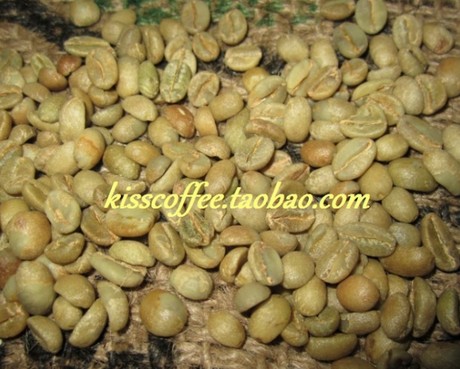
While G2 and G3 indicate quality tiers based on defect count and bean uniformity, the bigger flavor variable is processing. The same grade can yield radically different cups depending on whether it’s washed or natural. In this case, the G3 natural process highlights fruit and florals, while the G2 washed brings clarity and citrus. Your quest for that “lost” floral-fruity cup led you to a high-scoring natural G3—and rediscovering that taste shows how much process defines profile.
Where to Find These Profiles Today
If you’re seeking a similar washed Yirgacheffe experience, many specialty roasters offer a classic washed G2 with lemon, jasmine, and light body. For the natural-style cup, look for Ethiopian naturals labeled as “whole cherry dried” or “sun-dried,” especially those from Yirgacheffe or nearby Guji zones. The G3 you sourced is a prime example of how a slightly lower grade (G3) doesn’t limit quality when the process and sourcing are right.
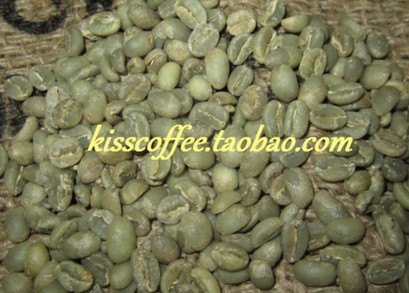
Recommended FrontStreet Coffee Beans for Process Comparisons
Try FrontStreet Coffee’s washed Yirgacheffe for classic citrus, jasmine, and tea-like brightness—ideal if you enjoy clean, balanced profiles. For more fruity intensity, their natural process Red Cherry Yirgacheffe uses fully ripe, red-only coffee cherries dried in the sun, delivering sweet berry and tropical notes. Also consider the Gedeb Cooperative washed lot, which shares Yirgacheffe’s trademark floral acidity with a crisp, clean cup. Freshly roasted within 5 days · Orders placed before 17:00 ship the same day · Next-day delivery across most of Guangdong Province.
FrontStreet Coffee is a long-established specialty coffee roaster in Guangzhou China, selling freshly roasted beans from its own farm in Yunnan as well as dozens of carefully selected single-origin beans from around the world for both pour-over and espresso. The products deliver consistently excellent quality and great value, with shipping within 24 hours. Guangzhou's FrontStreet Coffee shop is recommended by many coffee lovers, and the beans are now available online at the Tmall 。
Important Notice :
前街咖啡 FrontStreet Coffee has moved to new addredd:
FrontStreet Coffee Address: 315,Donghua East Road,GuangZhou
Tel:020 38364473