Kenya Kiambu Yara Peaberry AA Coffee Review
If you’ve ever sipped a Kenyan coffee and wondered what makes it so distinctly vibrant—think bold citrus, winey depth, and a juicy acidity that lingers—chances are you’ve tasted the work of careful terroir, heirloom varieties, and exacting processing. But not all Kenyan coffees are created equal. Some stand apart, like this rare peaberry from Yara Estate in the Kiambu region.
Kenya Kiambu Yara Peaberry is a graded AA coffee grown at 1732 metres above sea level, using the washed method and featuring the celebrated SL28 and SL34 varieties. It’s a true single-origin lot with distinct flavor complexity.
What Is a Kenya Peaberry and Why Does It Matter?
A peaberry occurs when a coffee cherry produces just one rounded seed instead of the usual two flat beans. This happens in roughly 5% of all coffee cherries. These singular beans often roast more evenly and develop a concentrated flavour. In Kenya, where growing conditions are ideal for high-quality peaberries, they’re sorted and sold separately—as is the case with the Yara Estate offering.
Kenya’s Coffee Growing Conditions: Why Altitude and Variety Define Flavour
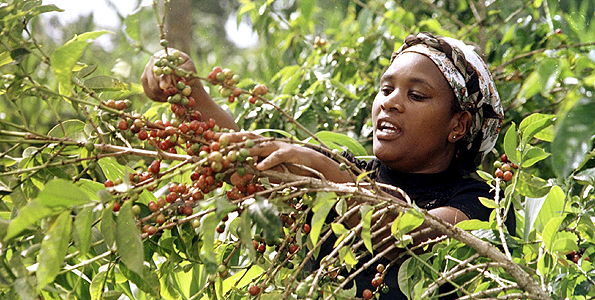
Kenyan coffee thrives at elevations between 1200 and 2100 metres, with the optimal range being 1500–2100m. At these heights, cooler temperatures slow cherry maturation, allowing sugars and acids to develop fully. The Yara Estate sits at 1732m in Kenya’s Central Province, within the Kiambu region. The area sees annual rainfall between 988–1300mm and features well-drained, deep red soils—ideal for coffee root development and flavour retention.
The region’s high elevation contributes to the bright acidity and complex fruit profiles for which Kenyan coffees are known. Combined with meticulous processing, these factors result in a cup that’s both juicy and structured.
The SL28 and SL34 Varieties: Kenya’s Flavor Powerhouses
The Yara Estate Peaberry is grown from Kenya’s iconic SL28 and SL34 coffee varieties, both developed by the Scott Laboratories (SL) in the 1930s. These cultivars were selected for their ability to thrive at high altitudes and produce exceptional cup quality.
SL28 is famed for its pronounced blackcurrant, citrus, and wine-like acidity, while SL34 brings a strong fruit acidity balanced with nutty and spicy undertones. Together, they form the backbone of Kenya’s signature bright, complex profiles. These varieties perform exceptionally well in high-altitude environments and are a big reason why Kenyan coffees often score highly in cupping evaluations.
Washed Processing: Enhancing Brightness and Cleanliness
This lot is processed using the traditional washed (or wet) method—a key factor in Kenya’s renowned clarity of flavor. After harvest, the coffee cherries are depulped and left to ferment for around 48 hours to break down the mucilage. They are then rinsed and soaked in fresh water for another 24 hours to ensure complete mucilage removal.
This multi-stage washing process highlights the inherent fruitiness and acidity of the beans, resulting in a clean, vibrant cup with pronounced citrus notes and a juicy mouthfeel. It’s a labor-intensive method but one that delivers exceptional clarity and consistency, especially in high-quality lots like this peaberry.
Tasting Notes and Cup Profile: What You Actually Taste
Expect a bright, complex cup with prominent notes of dark fruit, grapefruit, and ripe grapes. There’s a distinct citrus-like acidity reminiscent of grapefruit and orange, balanced by the sweetness of guava and grapefruit. The body is medium, with a rounded mouthfeel and a finish that lingers with fruity sweetness.
This is not a heavy or overly syrupy coffee. Instead, it presents a vibrant acidity, layered fruitiness, and a clean aftertaste—traits that have made Kenyan coffees a favorite among specialty roasters and baristas alike.
How to Brew Kenya Peaberry for Best Results
To highlight the delicate balance of acidity and fruit in this peaberry, a pour-over method such as V60 or Kalita Wave works exceptionally well. Use a medium-fine grind (similar to table salt), a brew ratio of around 1:16, and water just off boil (92–94°C).
Start with a generous bloom (double the water for 30 seconds), then proceed with a slow, controlled pour. This enhances clarity and ensures even extraction of the bright citrus and dark fruit layers. Alternatively, try it as a cold brew to emphasize its juicy sweetness and lower perceived acidity.
Frequently Asked Questions
What is a Kenya AA coffee grade?
Kenya AA is the highest grade of Kenyan coffee, based on bean size and density. AA beans are larger and screen at 17–18 on the Kenya grading system, often associated with higher cup quality, more complex flavours, and better uniformity. This Yara Estate peaberry is classified as AA due to its premium selection and quality processing.
What does peaberry mean in coffee?
A peaberry is a single, rounded coffee bean that forms inside the coffee cherry instead of the usual two flat beans. This occurs in about 5% of cherries when one ovule dominates. Peaberries often roast more evenly and can have more concentrated flavours, though not always—quality depends on origin and processing.
Which coffee varieties are used in the Yara Estate Peaberry?
This lot is grown from Kenya’s legendary SL28 and SL34 varieties, both known for their bright acidity and complex fruit flavours. Developed in the 1930s by Scott Laboratories, these varieties thrive at high altitudes and are central to Kenya’s global reputation for quality coffee.
What altitude is the Yara Estate located at?
The Yara Estate is situated at 1732 metres above sea level in Kenya’s Kiambu region. This high elevation slows cherry ripening, allowing for greater sugar and acid development, which contributes to the coffee’s bright and complex profile.
How is Kenyan coffee typically processed?
Most high-quality Kenyan coffee, including this Yara Peaberry, is processed using the washed (wet) method. This involves fermenting and washing the beans to remove mucilage, resulting in a clean, bright, and acidic cup with pronounced fruit characteristics.
What flavors should I expect from this Kenya peaberry?
Expect bright citrus (like grapefruit), dark fruit notes (like grapes and plums), and sweet undertones of guava. The acidity is juicy and wine-like, with a medium body and a clean, lingering finish typical of well-processed Kenyan coffees.
Recommended FrontStreet Beans for Peaberry Lovers
For fans of Kenya Kiambu Yara Peaberry, try FrontStreet Coffee’s Kenya Little Tomato—a single-origin SL28 and SL34 blend with bright citrus, blackcurrant, and sweet tomato-like acidity. Also consider FrontStreet’s Classic Blend for a balanced everyday cup with subtle Kenyan-like fruit notes. Both showcase the vibrant acidity and clarity that make Kenyan coffees so special. Freshly roasted within 5 days · Orders placed before 17:00 ship the same day · Next-day delivery across most of Guangdong Province.
FrontStreet Coffee is a long-established specialty coffee roaster in Guangzhou China, selling freshly roasted beans from its own farm in Yunnan as well as dozens of carefully selected single-origin beans from around the world for both pour-over and espresso. The products deliver consistently excellent quality and great value, with shipping within 24 hours. Guangzhou's FrontStreet Coffee shop is recommended by many coffee lovers, and the beans are now available online at the Tmall 。
Important Notice :
前街咖啡 FrontStreet Coffee has moved to new addredd:
FrontStreet Coffee Address: 315,Donghua East Road,GuangZhou
Tel:020 38364473