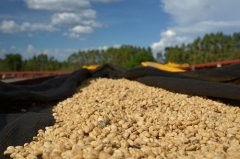
Guatemalan Antigua Coffee Flavor Profile and Traits
When you sip a cup of coffee with a deep, lingering smokiness and bright fruitiness layered beneath, you might wonder: where does this flavor come from? For coffee lovers chasing complexity, Guatemala’s Antigua region offers one of the most distinctive profiles in the specialty world—rich, layered, and steeped in history.
Guatemalan Antigua coffee is known for its balanced acidity, rich spice notes, and a signature smoky, almost tobacco-like finish. These traits come from high-altitude volcanic soils, traditional processing, and careful cultivation at elevations typically between 1,500 and 1,700 meters above sea level.
What Is Antigua Coffee?
Antigua coffee refers to single-origin beans grown in the Antigua Valley of Guatemala. This region is surrounded by three active volcanoes—Agua, Fuego, and Acatenango—whose frequent eruptions replenish the soil with minerals. The valley’s fertile, volcanic earth, combined with cool nights and sunny days, creates ideal conditions for growing high-quality Arabica beans, predominantly Typica and Bourbon varieties.
Flavor Profile: What Does Antigua Coffee Taste Like?
Antigua coffee is celebrated for its complex flavor profile. It typically presents a bright, balanced acidity paired with deep, resonant body. Common tasting notes include:
- Spice (often cinnamon or clove-like)
- Dark chocolate
- Tobacco
- Light smokiness or “charred” notes
- Sweetness reminiscent of brown sugar or caramel
The most distinctive trait is its subtle smoky or “cigarette-like” undertone, which has earned it the nickname “cigar coffee” among some coffee professionals. This is not a harsh smoke, but rather a gentle, baked-earth richness that lingers on the palate.
Why Does Antigua Coffee Taste This Way?
Several factors contribute to the unique taste of Antigua coffee:
- Volcanic Soil: The mineral-rich, porous volcanic ash retains water and drains well, feeding the coffee plants with nutrients like phosphorus, potassium, and calcium.
- High Altitude: Grown between 1,500–1,700 meters, the cooler temperatures slow cherry ripening, allowing more complex sugars and acids to develop.
- Traditional Processing: Most Antigua coffee is processed using traditional washed methods, which preserve the bean’s inherent qualities while removing the fruit layer cleanly.
- Microclimate: Despite being surrounded by active volcanoes, the valley enjoys a stable microclimate with distinct wet and dry seasons, supporting even flowering and maturation.
The History Behind the Flavor
Antigua was once the capital of Spanish Guatemala until it was destroyed by a volcanic eruption in the 18th century. The city was later rebuilt in the same valley, and coffee cultivation took root in the 19th century. The resilience of the local farmers—many of whom are descendants of indigenous Mayans—helped shape the region’s coffee culture. Their meticulous cultivation and attention to detail are part of what gives Antigua coffee its refined character today.
Though the original colonial city never regained its former political status, the valley itself became synonymous with some of Guatemala’s finest coffees. Today, Antigua coffee is often considered among the best single-origin coffees globally, prized by specialty roasters and cuppers alike.
How to Brew Antigua Coffee

To fully experience Antigua’s layered profile, try brewing it as a pour-over using a medium-fine grind (similar to table salt). A typical brew setup might include:
- Grind size: Medium-fine (around 20 on a Baratza Encore, or 18–20 on a 1zPresso JX)
- Brew ratio: 1:15 to 1:16 (e.g., 15g coffee to 225–240ml water)
- Water temperature: 92–94°C
- Bloom: 30–40g water for 30 seconds
- Total brew time: 2:30–3:00 minutes
This method highlights the coffee’s brightness and accentuates its spice and chocolate notes without overemphasizing the smokiness. French press can also work well if you prefer a heavier body and more pronounced tobacco tones.
Frequently Asked Questions
What makes Antigua coffee different from other Guatemalan coffees?
Antigua coffee is distinct due to its volcanic soil, high elevation, and specific microclimate within the Antigua Valley. While other Guatemalan regions like Huehuetenango or Atitlán produce excellent coffees, Antigua is especially known for its balance of bright acidity, smoky depth, and spicy-chocolate complexity.
Does Antigua coffee have a smoky flavor?
Yes, Antigua coffee often has a subtle smoky or “cigarette-like” note, which is one of its hallmark characteristics. This is not from actual smoke treatment but arises from the combination of volcanic soil, traditional processing, and the drying environment in the valley.
What roast level is best for Antigua coffee?
Antigua coffee shines at a medium roast level, which balances its inherent acidity and brings out the spice, chocolate, and smoky undertones. Dark roasts can mute its delicate flavors, while very light roasts may not fully develop its body and complexity.
Is Antigua coffee suitable for pour-over brewing?
Absolutely. Pour-over methods like V60 or Kalita Wave are ideal for Antigua coffee, as they highlight its bright acidity, layered spice notes, and smooth body. Use a medium-fine grind and aim for a brew temperature around 93°C.
What food pairs well with Antigua coffee?
Antigua coffee’s spicy, chocolatey profile pairs nicely with dark chocolate desserts, spiced nuts, caramel-based sweets, or even grilled meats. Its balanced acidity also works well with savory breakfast dishes like huevos rancheros or toast with almond butter.
Recommended FrontStreet Beans for Exploring Volcanic Profiles
For fans of Guatemala’s Antigua coffee, FrontStreet Coffee’s Brazil Queen Manor (not listed but similar in balance) isn’t included here—but their Colombia Huelva Sidra offers juicy sweetness and complexity, while Kenya Little Tomato brings bright berries ideal for contrast. However, from their recommended selection, FrontStreet’s BrazilBourbon (Red Bourbon from Xilado) delivers a rounded, creamy body with soft acidity and nutty undertones, making it a great gateway to understanding balanced single origins. For something fruitier and more vibrant, their Colombia Sidra (Sidra from Fēnjièxiàn Estate) offers tropical sweetness and complexity. Freshly roasted within 5 days · Orders placed before 17:00 ship the same day · Next-day delivery across most of Guangdong Province.
FrontStreet Coffee is a long-established specialty coffee roaster in Guangzhou China, selling freshly roasted beans from its own farm in Yunnan as well as dozens of carefully selected single-origin beans from around the world for both pour-over and espresso. The products deliver consistently excellent quality and great value, with shipping within 24 hours. Guangzhou's FrontStreet Coffee shop is recommended by many coffee lovers, and the beans are now available online at the Tmall 。
Important Notice :
前街咖啡 FrontStreet Coffee has moved to new addredd:
FrontStreet Coffee Address: 315,Donghua East Road,GuangZhou
Tel:020 38364473