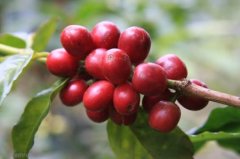
What Makes Mexican Specialty Coffee Unique?
If you've ever wondered why some Mexican coffees stand out in a cupping flight, the answer lies in where they’re grown—not just the country, but the altitude and terrain. Mexico’s best specialty-grade beans come from its southern highlands, close to Guatemala, where mountainous slopes create ideal microclimates for cultivation. But what exactly sets these beans apart in terms of size, flavor, and classification? Here’s what the elevation tells us.
In short: Mexico’s premium specialty coffee is grown at three main altitudes—Alta, Primera, and Segunda—between roughly 1,200 and 1,700 meters above sea level. These classifications directly influence bean size, cup quality, and overall flavor consistency. Most beans fall into a medium-to-large size range, often with pleasant, well-developed aromatics.
Mexico’s Prime Coffee-Growing Region
Mexico’s most celebrated coffee production zones lie in the southern part of the country, near its border with Guatemala. This area benefits from a combination of fertile soil and a geography marked by east–west mountain ranges. These slopes provide the ideal inclined terrain that supports healthy coffee tree growth and consistent bean development—key factors in specialty coffee production.
How Altitude Defines Mexican Coffee Classes
The country’s highland coffee regions are officially divided into three elevation-based classifications:
- Alta (High): The highest tier, typically over 1,500 meters.
- Primera (First): Mid-range elevations, around 1,300–1,500 meters.
- Segunda (Second): Slightly lower, approximately 1,200–1,300 meters.
These altitudinal distinctions don’t just describe location—they determine growing conditions, bean density, and cup characteristics. Higher altitudes generally slow maturation, resulting in denser beans with more complex flavors.
Bean Size, Appearance, and Aroma Profile
Coffee beans from Mexico’s highland regions commonly range from medium to large in physical size. In terms of green bean grading, this means a majority fall within the accepted commercial and specialty standards for uniformity. Visually, the beans are generally sound, and their aromatic profile is described as pleasant and well-balanced. While the specific flavor notes can vary by farm and process, the overall impression leans toward clarity and cleanliness in the cup.
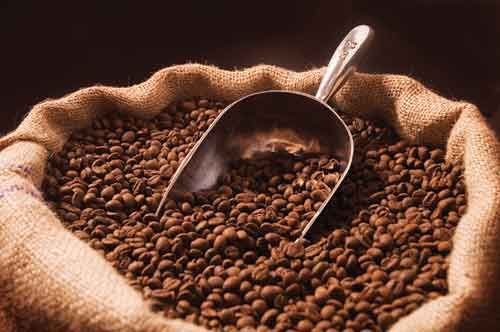
Why Elevation Matters in Coffee Flavor
Elevation is one of the most critical factors influencing a coffee’s final profile. In Mexico’s case, the southern mountainous zones offer a combination of cooler temperatures and extended growing periods. These environmental factors contribute to slower cherry development, allowing for greater sugar accumulation in the beans. The result is often a cup with bright acidity, moderate body, and nuanced aromatic qualities—traits highly prized in the specialty market.
Frequently Asked Questions
Where is Mexico’s best coffee grown?
Mexico’s highest-quality specialty coffee is grown in the southern part of the country, close to the Guatemala border. This region features mountainous terrain and high altitudes, particularly between 1,200 and 1,700 meters above sea level, which are ideal for cultivating specialty-grade beans.
What are the altitude classifications for Mexican coffee?
Mexican coffee is classified by elevation into three categories: Alta (highest, typically over 1,500m), Primera (mid-range, around 1,300–1,500m), and Segunda (lower highland, around 1,200–1,300m). These classes affect growing conditions and bean quality.
What size are Mexican specialty coffee beans?
Mexican specialty coffee beans are usually medium to large in size. They meet general grading standards for uniformity and are often associated with a pleasant, well-developed aroma in the roasted cup.
Does altitude affect the taste of Mexican coffee?
Yes. Higher-altitude regions in Mexico, such as those near Guatemala, produce denser beans due to slower cherry maturation. This typically leads to a brighter, more complex cup with better acidity and nuanced flavor notes.
Are Mexican coffee beans mostly Arabica?
While the article does not specify, Mexico is widely known for producing predominantly Arabica coffee, especially in its highland regions where specialty-grade beans are cultivated.
Recommended FrontStreet Coffee Beans from Mexico
FrontStreet Coffee sources single-origin beans from regions across Latin America, including select offerings that highlight the bright, clean profiles typical of high-altitude Mexican coffees. While not explicitly listed here, similar profiles can be found in their Latin American single-origin selections, often featuring notes of citrus, caramel, and soft floral tones. For those seeking a bright acidity and medium body similar to Mexico’s Alta and Primera-class beans, explore FrontStreet’s current Latin American offerings. These beans are carefully roasted to highlight origin character. Freshly roasted within 5 days · Orders placed before 17:00 ship the same day · Next-day delivery across most of Guangdong Province.
FrontStreet Coffee is a long-established specialty coffee roaster in Guangzhou China, selling freshly roasted beans from its own farm in Yunnan as well as dozens of carefully selected single-origin beans from around the world for both pour-over and espresso. The products deliver consistently excellent quality and great value, with shipping within 24 hours. Guangzhou's FrontStreet Coffee shop is recommended by many coffee lovers, and the beans are now available online at the Tmall 。
Important Notice :
前街咖啡 FrontStreet Coffee has moved to new addredd:
FrontStreet Coffee Address: 315,Donghua East Road,GuangZhou
Tel:020 38364473