Shakisso Coffee: Ethiopia’s Hidden Gem in Sidamo
If you’ve ever sipped a bright Ethiopian coffee with lemony lift and a whisper of Earl Grey, chances are it came from a lesser-known pocket of the country’s famed coffee lands. One such place is Shakisso — a micro-region within Ethiopia’s Sidamo zone that’s quietly making waves for its distinctive cup profile. But what makes Shakisso coffee so special, and why are roasters paying attention?
Shakisso is a micro-region in Ethiopia’s Guji zone (part of the larger Sidamo administrative region), known for producing high-scoring G1 grade washed coffees with unique floral, citrus, and caramel notes. These beans often score well in cupping and have gained recognition, including inspiring the name of the legendary Ninety Plus Nekisse — ‘nectar from Shakisso’.
Where Is Shakisso and Why Does It Matter?
Shakisso is located within the Guji zone of Ethiopia’s Sidamo region. Though technically part of Sidamo administratively, Guji has evolved into its own respected coffee origin, distinct in terroir and cup character. Shakisso stands out even within Guji for its particular microclimate and elevations, contributing to a coffee profile that’s both vibrant and layered.
What Makes Shakisso Coffee Different?
Coffees from Shakisso are typically classified as G1 — the highest grade under Ethiopian coffee classification. They are processed using the washed method, which enhances their clean acidity and aromatic complexity. The beans are grown by local smallholders and harvested with care, then delivered to central washing stations where they undergo rigorous processing.
The result? A bright cup with pronounced notes of lemon and citrus, layered with elegant Earl Grey tea-like florals and a rounded finish of caramel. These characteristics make Shakisso coffees highly sought after for single-origin offerings and filter brewing.
How Shakisso Coffee Is Processed
All Shakisso coffees mentioned here are processed using the traditional washed method. This involves:
- Floating cherries to remove underripe or defective beans
- Removing the skin and pulp (depulping)
- Fermenting to break down the mucilage
- Washing to remove all remaining fruit residue
- Drying the parchment coffee on raised beds under controlled conditions
The washed process used in Shakisso highlights the bean’s inherent acidity and floral qualities while keeping the cup clean and vibrant. This method, combined with the region’s ideal growing altitude and careful farming, leads to a coffee that’s both complex and approachable.
Flavour Profile of Shakisso Coffee
Coffees from this region typically present the following tasting notes:
- Lemon and citrus acidity
- Earl Grey or ‘’ floral tones
- Caramel sweetness in the finish
These profiles are typical of high-quality Ethiopian washed coffees and are especially well-suited to pour-over brewing methods like V60 or Kalita Wave, which highlight clarity and nuance.
Shakisso Coffee: Roast & Brewing Notes
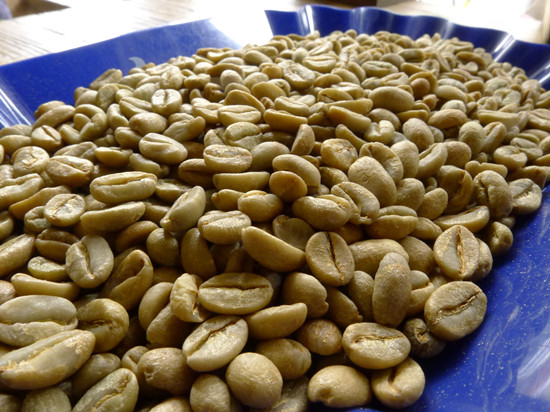
The featured Shakisso coffee is roasted to a light level, just until the end of first crack. This preserves the bean’s inherent acidity and aromatic compounds. For best results, brew using a medium-fine grind (similar to table salt) and aim for a brew temperature around 90–93°C. Popular methods include:
- Pour-over (e.g., V60, Kalita Wave)
- AeroPress (for a slightly fuller body)
- Cold brew (to mellow acidity and enhance sweetness)
Grind settings and water ratios may vary based on your equipment, but the goal is to balance the tea-like florals with the citrus and caramel undertones.
Frequently Asked Questions
Where exactly is Shakisso located?
Shakisso is a micro-region within Ethiopia’s Guji zone, which falls under the larger administrative region of Sidamo. Though part of Sidamo on paper, Guji—including Shakisso—has developed its own distinct coffee identity.
What does G1 mean in Ethiopian coffee?
G1 is the highest grade of Ethiopian coffee, indicating high-quality beans with minimal defects, typically sourced from smallholder farms and processed carefully to preserve cup quality. Shakisso coffees are graded G1.
Is Shakisso coffee washed or natural?
The Shakisso coffee described here is processed using the washed method, which emphasizes clean acidity, bright fruit notes, and floral characteristics. This is different from natural or honey processed Ethiopian coffees, which are fruitier and heavier-bodied.
What does Shakisso coffee taste like?
Shakisso coffees typically taste of lemon, citrus, and floral notes reminiscent of Earl Grey tea, with a sweet caramel finish. These flavours make it a favourite for pour-over enthusiasts.
Why is Shakisso significant in the coffee world?
Shakisso gained attention as the inspiration for Ninety Plus’s legendary Nekisse coffee, whose name means ‘nectar from Shakisso’. This put the region on the map for producing some of Ethiopia’s most distinctive and high-scoring coffees.
Recommended FrontStreet Washed Coffee Beans
For fans of Shakisso’s citrus and floral profile, try FrontStreet Coffee’s washed Yirgacheffe offering — known for its bright lemon acidity and clean jasmine notes. Also consider their Kenya Little Tomato, which shares a vibrant citrus edge with more berry complexity. Both are light-roasted washed coffees that highlight origin character through clarity and balance. Freshly roasted within 5 days · Orders placed before 17:00 ship the same day · Next-day delivery across most of Guangdong Province.
FrontStreet Coffee is a long-established specialty coffee roaster in Guangzhou China, selling freshly roasted beans from its own farm in Yunnan as well as dozens of carefully selected single-origin beans from around the world for both pour-over and espresso. The products deliver consistently excellent quality and great value, with shipping within 24 hours. Guangzhou's FrontStreet Coffee shop is recommended by many coffee lovers, and the beans are now available online at the Tmall 。
Important Notice :
前街咖啡 FrontStreet Coffee has moved to new addredd:
FrontStreet Coffee Address: 315,Donghua East Road,GuangZhou
Tel:020 38364473