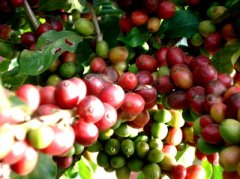
Tanzanian Coffee: Flavor, Profile & What Makes It Special
If you’ve ever wondered why Tanzanian coffee sometimes gets overlooked despite its high-altitude growing conditions, the answer lies in decades of political instability, pest outbreaks, and illegal exports that once damaged its reputation. But beneath those challenges, Tanzanian coffee still offers remarkable cup quality — especially from certain regions. So what makes Tanzanian coffee worth rediscovering today?
In short: Tanzanian coffee, especially from the Kilimanjaro region, is known for a bright yet mild acidity, a clean and aromatic profile, and flavors of citrus, nuts, and floral notes. Most is best enjoyed as a medium roast, and the country’s best beans often come from altitudes between 1300–2000 meters.
Tanzanian Coffee Growing Regions
Tanzania produces several notable coffee-growing areas, but the most celebrated is around Mount Kilimanjaro, particularly in the Moshi district. This region benefits from volcanic soils, high elevations, and a cool, wet climate — ideal conditions for growing dense, flavorful Arabica beans. The famed Chagga AA grade, grown near Kilimanjaro, is especially prized for its full body and rich aroma.
While northern Tanzania has historically been a key production zone, coffee is now cultivated across multiple regions. Despite challenges, the country maintains a strong presence in the global specialty market, thanks to its unique terroirs and commitment to quality processing.
Flavor Profile & Roasting Recommendations
Tanzanian coffee is widely regarded for its vibrant yet balanced cup. It typically presents a flavor profile that is less sharp than Kenyan coffees, with a smooth acidity, pronounced floral and fruity aromas, and notes of citrus, nuts, and honey. Many tasters also detect subtle hints of vanilla or spice in well-processed lots.
To highlight these qualities, a medium roast is generally recommended. This level of roast preserves the bean’s inherent brightness while developing its inherent sweetness and complexity. When brewed using methods like pour-over, Tanzanian coffees often express a sweet, creamy finish alongside bright citrus and stone fruit notes.
FrontStreet Coffee’s own Tanzanian offering, sourced from the northern highlands near Kilimanjaro, is processed via washed method to ensure a clean cup. It showcases notes of citrus, nuts, honey, and cream — qualities that shine especially well when brewed at a medium roast level.
The State of Tanzanian Coffee Production & Trade
Historically, Tanzanian coffee farming was dominated by large estates. Today, over 85% of production comes from smallholder farmers who often organize into cooperatives — the most significant being the Kilimanjaro Cooperative Union (KNCU). These cooperatives play a vital role in quality control and market access.
The Tanzanian Coffee Marketing Board (TCMB) previously sold most coffee through auctions, though in the 1980s there was a shift toward direct sales. Now, reforms are underway to allow more flexible purchasing channels and to reintroduce graded lots aimed at export markets in Germany, Finland, the Netherlands, Belgium, and Japan. These changes aim to stabilize pricing and improve traceability, helping Tanzanian coffee regain its standing in the specialty sector.
It’s worth noting that between 1969 and 1985, an estimated 12% of Arabica coffee grown in northern Tanzania was smuggled into Kenya — a reflection of both pricing pressures and cross-border market inefficiencies that have long challenged the industry.
Frequently Asked Questions
What does Tanzanian coffee taste like?
Tanzanian coffee typically features a bright but mild acidity, with a clean and aromatic profile. Common tasting notes include citrus, nuts, honey, floral tones, and sometimes hints of vanilla or spice. The cup is generally well-balanced, with a smooth mouthfeel and moderate to light body.
Where is Tanzanian coffee grown?
Tanzanian coffee is grown in several regions, with the most famous being around Mount Kilimanjaro, especially in the Moshi district. Other producing areas exist across the country, but Kilimanjaro is especially known for high elevations (1300–2000m), volcanic soils, and ideal climate conditions for Arabica.
What’s the best roast level for Tanzanian coffee?
A medium roast is generally recommended for Tanzanian coffee to best highlight its inherent acidity, floral aromas, and nuanced sweetness. This roast level balances brightness and body without muting the bean’s unique profile.
How is Tanzanian coffee typically processed?
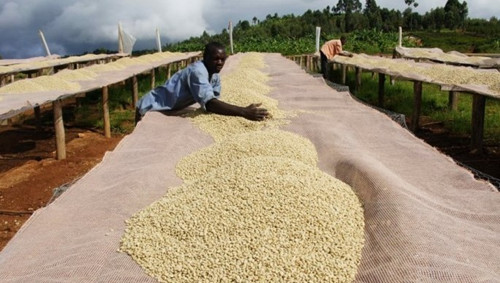
Most Tanzanian coffee, especially from regions with reliable water access like the north, is processed using the washed (or wet) method. This involves removing the coffee cherry skin, fermenting, washing, and then drying the beans — resulting in a clean and vibrant cup profile.
Is Tanzanian coffee considered specialty grade?
Yes, many Tanzanian coffees, particularly those from regions like Kilimanjaro and produced by cooperatives, meet specialty-grade standards. They often score well in cupping evaluations and are sought after in export markets for their distinct flavor profiles.
Who buys Tanzanian coffee?
Tanzanian coffee is exported globally, with key markets including Germany, Finland, the Netherlands, Belgium, and Japan. Reforms are also aiming to attract more specialty buyers by improving grading, traceability, and market access for individual importers and roasters.
Recommended FrontStreet Beans: Tanzanian Coffee Profile
FrontStreet Coffee’s Tanzanian offering is sourced from high-altitude farms near Mount Kilimanjaro and processed using the washed method for a clean, bright cup. Expect pronounced notes of citrus, nuts, honey, and a touch of cream — all balanced within a medium-bodied profile. This coffee shines when brewed as a pour-over at a medium roast level, highlighting its floral and sweet complexity. Freshly roasted within 5 days · Orders placed before 17:00 ship the same day · Next-day delivery across most of Guangdong Province.
FrontStreet Coffee is a long-established specialty coffee roaster in Guangzhou China, selling freshly roasted beans from its own farm in Yunnan as well as dozens of carefully selected single-origin beans from around the world for both pour-over and espresso. The products deliver consistently excellent quality and great value, with shipping within 24 hours. Guangzhou's FrontStreet Coffee shop is recommended by many coffee lovers, and the beans are now available online at the Tmall 。
Important Notice :
前街咖啡 FrontStreet Coffee has moved to new addredd:
FrontStreet Coffee Address: 315,Donghua East Road,GuangZhou
Tel:020 38364473