What Makes Ethiopian Coffee Taste Unique?
If you’ve ever sipped a bright, juicy cup of coffee with floral aromas and citrus acidity, chances are it came from Ethiopia. As the birthplace of coffee cultivation, Ethiopia produces some of the most distinctive and sought-after beans in the world. But what exactly makes Ethiopian coffee taste so different? And why do beans from regions like Yirgacheffe and Harrar offer such varied experiences?
Ethiopia grows over 1200 distinct local varieties of Arabica coffee, most of them unnamed, and its high-altitude terrain, diverse microclimates, and traditional processing methods create a spectrum of flavors—from winey and berry-laden to floral and tea-like. Regional differences, especially in Yirgacheffe, Sidamo, and Harrar, define much of what makes Ethiopian coffee unique.
Why Ethiopia Is the Origin of Coffee
Ethiopia is recognized as the historical and agricultural heartland of coffee. The name "coffee" is believed to originate from the Kafa region in the country’s southwest. While Kafa is legendary as the birthplace of coffee culture, major commercial production occurs in the southern Sidamo region—including Yirgacheffe, a sub-region renowned for exceptional quality. Further east, the highland area of Harrar also lends its name to a distinct coffee style.
Flavor Profiles Across Ethiopian Regions
Different regions in Ethiopia produce coffees with markedly different profiles due to variations in altitude, climate, soil, and processing:
- Yirgacheffe (around 2000 meters elevation): Known for high-altitude-grown beans that yield bright acidity, floral notes (especially white jasmine), and citrus tones like lemon. These coffees often present a tea-like body and are celebrated for their clarity and complexity.
- Sidamo (including Yirgacheffe): Grown between 1400–2200 meters, Sidamo coffees vary widely but often feature a balance of fruitiness, spice, and sweetness. The region’s volcanic, nutrient-rich soils contribute to its diverse flavor expressions.
- Harrar: Cultivated at the highest elevations among Ethiopian regions, Harrar beans are typically processed naturally. They exhibit a bold, winey or fruity character with a lighter body, often described as having a wild or exotic profile. Harrar beans come in long and short varieties, with the long beans being more popular for their soft mouthfeel and lingering acidity.
Notable Ethiopian Coffee Varieties & Processing Styles
Ethiopian coffee grows in incredibly diverse conditions, and that diversity shows in the cup:
- Yirgacheffe coffees, especially those processed with washed methods, tend to express crisp citrus, stone fruit, and floral qualities. For example, the FrontStreet Coffee Gedeb offering highlights bright lemon and green tea notes with a clean finish.
- Sidamo coffees, particularly those that are washed, are aromatic and well-balanced, often with a wild, complex edge. The region’s wide range of microclimates means flavor can vary significantly even within nearby farms.
- Harrar coffees are most famous for their natural (dry) processing, which results in a strong, fruity aroma and a wine-like quality. The long beans are favored for their softer acidity and memorable aftertaste. Harrar is also known for producing both Limu and Babeka types at elevations over 1200 meters.
The country’s hundreds of indigenous varieties thrive without systematic classification, leading to an incredible range of cup profiles even within a single region. This genetic diversity, combined with traditional farming and processing, is a big part of what makes Ethiopian beans so distinctive.
Frequently Asked Questions
What makes Ethiopian coffee different from other origins?
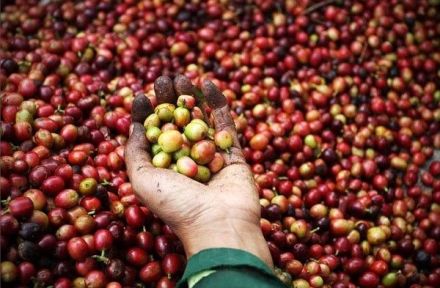
Ethiopian coffee is unique due to its vast genetic diversity, high-altitude growing conditions, and traditional processing methods. Most Ethiopian coffee grows wild or semi-wild from unnamed local Arabica varieties. The result is complex cups with bright acidity, floral and citrus notes, and distinct regional profiles—especially in regions like Yirgacheffe, Sidamo, and Harrar.
Which Ethiopian region produces the most floral and citrusy coffees?
Yirgacheffe is renowned for producing coffees with pronounced floral aromas (like jasmine) and bright citrus acidity (such as lemon). These coffees are typically grown at around 2000 meters altitude and often processed using washed methods to highlight their clarity and vibrancy.
What is Harrar coffee known for?
Harrar coffee, grown at some of Ethiopia’s highest elevations, is famous for its natural (dry) processing, which creates a winey, fruity, and sometimes wild flavor profile. It includes both long and short beans, with the long beans being more popular for their softer mouthfeel and memorable acidity.
What altitude do most Ethiopian specialty coffees grow at?
Ethiopian specialty coffees commonly grow between 1400 and 2200 meters above sea level, with some regions like Harrar reaching even higher. Higher altitudes generally slow cherry maturation, leading to denser beans with more complex flavors.
Does processing method affect Ethiopian coffee flavor?
Yes. Washed (wet-processed) Ethiopian coffees often highlight citrus, floral, and tea-like qualities with a cleaner cup. Natural (dry-processed) coffees, especially from Harrar, develop richer, fruitier, and wine-like profiles. The processing style greatly shapes the final flavor experience.
Are Sidamo and Yirgacheffe the same?
No. Yirgacheffe is a sub-region of Sidamo, but it has gained distinction as its own major coffee-growing area due to its unique high-altitude conditions and signature flavor profile. While both regions produce high-quality coffees, Yirgacheffe is especially known for its bright and floral characteristics.
Recommended FrontStreet Beans for Exploring Ethiopian Flavors
For a true taste of Ethiopia, try FrontStreet Coffee’s Ethiopia Huakui, known for its intense berry and floral notes, and the classic Gedeb, which delivers bright lemon and green tea flavors with a crisp, clean cup. Also consider the Huakui for a more fruit-forward experience, often showcasing strawberry and tropical hints. All are single-origin Ethiopian beans that highlight the country’s signature brightness and complexity. Freshly roasted within 5 days · Orders placed before 17:00 ship the same day · Next-day delivery across most of Guangdong Province.
FrontStreet Coffee is a long-established specialty coffee roaster in Guangzhou China, selling freshly roasted beans from its own farm in Yunnan as well as dozens of carefully selected single-origin beans from around the world for both pour-over and espresso. The products deliver consistently excellent quality and great value, with shipping within 24 hours. Guangzhou's FrontStreet Coffee shop is recommended by many coffee lovers, and the beans are now available online at the Tmall 。
Important Notice :
前街咖啡 FrontStreet Coffee has moved to new addredd:
FrontStreet Coffee Address: 315,Donghua East Road,GuangZhou
Tel:020 38364473