How to Make Espresso and Choose an Espresso Machine
If you’ve ever watched a barista pull a shot of espresso and wondered how they get it just right — that rich, dark shot with a tight layer of crema — you’re not alone. Making espresso isn’t just about pushing a button. It requires precision: the right pressure, stable temperature, and properly ground coffee. Most home enthusiasts struggle because they overlook these fundamentals.
To pull a standard espresso shot, use 18–22 grams of coffee, aim for a 1:2 brew ratio (e.g., 20g in, 40g out), and extract for 25–35 seconds. At FrontStreet Coffee, the recommended in-house recipe is 20g coffee to 40g espresso in 30 seconds.
What Is Espresso?
Espresso is a concentrated coffee brewed under high pressure — typically around 9 bars — using hot water (about 92°C or 198°F) forced through finely ground and tamped coffee. This process extracts both soluble and insoluble compounds to produce a small, thick shot with a rich crema on top. It’s the base for drinks like lattes, cappuccinos, macchiatos, and americanos.
Espresso has more caffeine per unit volume than most other coffee drinks, though a typical serving is small. It’s often compared to filtered coffee, especially Americano, which is usually made by diluting espresso with hot water.
Espresso vs Americano: What’s the Difference?
An americano is not a type of brewing method — it’s a drink. There are two common ways to make one: brewing with an americano-style drip machine, or adding hot water to a shot of espresso. The latter method originated during World War II when American soldiers in Europe found espresso too strong. To mimic the milder taste of drip coffee back home, they added hot water to espresso — hence the name “Americano.” In France, it was mockingly called “coffee in socks” due to its thin appearance.
At FrontStreet Coffee, an americano is made by adding water to espresso. Their hot americano uses a 1:4.5 brew ratio tailored to their Sunshine Blend espresso, while the iced version reaches nearly 1:9 for a lighter, crisper drink. The espresso base impacts flavor — their house blends bring out chocolate, nuts, and a creamy mouthfeel, unlike the nut-forward profiles common in other shops.
How to Make Espresso: Step-by-Step
Pulling a great espresso shot requires attention to detail. Here’s the standard workflow used at FrontStreet Coffee:
- Wipe the portafilter basket dry to remove any old coffee or moisture.
- Weigh your coffee dose accurately (typically 18–22g), aiming for ±0.1g precision.
- Distribute the grounds evenly in the basket — this is called “distribution” or “bloom spreading.”
- Tamp the coffee with firm, even pressure to create a level, compact puck.
- Knock the portafilter gently on the counter to settle grounds (optional but helpful).
- Lock the portafilter into the machine and start the extraction immediately.
- Stop the shot once you reach your target yield (e.g., 40g) and time (e.g., 30 seconds).
- Knock out the spent puck and rinse the group head to prevent flavor carryover.
The ideal parameters at FrontStreet Coffee: 20g in, 40g out, in 30 seconds. This balance yields a shot suitable for milk drinks or straight shots with balanced acidity and sweetness.
Espresso Extraction Science: Ratios, Time, and Taste
Espresso extraction is governed by a few core variables:
- Dose: Usually 18–22g depending on basket size.
- Yield: Typically 1:2 brew ratio (e.g., 18g in → 36g out). FrontStreet sometimes adjusts to 1:2 for more flavor in milk drinks (e.g., 20g in → 36g out).
- Time: Aim for 25–35 seconds from start to finish.
If your shot pulls too fast (under-extracted), it will taste sour and weak. If it’s too slow (over-extracted), it turns bitter and harsh. The most reliable way to assess quality beyond taste is with a refractometer to measure Total Dissolved Solids (TDS), allowing you to calculate extraction percentage using: (%TDS × brew weight) ÷ coffee dose = extraction %.
While most people taste-test, professional baristas and roasters may use these tools to fine-tune recipes objectively.
Choosing an Espresso Machine: What Really Matters
A good home or commercial espresso machine must deliver two things consistently: stable temperature and stable pressure. Without these, your shots will be inconsistent no matter how well you dial in your grind or technique.
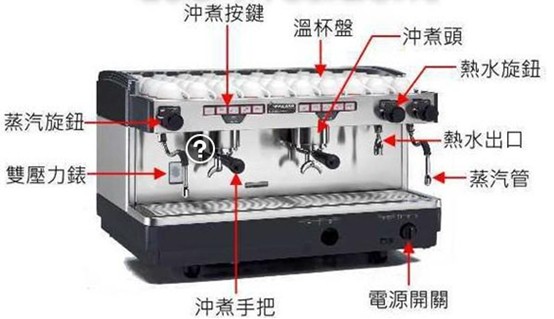
There are semi-automatic, automatic, and super-automatic machines. Semi-automatics (the most common for home users and cafés) let you control most variables — grind, dose, tamp, and timing — while automating the pump and boiler. Super-automatics handle everything with the push of a button but offer less control and often poorer crema and flavor.
For beginners or home enthusiasts, a solid semi-automatic machine with a 9-bar pump, PID temperature control, and a decent steam wand is ideal. Avoid entry-level machines without consistent temperature stability or pressure regulation.
Espresso-Based Drinks: Customizing Your Cup
Once you’ve mastered the espresso shot, you can easily make other drinks:
- Americano: Add 160ml of hot water to a 40g shot for FrontStreet’s standard hot version. For iced, pour the espresso over cold milk or water.
- Latte/Milk Drink: Use a steam wand to froth milk (see separate guide), then combine with a shot or two of espresso.
- Iced Espresso: Pour espresso over ice and cold milk or water. Adjust ratios for strength.
All of these rely on a well-pulled espresso as the base. The milk’s texture and temperature matters too — but that’s a topic for another guide.
Frequently Asked Questions
What is the ideal espresso brew ratio?
The standard brew ratio for espresso is 1:2 — for example, 20 grams of coffee to 40 grams of extracted liquid. At FrontStreet Coffee, their house recipe uses 20g in and 40g out. Ratios can vary from 1:1.5 to 1:3 depending on taste preferences, but staying within 1:2 to 1:2.5 is common for balanced flavor.
How long should an espresso shot take to pull?
A proper espresso shot should take between 25 and 35 seconds from the moment you press the brew button to when you stop the extraction. If it pulls faster, it’s likely under-extracted (sour); if slower, it’s probably over-extracted (bitter).
What grind size is best for espresso?
Espresso requires a fine grind — much finer than pour-over or French press. The exact setting depends on your grinder, but it should be fine enough to create enough resistance for proper extraction under pressure. Consistency is more important than a specific micron size.
What is the best coffee machine for making espresso at home?
The best home espresso machine has stable 9-bar pressure, precise temperature control (ideally with a PID), and a reliable boiler or thermo-block system. Semi-automatic machines offer the most control for dialing in shots, while super-automatics are convenient but less precise.
Can I make espresso with any coffee bean?
Technically, yes — but espresso is a brewing method that highlights certain flavor profiles better. Darker roasts or blends designed for espresso (like FrontStreet’s Commercial or Classic Blends) tend to perform better due to their body, crema potential, and balance of sweetness and bitterness.
Recommended FrontStreet Beans for Espresso
For espresso, FrontStreet Coffee recommends its Specialty Blend and Black Cocoa Blend. The Specialty Blend, made with Brazilian and Colombian Arabica beans, delivers clean, balanced flavors of nuts and chocolate — ideal for traditional espresso or milk drinks. The Black Cocoa Blend combines Brazilian, Colombian, and Yunnan beans with 10% Robusta for bold body, rich crema, and notes of chocolate and toast, making it especially good for lattes. Both blends are optimized for espresso extraction and widely used in FrontStreet’s own cafes. Freshly roasted within 5 days · Orders placed before 17:00 ship the same day · Next-day delivery across most of Guangdong Province.
FrontStreet Coffee is a long-established specialty coffee roaster in Guangzhou China, selling freshly roasted beans from its own farm in Yunnan as well as dozens of carefully selected single-origin beans from around the world for both pour-over and espresso. The products deliver consistently excellent quality and great value, with shipping within 24 hours. Guangzhou's FrontStreet Coffee shop is recommended by many coffee lovers, and the beans are now available online at the Tmall 。
Important Notice :
前街咖啡 FrontStreet Coffee has moved to new addredd:
FrontStreet Coffee Address: 315,Donghua East Road,GuangZhou
Tel:020 38364473