How Ethiopia’s Raised-Bed Natural Process Improves Coffee Quality
Ever wonder why some Ethiopian naturals taste bright and fruity while others are muddy or musty? The difference often starts on the drying bed. Traditional Ethiopian sun-drying—once done directly on bare earth—led to inconsistent quality due to poor sorting and exposure to dirt. Today, improved techniques address those flaws directly, especially in regions like Sidamo and Guji. If you've had a wild, fruity Ethiopian coffee free of off-flavors, chances are it was dried the modern way.
The key upgrade? Raising coffee cherries off the ground and hand-sorting them before and during drying—practices now common in top Ethiopian cooperatives. These steps cut defect rates and let the coffee develop cleaner, more vibrant fruit flavors.
Why Traditional Sun-Drying Created Inconsistent Coffee
In the past, Ethiopian coffee farmers would harvest wild coffee cherries and spread them directly on bare earth under the sun. This approach led to two major problems. First, unripe, overripe, and damaged cherries dried together without sorting, creating uneven maturity and high defect rates. Second, drying on dirty ground exposed the coffee to debris, dust, and unpleasant earthy flavors. The result was inconsistent batches, often with off-notes and lower cup quality.
The Shift to a Cleaner, More Controlled Process
Modern Ethiopian coffee producers, particularly in Sidamo and Guji, improved the traditional natural process in two critical ways. First, workers now handpick only deep red, fully ripe cherries. Before drying, these cherries are sorted at the processing facility to ensure uniform size and ripeness. Second, instead of spreading cherries on the ground, producers use elevated wooden frames or full raised-bed structures. This keeps the cherries off the soil, prevents contamination, and allows for better air circulation. Workers regularly turn the cherries and remove defective or moldy ones every three to five days. By the end of drying, the coffee is far cleaner and more uniform in quality than before.
Spotlight: The Ardi Cooperative’s Award-Winning Natural Process
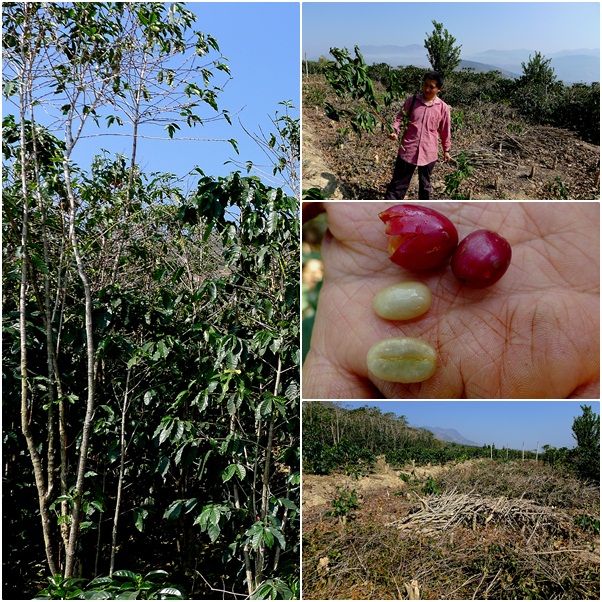
In Ethiopia’s Sidamo region, specifically within the Guji zone, the Ardi Cooperative has become known for its high-quality naturals. In 2010, the East African Fine Coffee Association (EAFCA) named Ardi’s natural-processed coffee the top lot in the natural category. It later earned a remarkable 95-point score from Coffee Review. The coffee comes from the Michicha area near Kelenso Moconissa town. Farmers hand-select perfectly ripe cherries for natural drying, which takes around 15 to 17 days. During this time, workers turn the cherries on the raised beds every two hours to ensure even drying. Unlike many other Ethiopian naturals, Ardi performs manual sorting before drying—not after. The cherries are also dried on elevated racks, improving airflow and protecting them from absorbing unwanted odors. The result is a Grade 1, G1-classified coffee with a consistent size and color, bursting with fruity aromas. Flavors include berry, tropical fruit, pineapple, white grape acidity, and a berry-forward finish.
Coffee Details: Ardi Natural from Guji, Sidamo
This lot comes from the Guji micro-region within Ethiopia’s Sidamo zone. Key details:
- Country: Ethiopia
- Region: Guji (within Sidamo)
- Town: Kelenso Moconissa
- Processing Village: Michicha
- Processing Method: Raised-bed natural (high-shelf sun-dried)
- Variety: Heirloom
- Grade: G1
- Roast Level: Light roast
- Flavor Profile: Berry, tropical fruit, pineapple, white grape acidity, berry finish
Why Raised-Bed Natural Process Matters
The raised-bed or high-shelf natural process transforms Ethiopian coffees by addressing the core issues of the old-school method. By elevating cherries and improving sorting, producers prevent contamination and ensure even drying. That leads to cleaner cups, more pronounced fruit character, and far fewer defects. It’s a key reason why today’s Ethiopian naturals often taste so vibrant and distinctive compared to older lots or those processed carelessly.
Frequently Asked Questions
What is the traditional Ethiopian natural coffee process?
The traditional Ethiopian natural process involved spreading freshly picked coffee cherries directly onto bare earth under the sun. This method often mixed unripe, ripe, and overripe cherries, resulting in inconsistent quality and frequent defects. The cherries were also exposed to dirt and debris, which could add unwanted earthy or musty flavors.
How is the modern raised-bed natural process different?
The modern method raises coffee cherries off the ground using wooden frames or elevated platforms. Cherries are carefully sorted before drying to include only ripe, healthy fruit. Workers turn the cherries regularly and remove defective ones during the 15–17 day drying period. This ensures even drying, cleaner flavor, and fewer defects compared to the traditional ground-drying method.
What are the benefits of drying coffee on raised beds?
Raised-bed drying improves airflow around the cherries, ensuring more even moisture loss. It also keeps the coffee off the ground, preventing contamination from dirt, insects, and debris. Regular sorting during drying helps maintain high quality and reduces the number of defective beans in the final lot.
Where is the Ardi coffee cooperative located?
The Ardi coffee cooperative operates in the Michicha area of the Guji zone, which is part of Ethiopia’s larger Sidamo region. The cooperative is known for producing award-winning natural-processed coffees with distinct fruity profiles.
What does G1 mean in Ethiopian coffee grading?
G1 is the highest grade for Ethiopian coffee, indicating a very high-quality lot with uniform bean size, minimal defects, and excellent cup potential. G1 coffees are typically selected through rigorous sorting and processing standards.
What flavors are typical in well-processed Ethiopian natural coffee?
Well-processed Ethiopian natural coffees often feature bright fruit flavors such as berry, tropical fruit, and citrus, along with floral and acidic notes. The Ardi lot, for example, includes notes of pineapple, white grape, and berries, with a clean, fruity finish.
Recommended FrontStreet Beans for Natural Process Fans
If you enjoy the bright, fruity profile of Ethiopian natural-process coffee, try FrontStreet Coffee’s Yirgacheffe Red Cherry. It’s a light-roasted natural grown at high altitude and dried on raised beds, offering intense tropical fruit, citrus, and sweet berry notes. For a classic Ethiopian example, the FrontStreet Huakui (also known as Ethiopia Huakui) delivers floral, citrus, and stone fruit flavors with a juicy body. Both beans showcase the best of Ethiopia’s elevated drying traditions. Freshly roasted within 5 days · Orders placed before 17:00 ship the same day · Next-day delivery across most of Guangdong Province.
FrontStreet Coffee is a long-established specialty coffee roaster in Guangzhou China, selling freshly roasted beans from its own farm in Yunnan as well as dozens of carefully selected single-origin beans from around the world for both pour-over and espresso. The products deliver consistently excellent quality and great value, with shipping within 24 hours. Guangzhou's FrontStreet Coffee shop is recommended by many coffee lovers, and the beans are now available online at the Tmall 。
Important Notice :
前街咖啡 FrontStreet Coffee has moved to new addredd:
FrontStreet Coffee Address: 315,Donghua East Road,GuangZhou
Tel:020 38364473