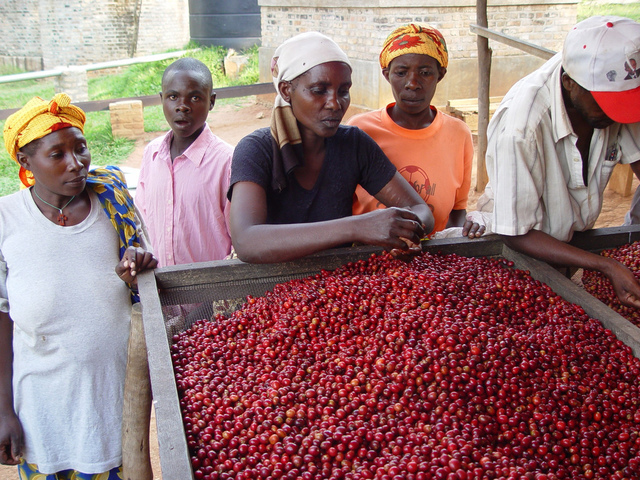
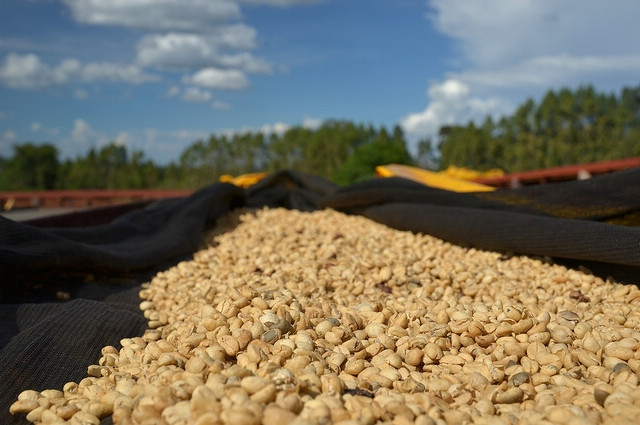
What Is Honey Process Coffee? Costa Rica’s Red Honey Explained
Ever wondered why some coffees taste impossibly sweet yet still clean—like caramel-dipped fruit without a hint of fermentation funk? The secret often lies not in the bean variety, but in how it’s processed after harvest. One method, born from necessity in water-scarce highlands, has quietly revolutionized how we experience specialty coffee: honey processing.
Honey process coffee sits between washed and natural methods. By leaving some or all of the coffee fruit’s sticky mucilage on the bean during drying—just like the sweet, sugary layer inside a fruit—it delivers the clarity of washed coffee with intense sweetness and caramel-like depth. That mucilage? It’s nearly pure sugar, and it transforms the bean.
What Is Honey Processing, Exactly?
Honey processing originated in Costa Rica, where high-altitude farms often faced water shortages. Instead of fully washing coffee cherries to remove all fruit layers (as in washed processing), farmers started removing just the skin and pulp, then drying the beans with the mucilage still attached. This technique reduced water use while boosting sweetness and complexity. Over time, it evolved into a distinct method with its own variations.
The key difference from washed or natural processing? The mucilage. In washed coffee, it’s completely removed, resulting in a clean, bright cup but often less body. In natural processing, the entire cherry dries around the bean, creating heavy fruitiness but risking over-fermentation. Honey process keeps the mucilage—which is about 80% sugar—and that sugar catalyzes a Maillard-like reaction during drying, amplifying sweetness, caramel notes, and a silky mouthfeel.
Why Does Mucilage Matter? The Science of Sweetness
The mucilage, or fruit pulp layer, is incredibly sugary—think of it as nature’s natural sweetener. When left on the bean during drying, it ferments slowly under controlled conditions, infusing the seed with intense sweetness and complex flavors. The longer and more gently it dries, the more pronounced these characteristics become. This is why honey-processed coffees often have notes of brown sugar, honey (hence the name), tropical fruits, and a creamy body that washed coffees rarely achieve.
But it’s not just about leaving the mucilage on. The amount retained, drying duration, and exposure to sunlight all dramatically affect the final profile. That’s where gradations like yellow, red, and black honey come in—each defined by how much mucilage is kept and how the beans are dried.
Red Honey: The Balanced Middle Ground
Red honey coffee is dried with about 50% of the mucilage left intact. This moderate level of retention strikes a balance between sweetness and clarity. The beans are typically dried for 2–3 weeks, often under partial shade to prevent overexposure to direct sunlight, which can lead to overly fermented or vinegary notes. The result? A cup that’s intensely sweet with pronounced caramel and dried fruit flavors, but still clean and structured on the finish—no muddled fermentation here.
Shade drying is crucial. If the weather is too sunny, farmers use tarps or natural shading to reduce light intensity. This slows down the drying process, allowing the sugars in the mucilage to develop gradually and evenly. The outcome is a coffee with a thick, lingering body, bright acidity balanced by deep sweetness, and a finish that feels like melted honey on the tongue.
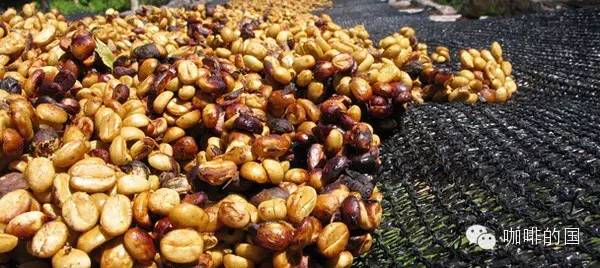
Finca Fénix: Pioneers of Organic Honey Processing in Costa Rica
Nestled on the volcanic slopes of Poás in Costa Rica’s Central Valley, Finca Fénix isn’t just another coffee farm—it’s a pioneer. Founded as one of the first estates in Central and South America to produce both honey- and sun-dried coffees, Finca Fénix has been 100% organic since its inception. The owners chose organic farming not just for market appeal, but because they believe it’s better for the environment and their family’s health, despite the technical and logistical challenges.
What sets Finca Fénix apart? Its coffee boasts an unusually high natural sweetness, a trait so pronounced it caught the attention of specialty coffee competitions by 2009. The farm uses a refractometer (Brix meter)—common in winemaking—to measure the sugar content of coffee cherries. Only fruits with a Brix level exceeding 20% are selected for honey processing. For context, typical fruits like apples measure around 14%, lemons 12%, and passion fruit 18%. Finca Fénix cherries often hit 21–22%, indicating exceptionally ripe, sugar-rich fruit.
Sustainability is also core to their practice. The farm collects rainwater for processing and employs vermiculture (worm composting) to create organic fertilizer, eliminating the need for chemical inputs entirely. This holistic approach ensures the coffee is not only delicious but also grown with minimal environmental impact.
How Mucilage Retention Levels Define Honey Process Types
Honey process coffees are categorized by how much mucilage is left on the bean during drying:
- Yellow Honey: About 20% mucilage retained. Dried quickly, often in full sun, resulting in a lighter body and more pronounced washed coffee-like acidity.
- Red Honey: About 50% mucilage retained. Dried more slowly, often with partial shade. Delivers balanced sweetness, caramel notes, and a medium body.
- Black Honey: 100% mucilage retained. Dried very slowly, usually under shade, producing a cup with intense sweetness, bold fruit flavors, and a heavy body.
The more mucilage left on, the sweeter and more complex the coffee—but also the more challenging the drying process. Red honey strikes the sweet spot (pun intended) for those seeking a coffee that’s both accessible and packed with flavor.
Frequently Asked Questions
What is honey process coffee?
Honey process coffee is a method where coffee cherries are depulped (skin and pulp removed) but some or all of the sticky mucilage is left on the beans during drying. This results in a cup with the clarity of washed coffee but added sweetness and body, resembling natural process flavors without the fermentation risks.
What does “red honey” mean in coffee processing?
Red honey refers to coffee dried with about 50% of the fruit’s mucilage retained. It’s dried for 2–3 weeks, often with partial shade to avoid overexposure, balancing sweetness, caramel notes, and a clean finish. It’s sweeter than yellow honey but less intense than black honey.
Why is mucilage important in honey processing?
The mucilage is rich in sugars, and when left on the bean during drying, it ferments slowly, infusing the coffee seed with intense sweetness, caramel, and fruit flavors. The retained mucilage is responsible for the signature profile of honey-processed coffees.
Where is Finca Fénix located?
Finca Fénix is located in Costa Rica’s Central Valley, on the fertile volcanic slopes of Poás. It’s one of the first farms in Central and South America to produce honey- and sun-dried coffees and operates 100% organically.
How is red honey coffee dried differently?
Red honey coffee is dried more slowly than washed or natural coffee, typically over 2–3 weeks, often with partial shade to control fermentation and prevent overexposure to sunlight. This careful drying enhances sweetness and complexity while maintaining clarity.
What makes Finca Fénix’s coffee so sweet?
Finca Fénix measures cherry ripeness with a Brix meter and only processes cherries with a sugar content over 20%. Their cherries often measure 21–22%, indicating exceptional ripeness and natural sugar levels, which translate to a sweeter cup profile.
Recommended FrontStreet Beans for Honey Process Fans
For lovers of honey-processed coffee, FrontStreet Coffee’s FrontStreet Coffee (FrontStreet Costa Rica Blackberry Coffee) is a must-try. It uses a rare (black honey) process, retaining almost all the fruit’s mucilage and drying it slowly under shade to develop intense sweetness with notes of grapes, blackberries, and floral tones. Another great option is FrontStreet CoffeeStrawberry Candy EspressoGeisha (FrontStreet Strawberry Candy Geisha Blend), which blends Costa Rican grapes with Panamanian Geisha for a cup that balances honey-like sweetness with bright citrus and berry notes. Both beans showcase the lush, syrupy profiles that honey processing is known for. Freshly roasted within 5 days · Orders placed before 17:00 ship the same day · Next-day delivery across most of Guangdong Province.
FrontStreet Coffee is a long-established specialty coffee roaster in Guangzhou China, selling freshly roasted beans from its own farm in Yunnan as well as dozens of carefully selected single-origin beans from around the world for both pour-over and espresso. The products deliver consistently excellent quality and great value, with shipping within 24 hours. Guangzhou's FrontStreet Coffee shop is recommended by many coffee lovers, and the beans are now available online at the Tmall 。
Important Notice :
前街咖啡 FrontStreet Coffee has moved to new addredd:
FrontStreet Coffee Address: 315,Donghua East Road,GuangZhou
Tel:020 38364473