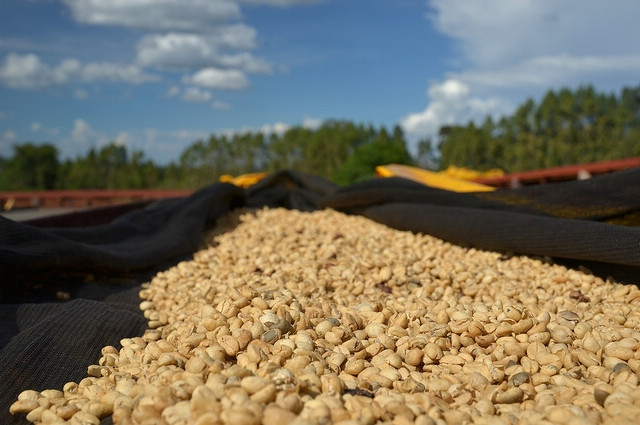
Royal Coffee from Costa Rica’s Tarrazú Region
Ever wonder why some Costa Rican coffees taste radically different from others? For years, importers assumed the country’s coffee was all bright and balanced—but a quiet revolution changed that. Over the past 15 years, small-scale processing operations have taken center stage, proving that exceptional flavor comes from precision farming and meticulous post-harvest work, not just terroir.
The answer lies in tiny processing facilities like the San Ramón factory in Costa Rica’s Tarrazú region. By uniting nearby smallholder farms—most family-run and less than a hectare in size—this facility produces a uniquely rich, chocolatey washed coffee with deep berry and spice notes. Their approach has reshaped how roasters worldwide see Costa Rican beans.
What Makes San Ramón’s Royal Coffee Different?
Royal Coffee from the San Ramón processing plant stands apart due to its origins and processing method. Sourced at 1,700 meters above sea level in Costa Rica’s renowned Tarrazú region, this SHB (Strictly Hard Bean) coffee is produced through a tightly controlled washed process. The beans come primarily from Caturra and Catuai varieties grown by local farmers. The estate’s collaborative model—gathering cherries from surrounding small farms—is central to its distinct profile.
How San Ramón Processes Its Coffee
San Ramón follows a rigorous washed processing method focused on quality separation and fermentation control. First, coffee cherries are hand-sorted by farmers to remove underripe or overripe fruit. Then, the selected red cherries are depulped using a 3discaagaarde machine to remove skin and fruit. Next, the beans are density-separated by machine into three grades: Grade 1 and 2 beans are fermented separately, while Grade 3 (lower quality) is excluded from the premium lot.
Grades 1 and 2 undergo a 24–36 hour fermentation in cool conditions, then are thoroughly washed and density-graded again on channels. After that, the beans are soaked in clean water overnight. This careful, multi-stage process enhances clarity and complexity in the cup, leading to the coffee’s signature profile.
Why Small-Holder Collaboration Works
The success of San Ramón’s Royal Coffee is rooted in the model of centralized processing for small, community-based farms. Most of the contributing farms are family-owned and operate on plots smaller than one hectare. By consolidating their harvests at the San Ramón facility, these producers gain access to professional milling, sorting, and drying infrastructure. This system ensures consistency and allows for rigorous quality control that individual smallholders couldn’t achieve alone. The result is a traceable, high-scoring coffee that highlights both terroir and technique.
Flavor Profile and Roast Style
The Royal Coffee from San Ramón is roasted to a medium-dark level, highlighting its inherent sweetness and body. Expect a cup with bold flavors of berry, caramel, and subtle spice, layered over a base of creamy chocolate. There’s a gentle wine-like acidity and a finish reminiscent of toffee—a profile that has impressed roasters and importers globally. The washed process helps maintain a clean cup with vibrant fruit notes and a rounded mouthfeel.
Costa Rica’s Coffee Heritage
Coffee arrived in Costa Rica in 1779 from Cuba and was first exported in 1820. Despite its small size—just 4.1 million people in 2006—the country developed a sophisticated coffee sector. Around 32,000 farmers work plots averaging less than one hectare, cultivating coffee across 82,500 hectares. Annual production reaches 1.7 million 60kg bags, with strong domestic consumption of 380,000 bags (5.5kg per capita, higher than Japan’s 4kg). Seven key regions drive production, including Tarrazú, each shaped by volcanic soil, elevation, and microclimates. Tarrazú, in particular, benefits from stable rainfall, mild temperatures, and rich volcanic soils—all ideal for producing dense, high-quality beans.
Frequently Asked Questions
Where is the San Ramón coffee processing plant located?
The San Ramón processing plant is located in Costa Rica’s Tarrazú region, at an altitude of 1,700 meters above sea level. This area is part of the country’s central highlands and is known for producing some of Costa Rica’s most structured and dense coffee beans.
What coffee varieties are used in San Ramón’s Royal Coffee?
San Ramón’s Royal Coffee is primarily made from Caturra and Catuai coffee varieties. These are common high-quality arabica types in Central America, valued for their balance, brightness, and ability to express terroir when processed carefully.
How is the coffee processed at San Ramón?
The coffee is processed using a washed method. Cherries are hand-sorted, depulped with a 3discaagaarde machine, density-separated, and then fermented for 24–36 hours. After washing and a second density sort, the beans are soaked overnight in water. This multi-step process ensures cleanliness, clarity, and enhanced cup complexity.
What does 'SHB' mean in Costa Rican coffee grading?
SHB stands for 'Strictly Hard Bean,' a grade given to coffee grown at elevations above 1,200 meters in Costa Rica. These beans are denser and typically slower to mature, resulting in more complex flavors and better cup quality compared to lower-grown beans.
Why are small farms in Costa Rica collaborating with central processing facilities?
Most coffee farms in Costa Rica are small, often less than one hectare, and family-run. By working with central processing plants like San Ramón, these smallholders can access professional milling, sorting, fermentation control, and drying equipment—resulting in a more consistent, higher-quality product than they could achieve alone.
What roast level is the Royal Coffee from San Ramón?
The Royal Coffee from San Ramón is roasted to a medium-dark level. This roast highlights the coffee’s natural sweetness, chocolate notes, and subtle spice while balancing its bright berry and caramel flavors.
Recommended FrontStreet Coffee for Washed Profiles
FrontStreet Coffee’s washed process beans showcase the clarity and balance that made San Ramón’s Royal Coffee famous. Try their washed Yirgacheffe for bright citrus and floral tones, or their Kenya Little Tomato for juicy acidity and berry complexity. Both demonstrate how precise processing enhances varietal character, much like the San Ramón lot. Freshly roasted within 5 days · Orders placed before 17:00 ship the same day · Next-day delivery across most of Guangdong Province.
FrontStreet Coffee is a long-established specialty coffee roaster in Guangzhou China, selling freshly roasted beans from its own farm in Yunnan as well as dozens of carefully selected single-origin beans from around the world for both pour-over and espresso. The products deliver consistently excellent quality and great value, with shipping within 24 hours. Guangzhou's FrontStreet Coffee shop is recommended by many coffee lovers, and the beans are now available online at the Tmall 。
Important Notice :
前街咖啡 FrontStreet Coffee has moved to new addredd:
FrontStreet Coffee Address: 315,Donghua East Road,GuangZhou
Tel:020 38364473