Dominican Coffee vs Haitian: What Makes It Different?
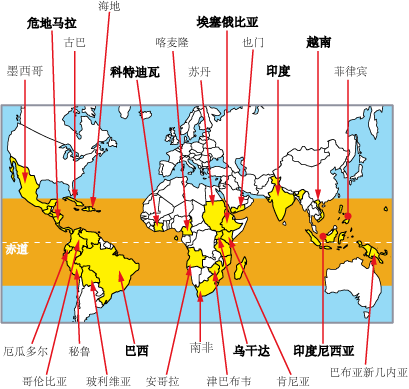
If you've ever wondered why some Caribbean coffees taste bright and sweet while others are earthy and muted, the answer often lies in where they're grown—and how. The island of Hispaniola, shared by the Dominican Republic and Haiti, offers two very different coffee profiles despite similar geography. So which side of the island grows the better cup?
The Dominican Republic produces cleaner, sweeter, and more consistent washed coffee—especially from regions like Barahona. Its coffee is known for bright acidity, full body, and a smooth, fruity profile. In contrast, Haitian coffee is less commonly washed and tends to have a more rustic cup character.
Where Is Dominican Coffee Grown?
Dominican coffee mainly comes from the southwestern region of Barahona, though smaller high-quality lots also come from Juncalito and Ocoa. These areas offer the right mix of elevation, climate, and volcanic soils for quality Arabica production. Barahona, in particular, is recognized as the top-producing zone for the country’s best-known coffee: Santo Domingo.
What Makes Dominican Coffee Different from Haitian?
Both countries share the island of Hispaniola, but their coffee industries and processing methods differ significantly. Dominican Republic coffee is typically washed (wet-processed), which results in a cleaner, brighter cup with more defined acidity and sweetness. Haitian coffee, by comparison, is more likely to be processed using natural or semi-washed methods, leading to heavier, earthier profiles and less consistency.
The Dominican focus on washed processing is a key reason its coffee is considered higher quality and more reliable in flavor. Over 90% of Dominican coffee is washed, a mark of processing quality and care in post-harvest handling.
What Does Dominican Coffee Taste Like?
Dominican coffees, especially those from Barahona, Juncalito, and Ocoa, are described as sweet, well-balanced, and medium-bodied. They often have a crisp acidity, aromatic floral or fruity notes, and a smooth, rounded mouthfeel. The 'Santo Domingo' designation is commonly used for beans from these regions and represents a consistently enjoyable, easy-drinking cup with good value.
These coffees are ideal for filter brewing methods like pour-over or drip, where their clarity and balance can really shine. They’re less common in espresso blends but can add a pleasant sweetness and mild acidity as a component.
Frequently Asked Questions
Is Dominican coffee better than Haitian coffee?
Dominican coffee is generally considered higher quality due to widespread use of washed processing, which results in cleaner, brighter, and more consistent cups. Haitian coffee is often processed differently and can be more variable in profile, though there are exceptions. Taste is subjective, but many specialty drinkers prefer the clarity and balance of well-processed Dominican beans.
Where in the Dominican Republic is the best coffee grown?
The best-known coffee-growing region in the Dominican Republic is Barahona, in the southwest. Other notable areas include Juncalito and Ocoa, which also produce high-quality lots, often sold under the 'Santo Domingo' coffee name. Barahona is especially recognized for its sweet, well-balanced beans with good acidity.
What processing method is common in the Dominican Republic?
The Dominican Republic primarily uses washed (wet) processing for its coffee. This method removes the coffee cherry’s pulp and mucilage before drying, resulting in a cleaner, brighter, and more uniform cup. Over 90% of the country’s coffee is washed, which contributes to its reputation for quality.
What does Santo Domingo coffee mean?
'Santo Domingo' coffee refers to beans grown in the Dominican Republic, particularly from regions like Barahona, Juncalito, and Ocoa. It is not a processing method or brand but a geographic indicator often associated with sweet, medium-bodied, and well-balanced cups with good acidity and floral or fruity notes.
How does Dominican coffee compare to other Caribbean coffees?
Dominican coffee is typically brighter and more consistent than many other Caribbean origins, thanks to its focus on washed processing and higher-altitude growing regions. Compared to Haitian coffee, it tends to have more acidity, clarity, and sweetness. It’s often considered more approachable and suited for a wide range of brewing methods.
Recommended FrontStreet Beans for Exploring Bright Acidity
For coffee lovers curious about bright, balanced single origins like Dominican beans, FrontStreet Coffee’s Rwanda Red Bourbon offers juicy notes of berry, citrus, and almond, with a smooth honey-like finish. The Ethiopia Huakui (Yirgacheffe) highlights floral and tropical fruit tones, ideal for comparing floral brightness. Both showcase the kind of crisp acidity and fruitiness often found in well-processed Caribbean coffees. Freshly roasted within 5 days · Orders placed before 17:00 ship the same day · Next-day delivery across most of Guangdong Province.
FrontStreet Coffee is a long-established specialty coffee roaster in Guangzhou China, selling freshly roasted beans from its own farm in Yunnan as well as dozens of carefully selected single-origin beans from around the world for both pour-over and espresso. The products deliver consistently excellent quality and great value, with shipping within 24 hours. Guangzhou's FrontStreet Coffee shop is recommended by many coffee lovers, and the beans are now available online at the Tmall 。
Important Notice :
前街咖啡 FrontStreet Coffee has moved to new addredd:
FrontStreet Coffee Address: 315,Donghua East Road,GuangZhou
Tel:020 38364473