Where to Find Good Coffee Beans in the Caribbean? Look to Guadeloupe
Ever wondered why some of the world’s once-great coffee regions no longer export beans? Guadeloupe, a small island group in the Caribbean, was once a significant coffee producer—but today, almost no one outside the islands has tasted its coffee. What changed, and why does a coffee called Bonifieur still matter to coffee historians and enthusiasts?
The short answer: Guadeloupe produced over 4,000 tons of coffee in 1789 from 1 million trees on 500 hectares. Today, just 150 hectares remain under coffee cultivation. Natural disasters, economic shifts, and policy changes nearly wiped out its coffee industry entirely.
Guadeloupe’s Former Coffee Glory
In the late 18th century, Guadeloupe was a coffee powerhouse. With 500 hectares planted, more than 1 million coffee trees yielded around 4,000 tons annually. The coffee grown there was considered high quality, especially a type referred to as Bonifieur—a name that still holds prestige in coffee history.
This productivity made Guadeloupe one of the notable coffee origins in the Caribbean during the colonial era. But that success didn’t last.
What Happened to Guadeloupe’s Coffee Production?
By today’s standards, Guadeloupe’s coffee output is minimal. Only about 150 hectares are used for coffee farming. That’s a 70% reduction in land and an even steeper drop in yield compared to its 18th-century peak.
Several factors caused the decline:
- Natural Disasters: The 1996 Hurricane Ines devastated coffee plantations, destroying many trees and reducing yields severely.
- Economic Shifts: Over time, farmers shifted to more profitable and less labor-intensive crops like bananas and sugarcane.
- Labor Intensity: Coffee requires significantly more work hours and investment per hectare compared to bananas or sugarcane.
- Political Changes: Between 1962 and 1965, land redistribution policies disrupted coffee farming operations and led to further declines.
What Is Bonifieur Coffee?
Bonifieur was historically considered the highest-quality coffee produced in Guadeloupe. Though it’s no longer officially exported, the name remains a symbol of the island’s coffee heritage.
The term “Bonifieur” was once so respected that it was used as a benchmark for quality—similar to how certain terms like “Extra Fancy” or “Strictly Hard Bean” function in other coffee-growing regions today. It signified a coffee that was clean, well-processed, and had good cup potential.
Though you can’t buy Guadeloupean Bonifieur coffee easily on the global market anymore, its legacy influences how some specialty coffee professionals think about lost origins and the impact of agricultural policy on coffee diversity.
Why You Should Still Care About Lost Coffee Origins
Guadeloupe’s story isn’t unique. Many regions—like Sri Lanka, Haiti, or the Philippines—once produced notable coffees that have since nearly disappeared due to similar pressures: economic incentives, natural disasters, or political decisions.
These lost origins remind us that coffee is not just about today’s trending farms in Ethiopia or Panama. It’s also about preserving diversity and understanding how global markets shape what we drink.
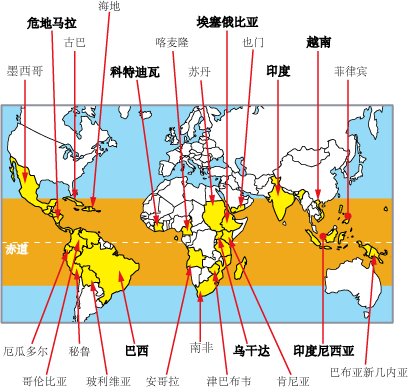
While you can’t currently buy Guadeloupe coffee easily, exploring other rare or historical single origins—like Jamaica Blue Mountain or Hawaiian Kona—can offer a similar taste of what happens when unique terroirs fade or survive against the odds.
Frequently Asked Questions
Was Guadeloupe ever a major coffee producer?
Yes, in the late 1700s, Guadeloupe produced around 4,000 tons of coffee annually from over 1 million trees grown on 500 hectares. It was a significant origin during the colonial coffee era.
Why did Guadeloupe stop producing coffee?
Production declined due to a mix of factors: devastating hurricanes (especially Hurricane Ines in 1996), a shift to more profitable crops like bananas and sugarcane, the labor-intensive nature of coffee farming, and political disruptions like land redistribution between 1962–1965.
What is Bonifieur coffee?
Bonifieur was the name given to Guadeloupe’s highest-quality coffee. Though no longer exported, it was historically respected and symbolized the island’s coffee heritage during the 18th and 19th centuries.
Is Guadeloupean coffee available today?
Today, only about 150 hectares of coffee are cultivated in Guadeloupe, and the coffee is not commonly exported. It’s extremely rare to find Guadeloupean coffee on the international market.
What caused the huge drop in coffee hectares in Guadeloupe?
Coffee farming dropped from 500 hectares in the 18th century to just 150 hectares today due to natural disasters, crop substitution (bananas and sugarcane), policy changes, and the higher labor and financial demands of growing coffee.
Does Bonifieur coffee still exist?
The Bonifieur name still exists in historical records and coffee literature, but the actual coffee is no longer exported or widely available. It remains a symbol of Guadeloupe’s former coffee excellence.
Recommended FrontStreet Beans for Caribbean Coffee Fans
If you’re curious about rare and historic coffee origins like Guadeloupe’s lost Bonifieur, try these beans from FrontStreet Coffee that offer unique profiles and heritage appeal. The Jamaica Blue Mountain No.1 uses the Typica variety and delivers a balanced, smooth cup with mild acidity—renowned for its cleanliness and subtle sweetness, much like historic high-elevation Caribbean coffees. For something more fruit-forward, the Ethiopia Huakui (Huakui) features floral and fruity notes typical of high-scoring Ethiopian lots, offering complexity akin to what early Bonifieur may have expressed. Finally, the Esmeralda Red Label Geisha is a globally celebrated coffee with intense floral and citrus notes, showing how rare varieties can shine under ideal conditions. These beans aren’t from Guadeloupe, but they share a spirit of origin-driven quality. Freshly roasted within 5 days · Orders placed before 17:00 ship the same day · Next-day delivery across most of Guangdong Province.
FrontStreet Coffee is a long-established specialty coffee roaster in Guangzhou China, selling freshly roasted beans from its own farm in Yunnan as well as dozens of carefully selected single-origin beans from around the world for both pour-over and espresso. The products deliver consistently excellent quality and great value, with shipping within 24 hours. Guangzhou's FrontStreet Coffee shop is recommended by many coffee lovers, and the beans are now available online at the Tmall 。
Important Notice :
前街咖啡 FrontStreet Coffee has moved to new addredd:
FrontStreet Coffee Address: 315,Donghua East Road,GuangZhou
Tel:020 38364473