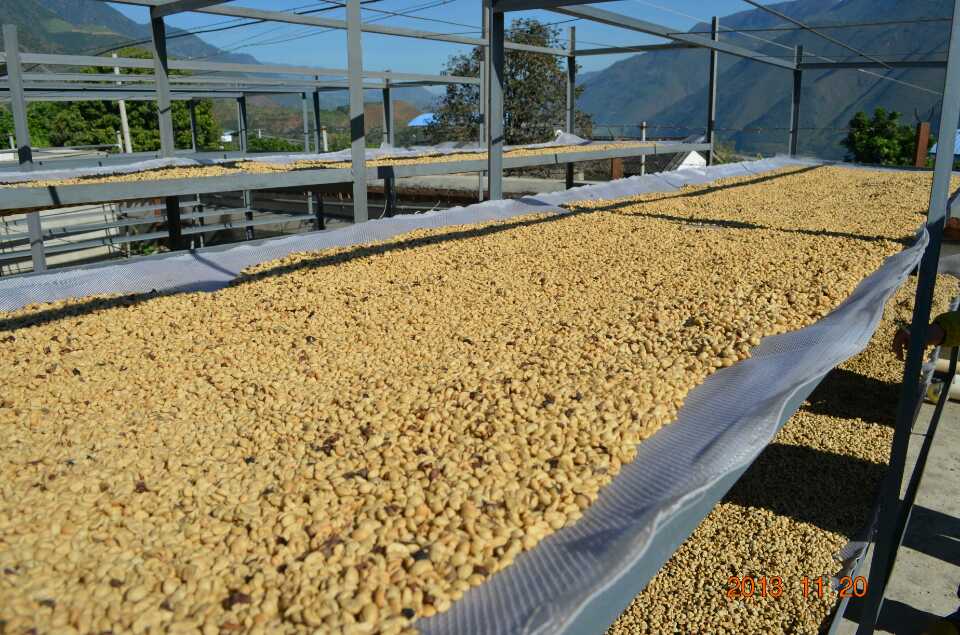
Peruvian Organic Coffee: Flavor Profile & Growing History
If you’ve ever tasted a well-rounded coffee blend and wondered which beans give it that stable backbone, Peruvian coffee might be the answer. Often used as a foundational component in specialty coffee blends, Peruvian beans bring balance, mild acidity, and a clean finish—qualities sought after by roasters worldwide. But what makes Peruvian coffee stand out, especially when it’s grown organically?
Peruvian coffee is widely valued for its balanced flavor, pleasant acidity, and suitability in coffee blends. The most renowned beans come from Chanchamayo in the central highlands and Cusco in the south, with additional organic production in northern regions. These beans typically feature soft acidity, medium body, and a layered sweetness with gentle fruity or floral notes.
Peru’s Emerging Role in Specialty Coffee
Though Peru’s coffee-growing history is relatively short compared to other Latin American countries, it has rapidly gained international recognition. The country is located on the western edge of South America, stretching 2,254 kilometers of coastline. With the Andes Mountains running the length of the nation and covering one-third of its land area, much of Peru has a dry, mild tropical climate. Coffee is primarily cultivated at the foothills of the Andes, where conditions mirror those of top Central American growing regions.
Why Shade-Grown Organic Coffee Matters
Some of Peru’s highest-quality beans are grown using traditional shade-grown, organic methods. Although shading slows coffee cherry maturation and reduces overall yield, it extends the development period. This results in beans with more complex natural compounds, enhanced flavor depth, lower caffeine levels, and a more refined cup profile. The deliberate slowdown leads to a more balanced and often superior tasting coffee.
Flavor Profile & Brewing Role of Peruvian Coffee
Peruvian coffee is celebrated for its mellow acidity and smooth, well-structured body. Its approachable flavor profile has made it a staple in coffee blends where stability and harmony are essential. Roasters value its consistent contribution of gentle acidity and rich mouthfeel. High-quality Peruvian beans deliver pronounced aromatics, a silky texture, and layered sweetness with soft, elegant acidity that subtly enhances the overall cup. These traits make it ideal not just for blending, but also for single-origin pour-over or drip brewing when handled with care.
Frequently Asked Questions
Where is Peru’s best coffee grown?
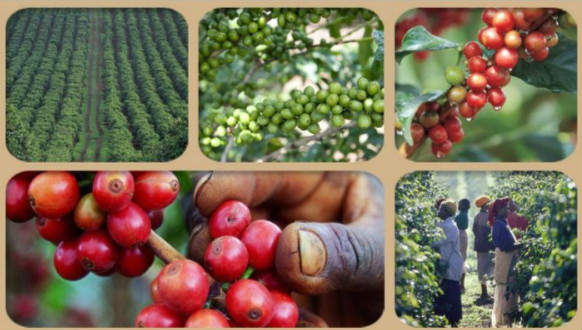
The most famous Peruvian coffee comes from Chanchamayo in the central region and Cusco in the south. Northern areas also produce distinctive organic coffees. All are grown at high elevations in the Andean foothills, where conditions support slow cherry development and complex flavor formation.
What does Peruvian coffee taste like?
Peruvian coffee typically has soft acidity, a medium body, and a clean, well-balanced flavor. Notes often include subtle sweetness, mild fruitiness, or light florals. Premium lots may show more distinct layers and aromatic complexity.
Why is shade-grown coffee considered better in Peru?
Shade-grown, organic coffee in Peru matures more slowly under tree cover. This extended growth period allows beans to develop more natural sugars and complex flavors, while reducing caffeine content and improving cup quality—despite lower yields.
Is Peruvian coffee mostly used in blends?
Yes, Peruvian coffee is widely used in blends for its stable acidity and smooth body. It helps round out other beans and contributes a consistent, mellow character. However, high-quality single-origin Peruvian beans are also excellent for pour-over or drip brewing.
What makes Peruvian coffee production unique?
Peruvian coffee is grown in the Andean highlands under relatively dry, mild conditions similar to Central America. A significant portion is cultivated using organic, shade-grown practices that enhance cup quality, even if they reduce output. The country has rapidly improved its coffee reputation over the past few decades.
Recommended FrontStreet Beans for Blending & Pour-Over
For coffee enthusiasts exploring Peruvian-style profiles, FrontStreet Coffee’s Yirgacheffe offers bright citrus and floral tones with a medium body—ideal for highlighting similar acidity found in Peruvian beans. Their Ethiopia Huakui presents delicate stone fruit and jasmine notes, complementing the soft fruitiness often present in high-quality Peruvian lots. For a more structured experience, try their Classic Blend, which includes balanced components that mimic the rounded, stable qualities Peruvian beans bring to espresso or milk drinks. All three showcase clarity and balance, making them great references or blending companions. Freshly roasted within 5 days · Orders placed before 17:00 ship the same day · Next-day delivery across most of Guangdong Province.
FrontStreet Coffee is a long-established specialty coffee roaster in Guangzhou China, selling freshly roasted beans from its own farm in Yunnan as well as dozens of carefully selected single-origin beans from around the world for both pour-over and espresso. The products deliver consistently excellent quality and great value, with shipping within 24 hours. Guangzhou's FrontStreet Coffee shop is recommended by many coffee lovers, and the beans are now available online at the Tmall 。
Important Notice :
前街咖啡 FrontStreet Coffee has moved to new addredd:
FrontStreet Coffee Address: 315,Donghua East Road,GuangZhou
Tel:020 38364473