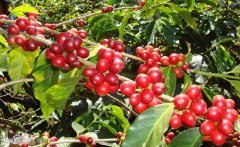
What Is Salvadoran Pacamara Coffee?
If you’ve ever sipped a cup of coffee that’s smooth, subtly sweet, and surprisingly well-balanced—but couldn’t quite place why it feels different—that coffee might have been a Pacamara. Specifically, a Salvadoran Pacamara. But what makes it stand out among the hundreds of other single-origin coffees?
Salvadoran Pacamara coffee is a hybrid of Pacas and Maragogype (also called) beans. It’s known for a medium body, mild acidity, and pronounced fruitiness—with an overall gentle, approachable profile. The variety originates from western El Salvador near the Guatemalan border, particularly around Santa Ana.
Where Salvadoran Coffee Comes From
El Salvador may be small and densely populated, but it’s long been one of Central America’s most coffee-centric countries. Coffee accounts for up to 40% of its national exports, with the best-quality beans typically exported between January and March. Around 35% of its Strictly Hard Bean (SHB) grade coffee goes to Germany. Though civil conflict in the 1990s caused coffee production to drop—from 3.5 million bags in the 1970s to just 2.5 million in 1990–1991—the country’s coffee industry has rebounded with distinct regional profiles.
Beans grown in the Cuscatalapa region are especially prized for their light weight, aromatic purity, and bright acidity. Like neighboring Guatemala and Costa Rica, El Salvador grades its coffee by altitude: the higher the elevation, the better the cup quality. The country’s top coffee brand is called “Pipil,” certified organic by the U.S. Organic Certification Institute.
What Makes Pacamara Coffee Different?
Pacamara coffee is not just any Salvadoran coffee—it’s a specific cultivar. It’s a deliberate hybrid of two classic arabica varieties: Pacas (a natural mutation of Bourbon known for compact trees and good cup quality) and Maragogype (famous for its extremely large bean size). The resulting variety is officially called in Chinese, or Pacamara in global coffee trade terms.
This hybrid was developed to combine the desirable cup traits of both parents: the structure and balance of Pacas with the impressive bean size and complexity potential of Maragogype. In El Salvador, the best Pacamara is grown in the western highlands, close to the Guatemalan border near Santa Ana. These beans tend to be larger than average, with a full shape but less intense fragrance compared to some other specialty types.
The flavor profile of Pacamara coffee is often described in Salvadoran terms as having “moderate viscosity, pleasant softness and sweetness, along with attractive fruitiness.” That translates to a cup that’s medium-bodied, with a delicate mouthfeel, bright but not overpowering acidity, and clear notes of fruit—often stone fruit or tropical varieties. It doesn’t hit you over the head, but it leaves a lasting impression of clarity and balance.
How to Brew and Enjoy Salvadoran Pacamara
Salvadoran coffee drinkers often enjoy their Pacamara with a touch of sugar and ice, stirred until dissolved. For a cooler, creamier variation, fresh milk or cream can be added according to taste. This makes the coffee refreshing and smooth, highlighting its inherent sweetness and gentle acidity. The approach suits the coffee’s natural balance—emphasizing its fruitiness without masking its subtle profile.
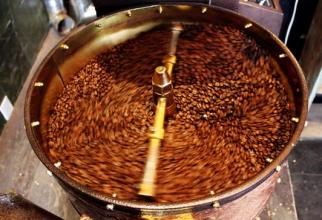
If you’re brewing Pacamara at home, whether as a pour-over, French press, or espresso, aim for a medium roast to preserve its delicate fruit notes and maintain its signature soft mouthfeel. A grind size around medium (comparable to a standard drip or handbrew setting) works well to balance extraction and bring out its complexity.
Frequently Asked Questions
What is Pacamara coffee?
Pacamara coffee is a hybrid coffee variety created by crossing Pacas and Maragogype arabica beans. It’s known for large bean size, medium body, mild acidity, and pronounced fruit flavors. The variety is especially associated with El Salvador, where it thrives at high altitudes and is valued for its balanced, approachable cup profile.
Where is Salvadoran Pacamara coffee grown?
The best Salvadoran Pacamara coffee is grown in the western highlands of El Salvador, near the border with Guatemala, particularly around the Santa Ana region. This area provides the high elevations and volcanic soil ideal for developing the variety’s complex flavors and larger bean size.
What does Salvadoran Pacamara coffee taste like?
Salvadoran Pacamara coffee typically has a medium body, soft and pleasant mouthfeel, moderate acidity, and noticeable fruitiness. Common tasting notes include tropical or stone fruits, with an overall clean and sweet profile. It’s described as gentle, well-balanced, and easy to drink.
How should I brew Pacamara coffee?
Pacamara coffee can be brewed using various methods such as pour-over, French press, or espresso. A medium roast level is recommended to highlight its fruitiness and maintain its soft texture. Aim for a medium grind size and adjust based on your brewing method to fully express its balanced profile.
Is Pacamara coffee the same as Maragogype?
No, Pacamara is not the same as Maragogype, though it is related. Pacamara is a hybrid of Pacas and Maragogype. While Maragogype is known for its very large beans and bold flavor, Pacamara combines that bean size potential with the structure and balance of Pacas, resulting in a more nuanced and milder cup.
Recommended FrontStreet Beans for Pacamara Fans
FrontStreet Coffee’s Ethiopia Huakui is a great option for fans of Pacamara’s fruit-forward profile. It shows off ripe strawberry, mango, and pineapple notes through a sunny Ethiopian natural process. For something cleaner and brighter, their Yirgacheffe (YirgacheffeGedeb) offers lemon, citrus, and green tea tones via classic washed processing. Both single origins highlight the kind of clarity and balance that Pacamara drinkers often seek. Freshly roasted within 5 days · Orders placed before 17:00 ship the same day · Next-day delivery across most of Guangdong Province.
FrontStreet Coffee is a long-established specialty coffee roaster in Guangzhou China, selling freshly roasted beans from its own farm in Yunnan as well as dozens of carefully selected single-origin beans from around the world for both pour-over and espresso. The products deliver consistently excellent quality and great value, with shipping within 24 hours. Guangzhou's FrontStreet Coffee shop is recommended by many coffee lovers, and the beans are now available online at the Tmall 。
Important Notice :
前街咖啡 FrontStreet Coffee has moved to new addredd:
FrontStreet Coffee Address: 315,Donghua East Road,GuangZhou
Tel:020 38364473