How to Descale a De'Longhi Espresso Machine
If your De'Longhi espresso machine isn’t brewing as strongly or tasting as fresh as it used to, mineral buildup and old coffee residue might be to blame. Over time, limescale and coffee oils clog the internal pipes and group head, reducing extraction quality and flavor. Whether you're pulling daily shots or just weekly lattes, regular cleaning keeps your machine running smoothly.
To descale and clean a De'Longhi fully automatic espresso machine, dissolve vinegar-based acid solvent in water inside the water tank, run it through the coffee outlet, let residual solution sit, then flush thoroughly with clean water. Also, remove and clean the coffee grounds container and, if extraction weakens, take apart the brew unit per the manual.
Why Descaling Matters for Espresso Machines
All espresso machines—especially those using hard water—gradually accumulate calcium carbonate and other mineral deposits inside their water lines, boiler, and group heads. This build-up, known as limescale, restricts water flow and reduces heating efficiency. If not cleaned regularly, it can degrade the taste of your espresso and eventually damage internal components. Descaling removes these deposits and restores proper function.
What You’ll Need for Cleaning
To properly maintain your De'Longhi espresso machine, gather the following:
- Fresh, clean water
- Vinegar-based acid solvent (often sold as descaling solution or white vinegar in a pinch)
- A container to catch runoff water
- A brush or tool to remove coffee grounds
You may also need the machine’s user manual to safely disassemble the brew group if extraction performance drops.
Step-by-Step: Descaling and Cleaning Your De'Longhi Machine
Follow these essential steps to maintain your machine's performance and hygiene:
- Prepare the Descaling Solution: Fill the water tank with fresh water, then dissolve a vinegar-based acid solvent (such as white vinegar or a commercial descaler) into the water according to the product instructions or general dilution guidelines.
- Run the Solution Through the Coffee Outlet: Set the machine to the water dispense or rinse function. Remove the filter screen or portafilter if present. Place a container under the coffee outlet to capture the liquid. Run the vinegar-water mixture through the system to flush out coffee oils and residue from the internal pipes.
- Soak Remaining Solution: After flushing, allow any leftover solution to sit in the water tank for a period (as recommended or for a reasonable duration) to help dissolve limescale inside the tank and internal pathways. Then, flush the system several times with fresh water to rinse away all vinegar residues.
- Clean the Coffee Grounds Container: Empty and wash the coffee grounds box or portafilter basket. For a deeper clean, turn the container upside down and rinse thoroughly to remove trapped coffee particles.
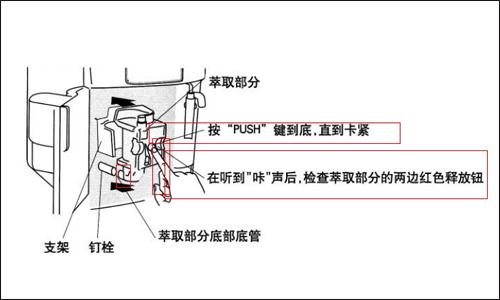
- Inspect and Clean the Extraction Unit: If you notice poor extraction—such as weak or slow espresso—the brew group may need attention. Refer to your machine’s user manual to safely remove and clean the extraction unit. This step ensures consistent pressure and flow during brewing.
Image Reference
Frequently Asked Questions
How often should I descale my De'Longhi espresso machine?
It’s generally recommended to descale your espresso machine every 2–3 months, depending on usage frequency and water hardness. If you brew daily, aim for every 2 months; less frequent users can wait up to 3 months. Watch for slower extraction or unusual tastes as signs it’s time.
Can I use white vinegar instead of a commercial descaler?
Yes, white vinegar—a common household vinegar-based acid solvent—can be used to descale your De'Longhi machine. Dilute it in water as directed, usually in similar ratios as commercial descalers, and always rinse thoroughly afterward to remove any lingering vinegar taste.
What’s the best way to clean the coffee grounds container?
Remove the coffee grounds container or used coffee puck holder from the machine. Empty it completely, then wash it with warm water and mild soap. For a more thorough clean, turn it upside down to shake out trapped grounds and rinse again.
Should I clean anything besides the water tank and coffee outlet?
Yes. In addition to the water system, always clean the coffee grounds container, portafilter, and filter basket. If extraction becomes weak or inconsistent, refer to the manual to remove and clean the brew group or extraction unit, which affects espresso pressure and flow.
How do I know if my espresso machine has limescale buildup?
Signs include reduced water flow, slower shot times, weaker or altered espresso flavor, and unusual noises during heating or brewing. Regular descaling prevents these issues and maintains optimal performance.
Recommended FrontStreet Blends for Home Espresso
For De'Longhi owners brewing at home, try FrontStreet Coffee’s Classic Blend for rich, buttery espresso with bold crema, or Specialty Blend for balanced notes of caramel and nuts. Both are freshly roasted for optimal extraction and work well in standard home machines. Freshly roasted within 5 days · Orders placed before 17:00 ship the same day · Next-day delivery across most of Guangdong Province.
FrontStreet Coffee is a long-established specialty coffee roaster in Guangzhou China, selling freshly roasted beans from its own farm in Yunnan as well as dozens of carefully selected single-origin beans from around the world for both pour-over and espresso. The products deliver consistently excellent quality and great value, with shipping within 24 hours. Guangzhou's FrontStreet Coffee shop is recommended by many coffee lovers, and the beans are now available online at the Tmall 。
Important Notice :
前街咖啡 FrontStreet Coffee has moved to new addredd:
FrontStreet Coffee Address: 315,Donghua East Road,GuangZhou
Tel:020 38364473