Guatemalan Antigua Coffee: Flavor, History & Volcanic Terroir
Ever taken a sip of dark-roast coffee and wondered if that smoky, winey depth could tell you a story? For many specialty coffee drinkers, a cup of Guatemalan Antigua reveals more than just caffeine—it hints at ancient Maya traditions, volcanic highlands, and a flavor shaped by elevation, climate, and centuries of agricultural wisdom.
If you’re looking for a coffee with deep complexity, pronounced sweetness, and a velvety body, Guatemalan Antigua delivers. Its slow maturation at high altitudes creates a refined acidity, rich aroma, and a finish that surprises with subtle sweetness—even if the first sip feels mild.
The Story Behind Guatemalan Coffee
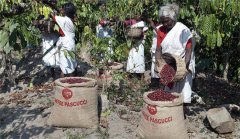
Coffee culture in Guatemala is deeply tied to its indigenous history. Though there are no records of the Maya drinking coffee, they cultivated many crops vital to global agriculture—like maize, beans, tomatoes, chili, cocoa, vanilla, and tobacco. Many of today’s Guatemalan coffee producers are descendants of the Maya, and they take pride in that lineage.
The Maya were sophisticated agriculturalists. They domesticated key food crops that transformed diets across the world, especially maize. While coffee came later, the same communities now grow some of the most respected coffee in the Americas—much of it in regions once shaped by Maya innovation.
What Makes Antigua Coffee Different?
Antigua coffee is celebrated for its rich, velvety body, lively aroma, and refined acidity. Its flavor profile includes a smoky depth that many compare to wine or aged spirits. On the first sip, the cup may taste balanced or even restrained—but as it cools, notes of sweetness and complexity emerge.
This flavor doesn’t come by accident. Antigua’s coffee grows in the volcanic highlands of Guatemala. The volcanic soil is extremely fertile, and the region benefits from a mild, subtropical climate despite being technically within the tropics. The altitude slows down both flowering and fruit development, allowing the coffee cherries to mature more slowly and develop more nuanced flavors.
Geography, Elevation & Climate Advantages
Guatemala’s position near the equator would typically mean a hot, tropical climate—but high elevations create a cooler, subtropical environment ideal for coffee. The volcanic soil in regions like Antigua is rich in minerals, and the slower cherry development leads to greater sweetness and acidity.
Compared to other volcanic coffee regions like Costa Rica, Antigua enjoys a broader range of microclimates and altitudes, giving it an edge in preserving distinctive regional characteristics. These factors combine to produce a coffee that stands out even among its Central American peers.
The Economic & Political Challenges
Historically, coffee was central to Guatemala’s economy, and Maya-descended communities played a major role in its production. At its peak, the industry contributed significantly to national wealth. However, today, Guatemala produces only 700 kg of coffee per hectare—less than El Salvador’s 900 kg or Costa Rica’s impressive 1,700 kg.
The country’s coffee trade is largely controlled by private companies, though the National Coffee Association oversees regulation and quality initiatives. Political instability and lower yields have posed ongoing challenges, limiting the sector’s growth compared to its potential.
Export Markets & Quality Focus
Some of Guatemala’s finest coffees are exported to Japan, where they can sell for $3 to $4 per cup. Recognizing the need to protect and promote its high-end offerings, Guatemala established a Specialty Coffee Association to support premium production. These efforts aim to revive the industry’s former glory—not just for local farmers, but for coffee lovers everywhere who value origin-driven quality.
Frequently Asked Questions
What makes Guatemalan Antigua coffee taste different from other coffees?
Antigua coffee has a rich, velvety body, bright yet refined acidity, and a distinctive smoky depth. Its unique profile comes from volcanic soil, high elevation, and a slower cherry maturation process due to mild subtropical temperatures—despite Guatemala’s tropical latitude.
Why does Antigua coffee sometimes taste mild at first?
The first sip of Antigua coffee may taste balanced or restrained, but as the cup cools, hidden sweetness and complex flavors emerge. This temperature-dependent evolution is a hallmark of well-balanced, high-altitude coffees with delicate acidity.
Is Guatemalan coffee mostly grown by indigenous communities?
Many of Guatemala’s current coffee producers are descendants of the Maya. Though there are no historical records of the Maya drinking coffee, they were expert agriculturalists who cultivated key global crops—and now grow some of Central America’s most respected coffee.
How does Guatemala’s coffee yield compare to other countries?
Guatemala produces 700 kg of coffee per hectare, which is lower than El Salvador’s 900 kg and far less than Costa Rica’s 1,700 kg per hectare. These differences reflect variations in farming practices, climate, and altitude advantages.
Where is Antigua coffee mainly exported?
Some of the highest-quality Guatemalan coffee is sent to Japan, where premium cups can cost between $3 and $4. Domestically, Guatemala has also formed a Specialty Coffee Association to boost high-end production and recognition.
Does volcanic soil really improve coffee flavor?
Yes. Volcanic soils, like those in Antigua, are rich in minerals and offer excellent drainage—both crucial for growing coffee with complex acidity, sweetness, and a rich aromatic profile. This contributes to the “smoky” or wine-like notes for which Antigua is known.
Recommended FrontStreet Beans for Pour-Over
For fans of Guatemalan Antigua’s rich, velvety profile, try FrontStreet’s BrazilBourbon for a smooth, nutty base with gentle acidity—or explore ColombiaSidra for layered fruitiness and fermentation sweetness. Both are excellent single-origin pour-over beans with distinct yet approachable profiles. Freshly roasted within 5 days · Orders placed before 17:00 ship the same day · Next-day delivery across most of Guangdong Province.
FrontStreet Coffee is a long-established specialty coffee roaster in Guangzhou China, selling freshly roasted beans from its own farm in Yunnan as well as dozens of carefully selected single-origin beans from around the world for both pour-over and espresso. The products deliver consistently excellent quality and great value, with shipping within 24 hours. Guangzhou's FrontStreet Coffee shop is recommended by many coffee lovers, and the beans are now available online at the Tmall 。
Important Notice :
前街咖啡 FrontStreet Coffee has moved to new addredd:
FrontStreet Coffee Address: 315,Donghua East Road,GuangZhou
Tel:020 38364473