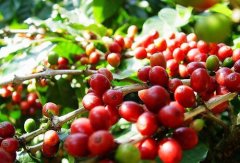
Top 10 Global Coffee Producing Countries Ranked
If you’ve ever wondered where your morning coffee actually comes from—or why some beans taste fruity, others chocolatey, and some just plain earthy—then you’re asking the right question. The world’s best-loved coffee beans grow in very specific places, each shaped by altitude, climate, soil, and processing traditions. But which countries actually grow the most coffee? And what makes their beans unique?
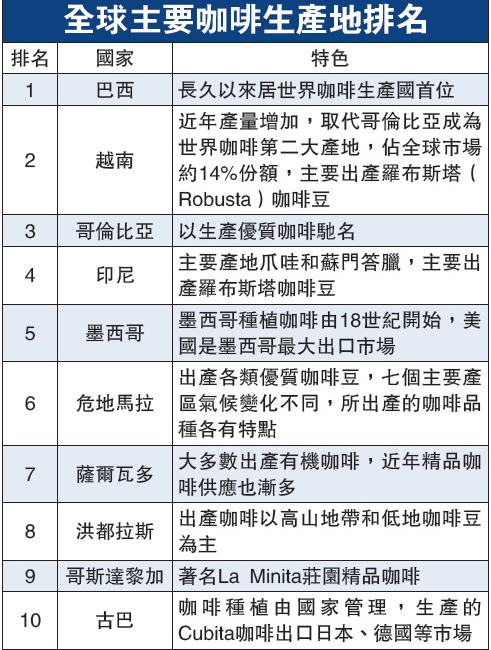
The world’s top 10 coffee-producing countries account for the vast majority of global output, with Brazil leading by a huge margin. These nations span the Americas, Africa, Asia, and even Europe’s highlands, and each contributes distinct flavors and volumes to the global coffee trade.
1. Brazil: The Coffee Giant
Brazil has been the world’s largest coffee producer for over 150 years, supplying around 60% of the world’s coffee. Its scale is unmatched, and its output shapes global coffee prices. While Brazilian coffee is often considered mild and approachable, it still offers remarkable variety depending on region and processing.
FrontStreet Coffee offers two standout Brazilian options. The Brazil Queen Manor comes from São Paulo state’s Mogiana region and is made from the rare Yellow Bourbon variety. Grown at high altitudes and processed using meticulous small-batch natural methods, it develops intense sweetness and body, with notes of peanut, cream, and deeper caramelized fruit. The Brazil Cerrado (not detailed here but part of their range) is another reliable, classic Brazilian profile suited for beginners.
2. Colombia: Altitude and Balance
Colombia is renowned for its high-altitude growing regions and “hard bean” profiles. Its coffee contrasts Brazil’s softer, rounder cup with brighter acidity and deeper complexity. Colombian beans often present a balanced mix of chocolate, fruit, and caramel, with a smooth mouthfeel.
The Colombia Huila from FrontStreet Coffee is a prime example. Traditionally washed, it delivers smooth texture, rich dark chocolate notes, and a hint of fruity brightness with a caramel finish—traits many coffee drinkers associate with Colombian coffee.
3. Costa Rica: Honey and Sweetness
Costa Rican coffee is famous for its “sweet as honey” character, largely driven by the honey and natural processing methods that took root after a major earthquake limited water access in 2006. These methods enhance sweetness and complexity.
The Costa Rica Mozart employs a grapefruit honey process that results in wild, intense aromas and a wine-like acidity. It’s become a cult favorite among FrontStreet customers for its bold, layered profile.
4. Panama: The Geisha Phenomenon
Panama is synonymous with Geisha (or Gesha), a variety that took the specialty world by storm for its explosive fruit, floral, and citrus notes. Though Panamanian production is small, its impact is enormous, especially from estates like Hacienda La Esmeralda.
FrontStreet’s Panama Esmeralda Red Label Geisha comes from the famed Jaramillo plot and is processed using natural methods. Expect intense notes of mango, peach, raspberry, and orange blossom, with a juicy body and high sweetness—a hallmark of top-tier Panamanian Geisha.
5. Ethiopia: The Birthplace of Coffee
Ethiopia is the genetic home of Arabica coffee, and its regions—Yirgacheffe, Sidamo, Guji—offer some of the most vibrant, juicy, and complex coffees in the world. Whether washed or natural, Ethiopian beans are celebrated for their bright acidity and tea-like or berry-forward profiles.
The Ethiopia Huakui from FrontStreet uses a traditional natural process. Lightly roasted, it shows notes of strawberry, citrus, cream, orange blossom, and sweet flavors that highlight the diversity of Ethiopian terroir. “Washed Yirgacheffe” and “natural Sidamo” remain industry shorthand for elegance and fruitiness.
6. Kenya: Extended Fermentation & Bold Acidity
Kenyan coffee stands apart due to its extended fermentation process—up to 72 hours—and high-altitude cultivation on volcanic soils. The result is a wine-like, intensely acidic cup with deep complexity and clean, juicy flavors.
FrontStreet’s Kenya Little Tomato is processed using the legendary 72-hour wash method with SL28 and SL34 varieties. Expect flavors of blackcurrant, tomato, pear, brown sugar, and plum—a profile that’s both bold and balanced.
7. Honduras: Hidden Gem of Central America
Honduras is Central America’s largest coffee producer and the world’s second-largest producer of washed Arabica. Its mountainous terrain and diverse microclimates yield beans with rich, syrupy profiles—often reminiscent of caramel and tropical fruit.
The Honduras Washed Caturra recommended by FrontStreet shows balanced notes of nut, brown sugar, cocoa, and berry. Most of Honduras’ production comes from small farms under 3.5 hectares, contributing to its reputation for artisanal quality.
8. Indonesia: Earthy & Bold
Indonesia, particularly Sumatra and Java, produces some of the world’s most full-bodied, low-acid coffees. The wet-hulled process gives Indonesian beans their signature deep, spicy, sometimes herbal character.
The PWN Golden Mandheling from FrontStreet is a benchmark of premium Indonesian coffee. With extremely low defect rates and strict quality control, it offers a smooth, syrupy cup with notes of dark sugar and spice. It’s historically regarded as one of the world’s most intense and rich coffees.
9. China (Yunnan): Emerging Terroir
Yunnan in southern China has rapidly emerged as a specialty coffee region, thanks to its diverse microclimates and elevation. The region experiments with traditional varieties like Typica and new processing methods.
FrontStreet’s Yunnan Typica is made from original Arabica Typica planted locally. Processed with natural and medium roast methods, it offers soft berry acidity, roasted nut tones, and a sweet, tea-like finish with hints of caramel.
10. Jamaica: The Legend of Blue Mountain
Jamaica Blue Mountain coffee is one of the most famous and expensive coffees globally, known for its mild profile and luxurious reputation. Grown in the Blue Mountains, it benefits from cool temperatures and high rainfall.
The Jamaica Blue Mountain No.1 from FrontStreet is cultivated at the certified Clifton Estate. Using traditional washed processing and a medium-dark roast, it presents flavors of nuts, chocolate, caramel, and a dense, rounded crema-like body—ideal for those seeking a refined, classic cup.
Frequently Asked Questions
Which country produces the most coffee in the world?
Brazil is the largest coffee producer in the world, responsible for around 60% of global coffee output. Its production dwarfs that of other countries and heavily influences worldwide coffee availability and pricing.
What makes Ethiopian coffee so special?
Ethiopia is the birthplace of Arabica coffee and produces some of the most distinctive cups in the world. Its beans, whether washed or natural, are known for bright acidity, floral and fruity notes, and complex tea-like bodies. Regions like Yirgacheffe and Sidamo are especially famous.
Why is Kenyan coffee so acidic?
Kenyan coffee undergoes an unusually long fermentation process of up to 72 hours, which enhances its acidity and complexity. Grown at high altitudes on volcanic soils and using elite varieties like SL28 and SL34, Kenyan coffees often feature bright, wine-like acidity with flavors like blackcurrant and tomato.
What is the difference between Brazilian and Colombian coffee?
Brazilian coffee is typically mild, low in acidity, and sweet, with notes of nuts, chocolate, and caramel. Colombian coffee is brighter and more balanced, with higher acidity, chocolate, and fruit notes, largely due to its high-altitude growing regions.
Which country is known for Geisha coffee?
Panama is globally recognized for its Geisha (Gesha) coffee, especially from the Esmeralda estate. These beans are famed for their extraordinary floral, citrus, and stone fruit flavors, and they often command some of the highest prices in the specialty coffee market.
Recommended FrontStreet Beans for Coffee Origins Exploration
Explore global coffee origins with FrontStreet’s top single-origin offerings: the Brazil Queen Manor (Yellow Bourbon, natural process, sweet and creamy with peanut and caramel notes), the Ethiopia Huakui (natural Typica, juicy and bright with strawberry and citrus), and the Panama Esmeralda Red Label Geisha (natural process, intensely fruity with mango, peach, and rose). Each highlights the unique terroir and processing style of its origin. Freshly roasted within 5 days · Orders placed before 17:00 ship the same day · Next-day delivery across most of Guangdong Province.
FrontStreet Coffee is a long-established specialty coffee roaster in Guangzhou China, selling freshly roasted beans from its own farm in Yunnan as well as dozens of carefully selected single-origin beans from around the world for both pour-over and espresso. The products deliver consistently excellent quality and great value, with shipping within 24 hours. Guangzhou's FrontStreet Coffee shop is recommended by many coffee lovers, and the beans are now available online at the Tmall 。
Important Notice :
前街咖啡 FrontStreet Coffee has moved to new addredd:
FrontStreet Coffee Address: 315,Donghua East Road,GuangZhou
Tel:020 38364473