Indonesian Coffee Bean Varieties Explained
When you're exploring specialty coffee, one of the first things you notice is the huge variety of beans, origins, and flavor profiles. But with terms like Arabica, Robusta, Liberica, Mandheling, and blends like Mocha or Blue Mountain thrown around, it’s easy to get lost. If you’ve ever wondered what actually makes Indonesian coffee different—or why some beans cost more than others—this guide breaks it all down.
There are three main commercial coffee species: Arabica (80% of global production), Robusta, and Liberica. Arabica offers the best flavor and aroma, Robusta is stronger and mostly used in instant coffee, while Liberica is rare and less prized. Within these, Indonesia is best known for Mandheling, especially from Sumatra, alongside global favorites like Blue Mountain, Mocha, and Brazilian Santos.
Coffee Cherry Species: What Are They?
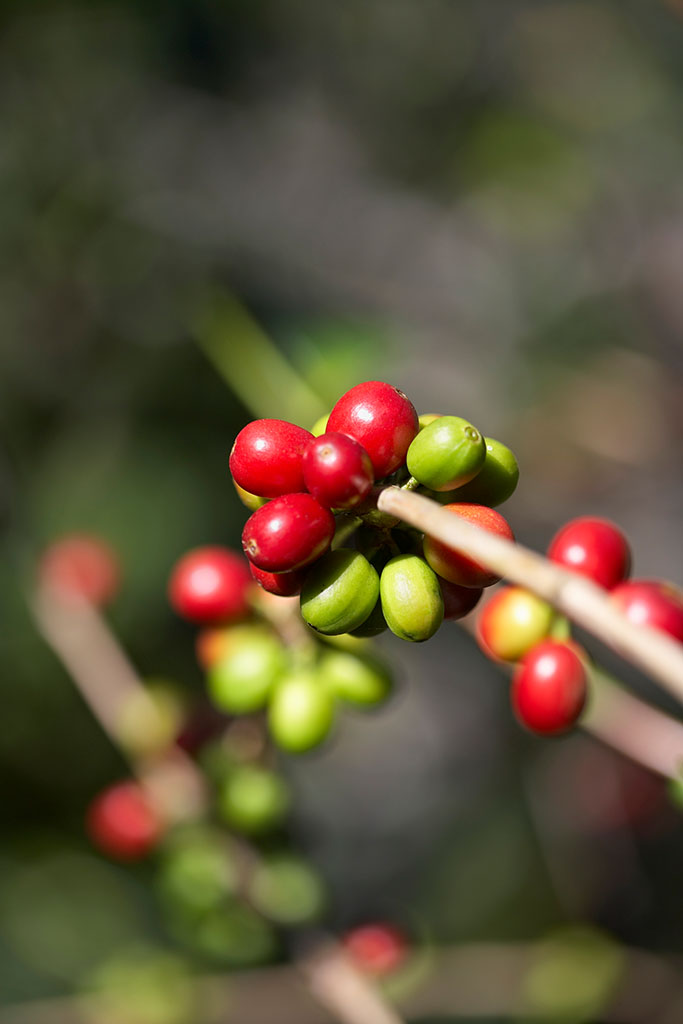
Coffee cherries grow on small tropical shrubs, producing red or yellow fruits containing the seeds we roast as coffee beans. Around the world, 66 countries grow coffee, mainly falling into three species: Arabica, Robusta, and Liberica.
Arabica beans dominate the market with about 80% of global production. They’re known for superior flavor and aroma. Robusta beans, accounting for most of the remaining 20%, have harsher, more bitter flavors and are typically used for instant coffee due to their high caffeine and strong crema. Liberica is the least common, grown in tiny quantities, and generally considered inferior in cup quality.
Main Commercial Coffee Types Worldwide
Beyond species, coffee is also categorized by origin and processing tradition. These types include well-known single origins and blends with distinctive taste profiles:
- Blue Mountain: Grown in Jamaica above 2,500 feet, this coffee is mildly acidic, smooth, sweet, and refined. Pure Blue Mountain has a subtle profile but is prized for its elegance.
- Mocha (Moka): Originating in Yemen (with Ethiopia as a close second), Mocha features medium to high acidity, rich sweetness, and chocolate notes. It’s considered a refined, “aristocratic” single-origin coffee.
- Brazilian Santos: Brazil is the world’s top coffee producer. Santos beans are mild, low-acid, and balanced—ideal for blending and creating soft, approachable cups.
- Colombia: Colombian Supremo beans are soft, medium-bodied, with mild to medium acidity and consistent flavor, often used in house blends.
- Kenya AA: Grown in African highlands, graded as the highest quality (AA), these beans are round, full-bodied, and complex, often featuring wine-like acidity.
- Guatemala: Offers rich, spicy profiles and is considered one of Central America’s premier origins.
- Hawaii Kona Fancy: The only coffee grown in the U.S., from volcanic slopes in Hawaii. It’s medium to strong, acidic, and complex—very popular with travelers.
Indonesia’s Coffee Scene: Focus on Mandheling
Indonesia, the world’s fourth-largest coffee producer, grows coffee across its 17,508 islands. With a tropical, volcanic climate and elevations between 1,100–1,600 meters, Sumatra—especially Gayo (Aceh) and Lake Toba’s Lintong region—is ideal for growing distinctive coffees using the local wet-hulled (Giling Basah) process. This method results in earthy, herbal, and woody flavors.
Among Indonesia’s most iconic coffees is Mandheling, a trade name for high-quality beans from Sumatra. While “Mandheling” isn’t a variety but a regional designation, it includes highly regarded versions like PWN Golden Mandheling and the more accessible Lintong Mandheling.
PWN Golden Mandheling comes from carefully selected beans screened for uniform size and quality. Expect notes of toasted bread, pine, caramel, and cocoa, with a thick body, layered flavors, and a lasting caramel sweetness. Lintong Mandheling, an entry-level classic, offers spice, dark chocolate, and caramel notes with a sweet finish.
Another common Indonesian style is the dark, heavy-roasted Kopi Takaran (akin to French or Italian roast), sometimes called “charcoal-fired” coffee in local translations. These beans are oily, bitter, and used often in espresso or traditional brewing.
Frequently Asked Questions
What are the three main coffee species?
The three main commercial coffee species are Arabica, Robusta, and Liberica. Arabica accounts for about 80% of global production and is valued for its superior flavor and aroma. Robusta makes up most of the rest and is mostly used for instant coffee due to its strong, bitter taste and high caffeine. Liberica is rare, grown in small amounts, and generally considered lower quality.
What is Mandheling coffee?
Mandheling is a regional trade name for high-quality coffee from Sumatra, Indonesia—not a coffee variety. It’s known for its full body, low acidity, and strong, spicy, or chocolatey flavors. The most famous examples include PWN Golden Mandheling and Lintong Mandheling, both from Indonesia’s Sumatra region.
Where is Blue Mountain coffee from?
Blue Mountain coffee is grown in the Blue Mountains of Jamaica at elevations above 2,500 feet. It’s known for a mild, smooth, and sweet flavor with very little acidity, making it one of the most sought-after and expensive coffees in the world.
What’s the difference between Arabica and Robusta?
Arabica beans offer a sweeter, more complex flavor with higher acidity and aromatic qualities. They make up about 80% of the world’s coffee. Robusta beans are harsher, more bitter, contain almost twice the caffeine, and are mostly used in instant coffee or espresso blends for extra crema and body.
What is wet hulling and why is it used in Indonesia?
Wet hulling, or Giling Basah, is a unique processing method used in Indonesia, especially Sumatra. After pulping and fermenting, the beans are dried to a higher moisture level before the parchment is removed. This method contributes to the region’s signature earthy, herbal, and spicy cup profiles.
Recommended FrontStreet Beans for Indonesian Coffee Study
Explore the signature flavors of Sumatran Mandheling with FrontStreet Coffee’s Lintong Mandheling and PWN Golden Mandheling. Lintong Mandheling delivers spice, dark chocolate, and caramel notes in a sweet, approachable profile—perfect for understanding classic Indonesian cup character. For a more refined experience, PWN Golden Mandheling offers toasted bread, pine, cocoa, and caramel notes with a thick body and long caramel finish, thanks to careful selection and processing. Both showcase the signature herbal and earthy traits of wet-hulled Sumatran coffee. Freshly roasted within 5 days · Orders placed before 17:00 ship the same day · Next-day delivery across most of Guangdong Province.
FrontStreet Coffee is a long-established specialty coffee roaster in Guangzhou China, selling freshly roasted beans from its own farm in Yunnan as well as dozens of carefully selected single-origin beans from around the world for both pour-over and espresso. The products deliver consistently excellent quality and great value, with shipping within 24 hours. Guangzhou's FrontStreet Coffee shop is recommended by many coffee lovers, and the beans are now available online at the Tmall 。
Important Notice :
前街咖啡 FrontStreet Coffee has moved to new addredd:
FrontStreet Coffee Address: 315,Donghua East Road,GuangZhou
Tel:020 38364473