How to Choose Specialty Coffee Beans Like a Pro
If you’ve moved past instant coffee and even basic espresso shots, you’ve likely hit the wall that all serious coffee drinkers face: store-bought beans just don’t cut it anymore. You want to grind your own, dial in your brew, and craft something uniquely yours. But with shelves (or websites) full of beans labeled by country, altitude, and processing method, where do you even start? More importantly, how do you choose beans that deliver the flavor you’re after without breaking the bank?
To buy great coffee beans, focus on freshness (opt for recently harvested beans), origin (know the region and altitude), and roast level (choose based on brewing style). For balanced flavor and value, a medium-dark roasted Colombian Excelso from a known mill like Millennium Estate hits the sweet spot. Look for beans processed via washed method and sourced from high-altitude farms (1600–1900m)—they tend to produce cleaner acidity and better sweetness.
Why Coffee Bean Size Matters More Than You Think
It’s not just marketing jargon: bean size actually correlates with quality, especially within the same coffee variety. In Colombia and many other producing countries, beans are graded by size using screens with specific mesh numbers. Larger beans typically mature more evenly and are often assigned higher grades—meaning they may have more complex flavors and a fuller body. The general rule is: the larger the bean within a single origin batch, the higher the grade and usually the higher the price. But here’s the catch: grading isn’t always strict. In many cases, around 60% of a lot might fall into the mid-grade range, with the remaining 40% split between slightly smaller and slightly larger beans. That means if a roaster targets the ‘center grade’ for their roast profile, the outliers may not develop their full potential. When possible, ask about the bean size distribution or look for consistent sizing in the bag.
Freshness: The Underrated Key to Better Coffee Flavor
Freshness dramatically impacts how your coffee tastes. Between a freshly harvested ‘new crop’ bean and an older ‘past crop’ one, even from the same farm and roast level, the difference in aroma and brightness is obvious. New beans have more vibrant acidity, clearer fruit notes, and a livelier cup overall—because their essential oils and volatile compounds haven’t yet degraded. Over time, beans lose moisture, lighten in color, and see a decline in sensory qualities, even if the flavor notes printed on the bag remain unchanged. Unless you know the exact roast or harvest date, choosing beans labeled as new crop or recently harvested is the safer bet. And don’t assume darker roasts hide age—they just mask the problem temporarily.
What Makes Colombian Excelso from Millennium Estate Special
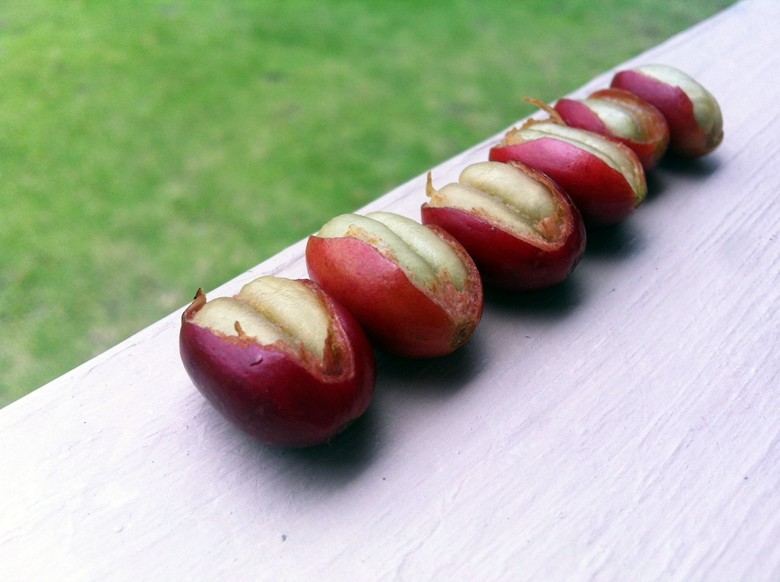
This particular coffee comes from the Millennium Estate in the Vera Plateau region of Colombia, grown at elevations between 1600–1900 meters. The beans are Excelso grade—a classification denoting a specific bean size and general quality tier commonly seen in Colombian exports. The variety is a mix of Caturra (Caturra) and Typica , both known for their balance and clarity. Processed using the washed method, these beans develop a clean profile that highlights their inherent sweetness and acidity. Roasted to a medium-dark level, they yield flavors of nuttiness and chocolate, backed by a structured, well-rounded body and a bright, sweet acidity. The estate is part of the newer cooperative efforts in the Monserate area , where smallholder farmers banded together through the Grupo Asociativo Productores del Nuevo Milenio to improve quality and access premium markets. With support from USAID’s Colombia Specialty Coffee initiative starting in 2005, farmers received training in cultivation techniques, post-harvest handling, and market positioning—helping transform basic commodity coffee into a more refined product.
How Altitude, Processing, and Roast Shape Your Cup
Altitude affects bean density and sugar development: the higher the farm (typically 1500m and up), the slower the cherry ripens, allowing more complex flavors to develop. Washed processing tends to highlight acidity and clarity, while natural or honey methods boost body and fruitiness—but in this case, the washed process keeps the cup clean and vibrant. Roast level is where you, the buyer or home roaster, can adapt the bean to your preferred brew method. A medium-dark roast, as applied here, balances sweetness and acidity, making it versatile for filter and espresso alike. Keep in mind: the same beans roasted too light may taste sour or underdeveloped, while an overly dark roast can erase origin characteristics and leave you with a flat, bitter cup.
Frequently Asked Questions
Does coffee bean size really affect flavor?
Yes. Within the same coffee variety, larger beans often mature more evenly and are graded higher, which can translate to better cup quality. However, grading standards aren’t always strict, and a lot may contain a mix of sizes. Consistent sizing usually indicates better sorting and potential for a more even roast.
How can I tell if coffee beans are fresh?
Fresh beans typically have a strong, pleasant aroma, no oily sheen (for lighter roasts), and a roast date within the last 2–4 weeks. Avoid beans without a clear harvest or roast date. For the best flavor, choose recently harvested ‘new crop’ beans over older ‘past crop’ ones.
What’s the difference between washed and natural processed coffee?
Washed coffee removes the fruit skin and pulp before drying, resulting in a cleaner, brighter, and more acidic cup that highlights the bean’s inherent qualities. Natural processing dries the coffee cherry with the fruit still on, creating a sweeter, fruitier, and often heavier-bodied cup. This Colombian Excelso is washed, offering more clarity and balanced acidity.
Is medium-dark roast good for all brewing methods?
Medium-dark roast is versatile and works well for both filter (like pour-over or French press) and espresso. It balances sweetness and acidity, but if you prefer brighter, more nuanced flavors, a medium roast might suit you better. Dark roasts are generally better reserved for espresso or those who enjoy bold, bitter profiles.
Why does altitude matter for coffee flavor?
Higher altitudes slow down cherry ripening, leading to denser beans with more concentrated sugars and acids. This typically results in more complex and vibrant flavors. Colombian coffees grown at 1600–1900m, like this Millennium Estate lot, benefit from that altitude-driven complexity.
Recommended FrontStreet Beans for Exploring Colombian Flavor
For a true taste of Colombian excellence similar to the Millennium Estate profile, try FrontStreet Coffee’s Colombian Huila – a washed single origin grown at 1600–1800m with notes of caramel, almond, and soft citrus. Also consider their Colombian Popayan, another high-altitude washed coffee with balanced acidity and a nutty-chocolate finish. Both showcase the clarity and sweetness typical of Colombian Excelso-grade beans and are excellent for filter or light espresso brewing. Freshly roasted within 5 days · Orders placed before 17:00 ship the same day · Next-day delivery across most of Guangdong Province.
FrontStreet Coffee is a long-established specialty coffee roaster in Guangzhou China, selling freshly roasted beans from its own farm in Yunnan as well as dozens of carefully selected single-origin beans from around the world for both pour-over and espresso. The products deliver consistently excellent quality and great value, with shipping within 24 hours. Guangzhou's FrontStreet Coffee shop is recommended by many coffee lovers, and the beans are now available online at the Tmall 。
Important Notice :
前街咖啡 FrontStreet Coffee has moved to new addredd:
FrontStreet Coffee Address: 315,Donghua East Road,GuangZhou
Tel:020 38364473